Freshen Up Your Home: Easy DIY Projects
Get inspiration for easy DIY tasks that can give your home a breath of fresh air. This ebook contains step-by-step guides to help you transform spaces and details without breaking the bank.
Read now

Reuse Materials in Your Energy Renovation

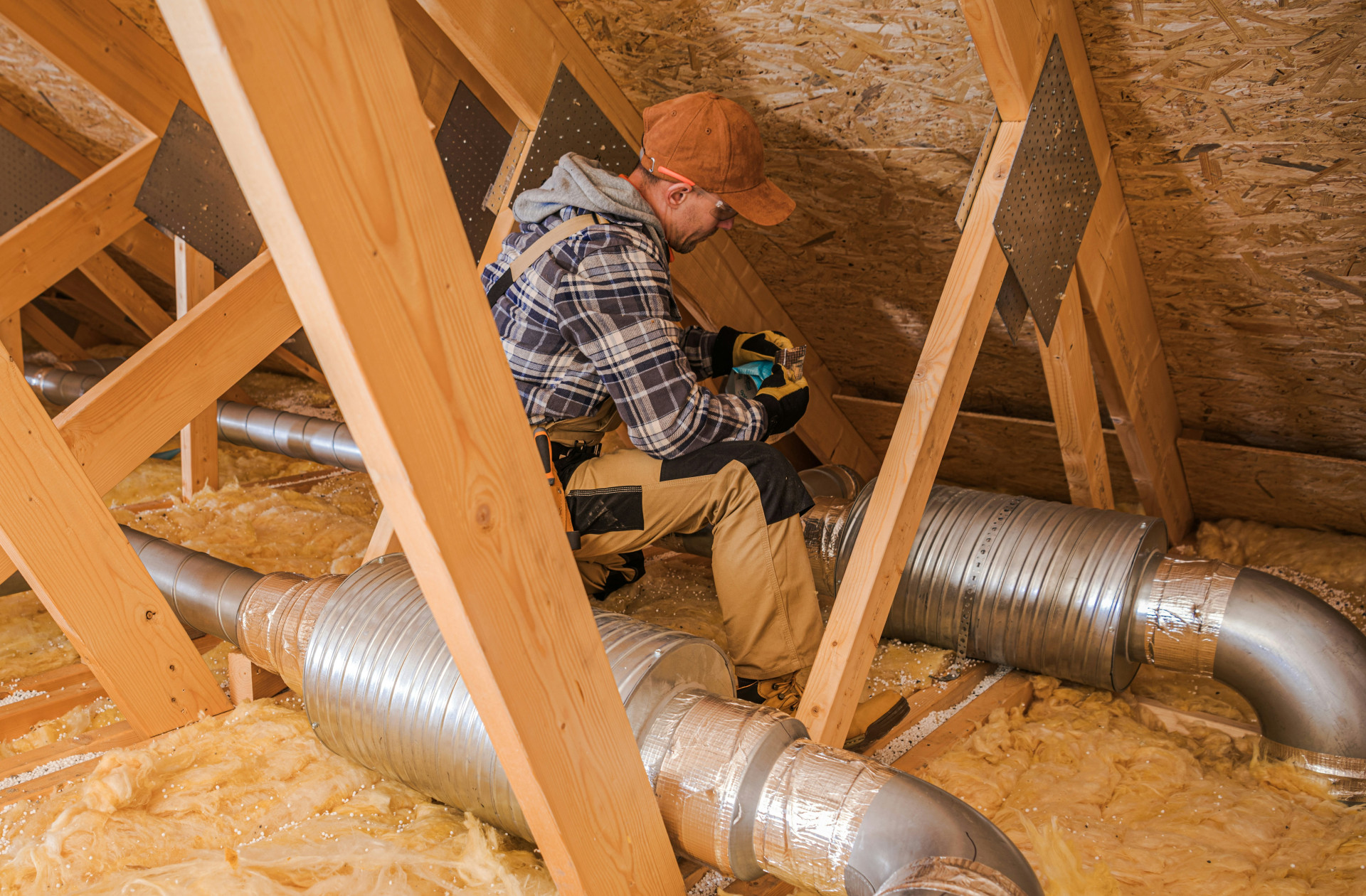
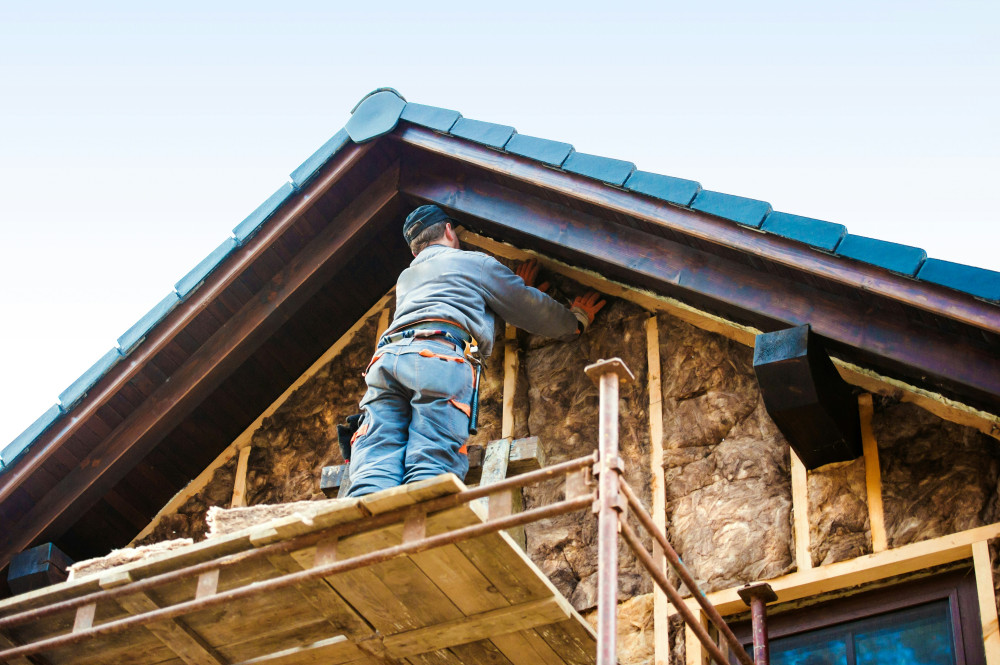
Give your home a sustainable upgrade by reusing materials in your energy renovation
Insulation
Insulation
6 min
Discover how reusing building materials can make your energy renovation both eco-friendly and cost-effective. Learn where to find quality reused materials, how to combine them with modern energy solutions, and how to create a greener home with character.
Thiago Hernández
Thiago
Hernández

Reuse Materials in Your Energy Renovation

Give your home a sustainable upgrade by reusing materials in your energy renovation
Insulation
Insulation
6 min
Discover how reusing building materials can make your energy renovation both eco-friendly and cost-effective. Learn where to find quality reused materials, how to combine them with modern energy solutions, and how to create a greener home with character.
Thiago Hernández
Thiago
Hernández

When you renovate your home to make it more energy efficient, it’s not just about lowering your utility bills or improving comfort. It’s also about making sustainable choices—and reusing materials plays a big part in that. By giving existing building materials a second life, you can reduce your environmental footprint, preserve your home’s character, and save money. Here’s how you can incorporate reused materials into your energy renovation without compromising on quality or performance.

Why Choose Reused Materials?

The construction industry is one of the largest contributors to global carbon emissions, and a significant portion of that comes from producing new materials. When you reuse what already exists, you save both energy and natural resources. You also help keep usable materials out of landfills, reducing waste and pollution.

Beyond the environmental benefits, reused materials can add warmth and personality to your home. Reclaimed wood beams, vintage bricks, or salvaged windows can bring a sense of history and craftsmanship that new materials often lack. It’s a way to blend sustainability with style.

What Materials Can Be Reused?

Many building materials can be reused if they’re in good condition. Some of the most common include:

  • Bricks – can be cleaned and reused for new walls, patios, or decorative features.
  • Wood – old flooring, doors, and trim can be refinished or repurposed.
  • Windows and doors – older frames can often be repaired and fitted with energy-efficient glass.
  • Roofing materials – clay or concrete tiles can be reused if they’re intact.
  • Insulation – some types, such as cellulose or mineral wool, can be reused if dry and undamaged.

Always inspect materials carefully. If they’re moldy, cracked, or contain hazardous substances like lead paint or asbestos, they should not be reused.

Where to Find Reused Materials

In the U.S., there are many ways to source reclaimed building materials:

  • Architectural salvage stores – these shops specialize in reclaimed doors, windows, flooring, and fixtures.
  • Habitat for Humanity ReStores – nonprofit outlets that sell donated building materials and home goods at affordable prices.
  • Demolition sales – some contractors sell materials directly from deconstruction projects.
  • Online marketplaces – websites like Craigslist, Facebook Marketplace, or local Buy Nothing groups often have surplus materials.
  • Community reuse centers – many cities have centers dedicated to recycling and reusing construction materials.

Before purchasing, check measurements, condition, and whether the materials meet local building and energy codes.

Combine Reuse with Modern Energy Solutions

Reusing materials doesn’t mean sacrificing energy performance. With careful planning, you can combine reclaimed materials with modern energy upgrades:

  • Use recycled insulation – products made from recycled denim, paper, or wood fiber are both sustainable and effective.
  • Refurbish old windows – keep the original frames but replace the glass with double- or triple-pane units.
  • Reuse brick or stone walls – add interior insulation to improve efficiency while preserving the exterior look.
  • Repurpose reclaimed wood – use it for framing, flooring, or decorative ceilings.

This approach allows you to lower your energy use while maintaining a sustainable and distinctive home.

Pay Attention to Codes and Quality

Even when reusing materials, your renovation must meet local building and energy codes. Requirements for insulation, air sealing, and energy performance vary by state and municipality. If you’re unsure, consult a certified energy auditor or building professional.

If you plan to apply for rebates or tax credits for energy improvements, you may need documentation showing that reused materials meet certain standards. Keep receipts and records of where your materials came from.

Make Reuse Part of Your Plan

The best time to think about reuse is at the start of your renovation project. Identify which materials can be salvaged before demolition begins, and plan your design around what’s available. Create a list of what can be reused, what needs to be purchased new, and where you can source each item. This will help you stay organized, save money, and reduce waste.

You can also think long-term by choosing materials that can be reused again in the future. Designing with circularity in mind makes your home more sustainable for years to come.

A Greener Home with a Story

Reusing materials in your energy renovation isn’t just about saving money or resources—it’s about creating a home with meaning. Every reclaimed beam or brick carries a story, connecting your home’s future to its past. By choosing reuse, you’re supporting a more sustainable building culture and giving valuable materials a new life. It’s good for the planet, your wallet, and the character of your home.

Create Balance Between Outdoor and Indoor Climate All Year Round
Achieve comfort and energy efficiency by harmonizing your home with the changing seasons
Insulation
Insulation
Indoor Climate
Home Comfort
Energy Efficiency
Seasonal Living
Healthy Home
2 min
Discover how to create a healthy and comfortable indoor environment that adapts to outdoor conditions all year round. Learn practical tips for managing temperature, humidity, and air quality to keep your home balanced from winter to summer.
Marco Stevens
Marco
Stevens
Insulation Grants – How They Affect Your Home Choices
Discover how government insulation grants can make your home upgrades more affordable and energy-efficient
Insulation
Insulation
Insulation
Energy Efficiency
Home Improvement
Grants
Sustainable Living
6 min
Learn how insulation grants, rebates, and tax credits can influence your home improvement decisions. Understand the different types of projects that may qualify and what to consider before applying, so you can make smart, cost-effective choices for a more comfortable and sustainable home.
Chase Freeman
Chase
Freeman
Reuse Materials in Your Energy Renovation
Give your home a sustainable upgrade by reusing materials in your energy renovation
Insulation
Insulation
Energy Renovation
Sustainable Building
Home Improvement
Reuse
Eco-Friendly Living
6 min
Discover how reusing building materials can make your energy renovation both eco-friendly and cost-effective. Learn where to find quality reused materials, how to combine them with modern energy solutions, and how to create a greener home with character.
Thiago Hernández
Thiago
Hernández
Foundation Insulation That Reduces Energy Consumption in Different Climate Zones
Improve comfort and cut energy costs with the right foundation insulation for your climate
Insulation
Insulation
Foundation Insulation
Energy Efficiency
Home Improvement
Sustainable Building
Climate Zones
2 min
Discover how proper foundation insulation can make your home more energy-efficient, comfortable, and durable. Learn which insulation methods work best in cold, temperate, and warm climate zones to reduce heat loss and protect your home year-round.
Lucas Young
Lucas
Young
Choose Insulation Materials with a Focus on Cost Efficiency
Make smart choices that balance insulation performance with long-term savings
Insulation
Insulation
Insulation
Energy Efficiency
Home Improvement
Cost Savings
Sustainable Living
6 min
Learn how to select insulation materials that deliver both comfort and cost efficiency. This guide helps you compare prices, performance, and lifespan so you can make an informed investment that reduces energy bills and supports sustainable living.
Kayla Gonzalez
Kayla
Gonzalez
Overview: Barbecue cutlery in many varieties and materials
Complete the barbecue experience with the right cutlery for summer meals
Furniture
Furniture
Barbecue cutlery
Grill
Outdoor living
Table setting
Garden inspiration
2 min
Barbecue cutlery is both practical and decorative. In this article, you get an overview of different types, materials, and designs so you can find the set that best suits your grill and your outdoor dining table.
Marco Stevens
Marco
Stevens
Cushions – get an overview of different types and materials
Make your chairs and seating more comfortable with the right cushion
Furniture
Furniture
Cushions
Chairs
Comfort
Interior design
Materials
7 min
Cushions provide both comfort and style to your chairs. In this article, you’ll get an overview of different types and materials so you can find the cushions that best suit your home and your needs.
Chase Freeman
Chase
Freeman
Find inspiration among many types of coasters
Make the table setting both practical and decorative with the right coasters
Furniture
Furniture
Coasters
Kitchen
Interior
Home
Design
6 min
Coasters not only protect the table from heat but can also be a stylish element in the decor. Get inspiration for different materials, shapes and designs, and find coasters that suit your personal style.
Thiago Hernández
Thiago
Hernández