Insulation Grants – How They Affect Your Home Choices

Insulation Grants – How They Affect Your Home Choices
When you think about improving your home’s energy efficiency, cost is often one of the biggest considerations. Insulation is one of the most effective ways to reduce heat loss and lower energy bills, but it can also be a significant investment. That’s why federal, state, and local programs across the U.S. offer various grants, rebates, and tax credits to make energy upgrades more affordable. But how do these incentives actually influence your home improvement decisions—and what should you know before getting started?
Why Insulation Grants Exist
The main goals behind insulation grants and incentives are twofold: to reduce greenhouse gas emissions and to help homeowners cut their energy costs. A well-insulated home requires less heating and cooling, which benefits both the environment and your wallet. To encourage these improvements, the U.S. government and many states have introduced financial incentives that make energy-efficient renovations more accessible.
Some of the most well-known programs include federal tax credits under the Inflation Reduction Act, state-level energy efficiency rebates, and utility company incentive programs. These can cover part of the cost of projects such as attic insulation, wall insulation, or replacing old windows and doors with energy-efficient models.
Læs også:
Types of Insulation Projects That May Qualify
Grants and rebates typically apply to projects that deliver measurable energy savings. Common examples include:
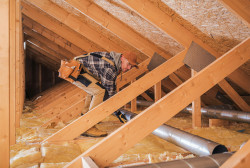
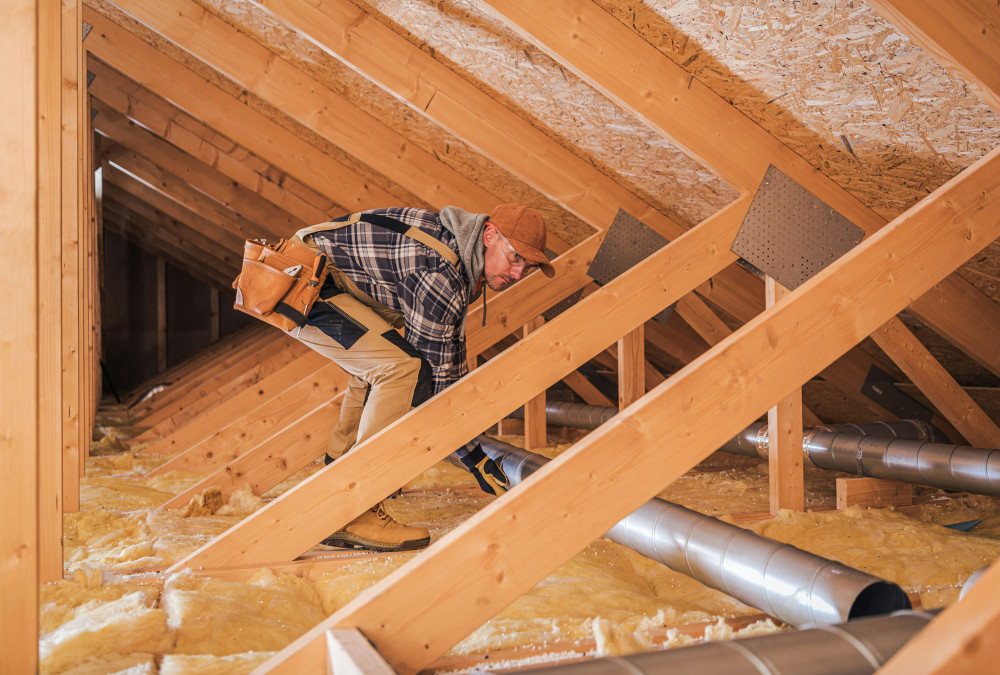
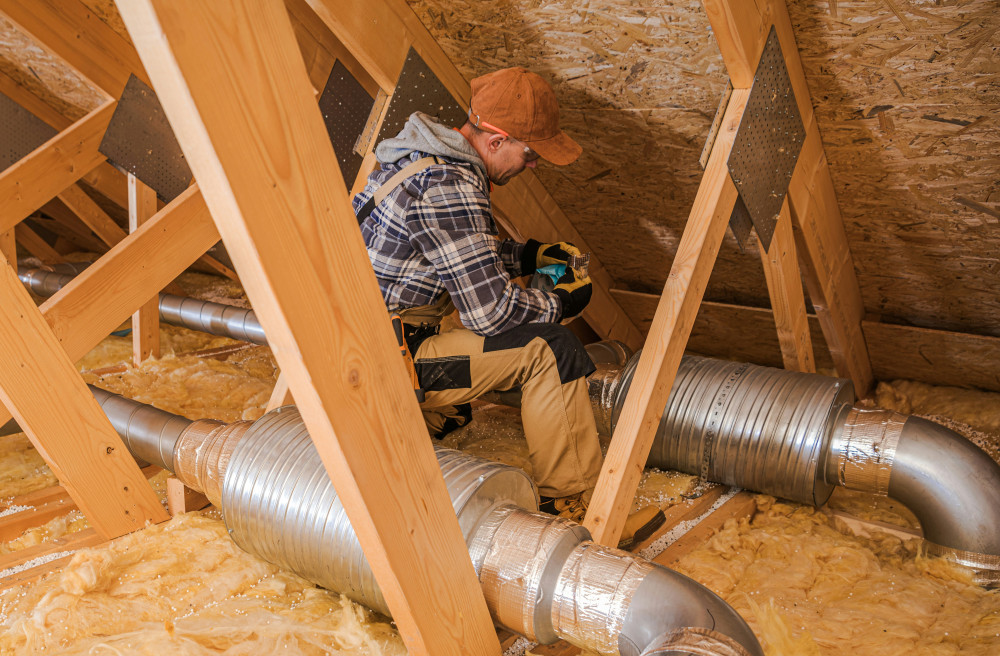
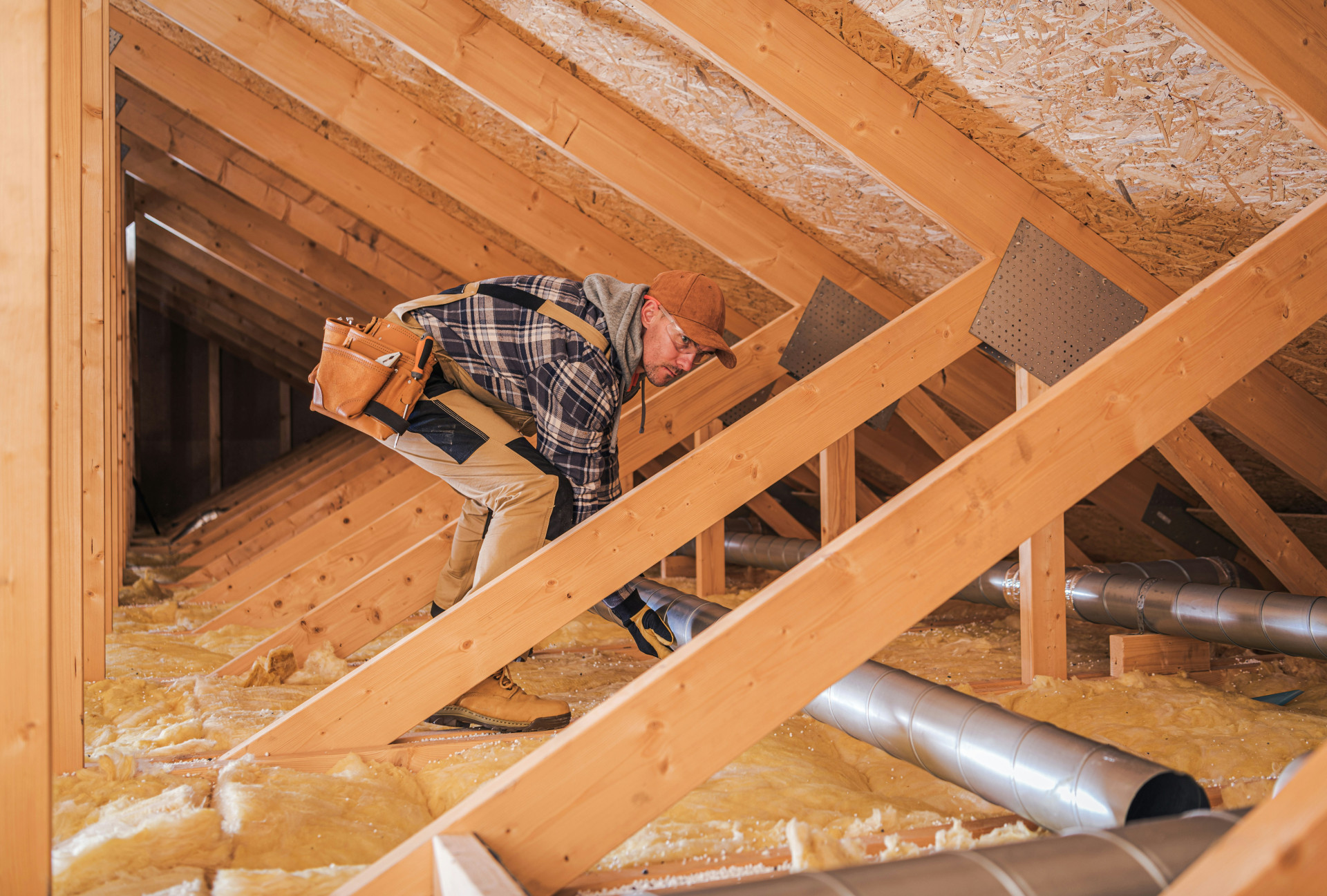
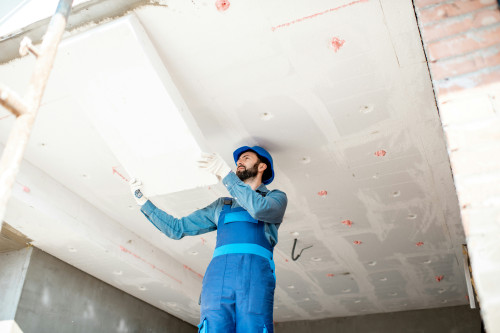
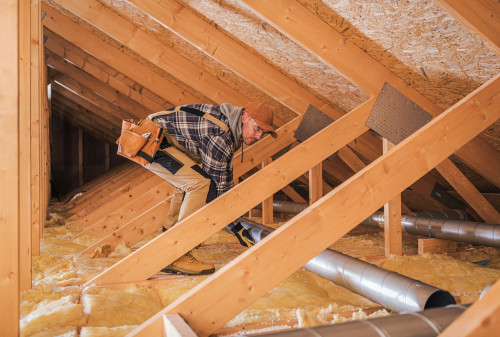
- Attic and roof insulation – one of the most cost-effective ways to reduce heat loss.
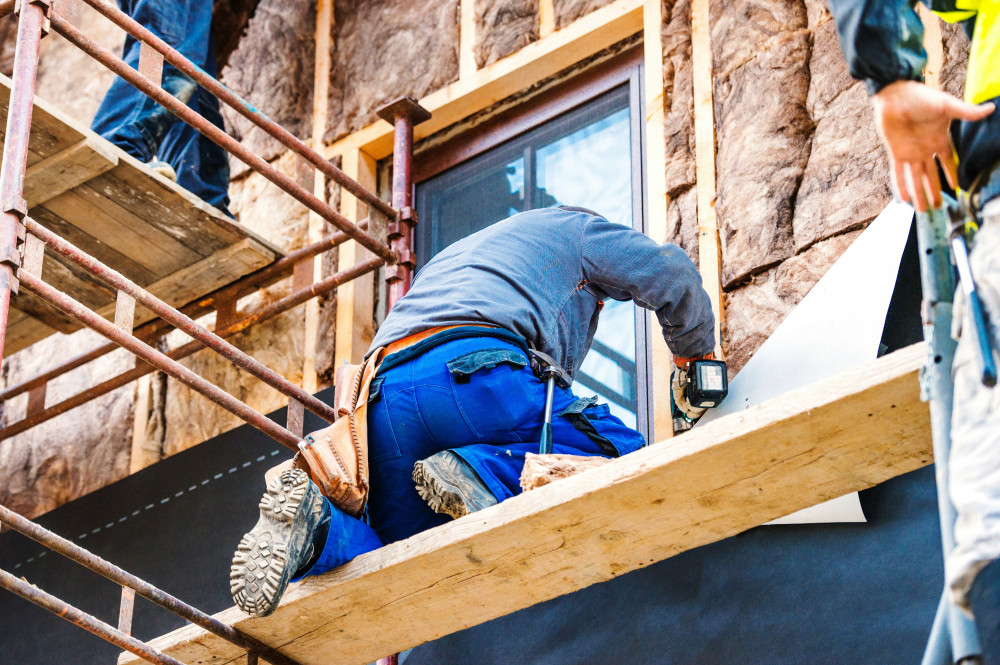
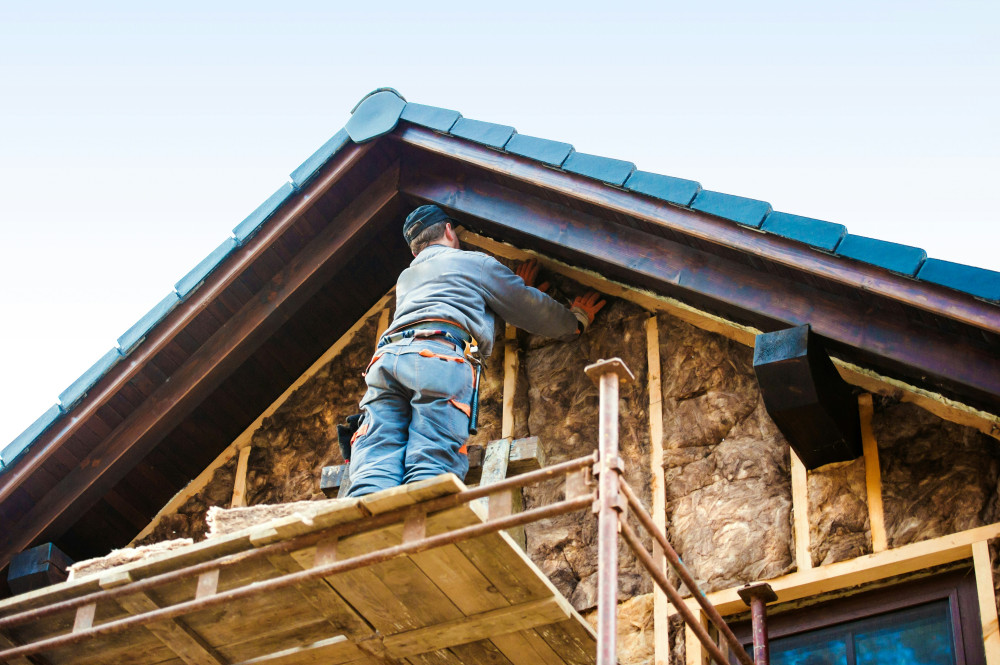
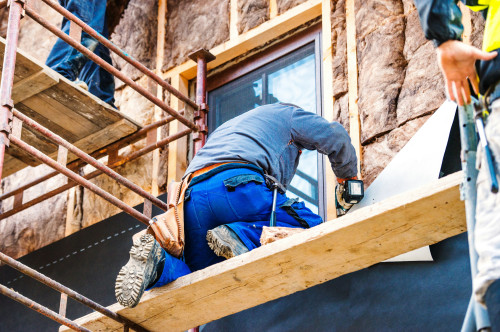
- Wall insulation – especially beneficial for older homes with little or no existing insulation.
- Floor and basement insulation – helps prevent heat from escaping through unheated spaces.
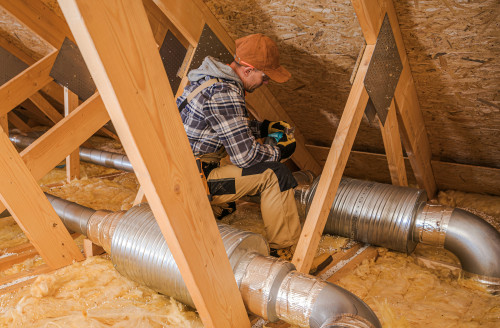
- Pipe and duct insulation – small upgrades that can make heating and cooling systems more efficient.
- Energy-efficient windows and doors – often combined with insulation projects for maximum impact.
Each program has its own eligibility criteria, so it’s important to check the specific requirements before you begin. Some may require certified materials or professional installation to qualify.
How Grants Influence Your Home Improvement Decisions
Financial incentives can significantly shape how and when you choose to renovate. Many homeowners decide to move insulation projects higher up their priority list once they realize that grants or rebates can offset part of the cost. In some cases, the savings make it possible to take on a more comprehensive upgrade—such as insulating both the attic and exterior walls instead of just one area.
These programs can also affect your home’s long-term value. Energy-efficient homes are increasingly attractive to buyers, and a strong energy performance rating can make your property stand out in a competitive market. That means an insulation project not only saves you money on utilities but can also boost your home’s resale value.
What to Keep in Mind
While insulation grants and rebates can be a big help, there are a few key points to consider:
- Apply before starting the project. Many programs require pre-approval or proof of eligibility before work begins.
- Keep thorough documentation. You’ll need receipts, contractor certifications, and sometimes energy audits to claim your incentive.
- Expect to share some of the cost. Grants and rebates rarely cover the full expense, so plan a realistic budget.
- Check tax implications. Some incentives come in the form of tax credits, which may affect your annual return. Consult a tax professional if you’re unsure.
- Compare multiple offers. Utility companies, state programs, and federal incentives can sometimes be combined for greater savings.
By planning carefully and researching your options, you can make sure your insulation project is both financially and environmentally rewarding.
An Investment in Comfort and the Future
Insulation isn’t just about saving money—it’s about creating a more comfortable, sustainable home. A well-insulated house stays warmer in winter, cooler in summer, and quieter year-round. At the same time, you’re contributing to a cleaner energy future by reducing your household’s carbon footprint.
Grants and rebates make it easier to take that step, but they should be seen as a helping hand rather than the sole motivation. The real payoff lies in the long-term comfort, lower energy bills, and increased value of your home.
Læs også: