Freshen Up Your Home: Easy DIY Projects
Get inspiration for easy DIY tasks that can give your home a breath of fresh air. This ebook contains step-by-step guides to help you transform spaces and details without breaking the bank.
Read now

Foundation Insulation That Reduces Energy Consumption in Different Climate Zones

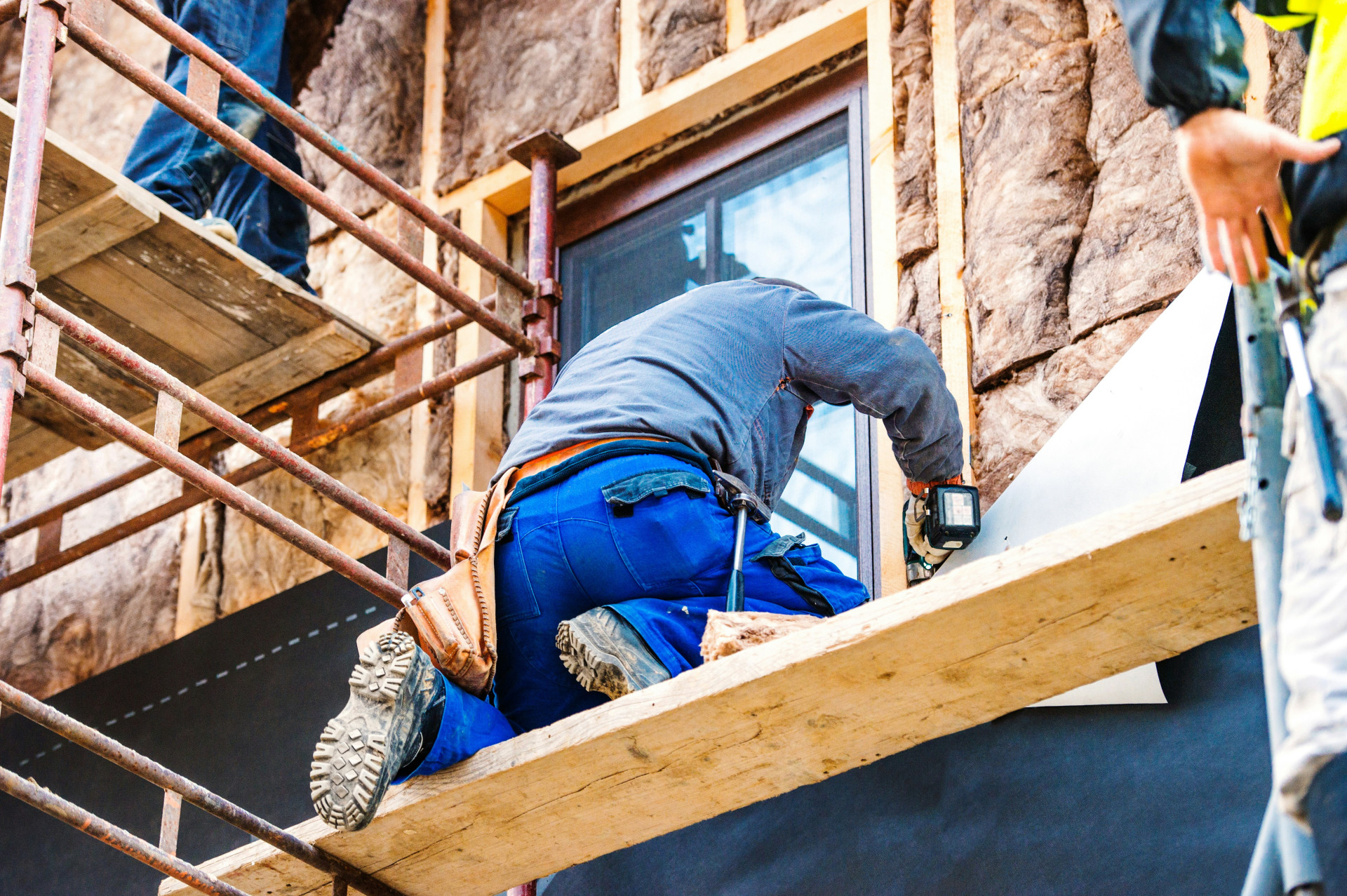
Improve comfort and cut energy costs with the right foundation insulation for your climate
Insulation
Insulation
2 min
Discover how proper foundation insulation can make your home more energy-efficient, comfortable, and durable. Learn which insulation methods work best in cold, temperate, and warm climate zones to reduce heat loss and protect your home year-round.
Lucas Young
Lucas
Young

Foundation Insulation That Reduces Energy Consumption in Different Climate Zones

Improve comfort and cut energy costs with the right foundation insulation for your climate
Insulation
Insulation
2 min
Discover how proper foundation insulation can make your home more energy-efficient, comfortable, and durable. Learn which insulation methods work best in cold, temperate, and warm climate zones to reduce heat loss and protect your home year-round.
Lucas Young
Lucas
Young

The foundation—the transition between a home’s footing and its exterior walls—plays a much larger role in energy efficiency than many homeowners realize. Poorly insulated foundations can lead to heat loss, moisture problems, and uncomfortable indoor temperatures. With the right foundation insulation, however, you can improve comfort, protect your home’s structure, and significantly reduce energy consumption—whether you live in a cold northern state, a temperate region, or a warm southern climate.

This article explores how foundation insulation works and how it should be adapted to different U.S. climate zones.

Why Foundation Insulation Matters

The foundation is where your home meets the ground. Without proper insulation, heat can escape through the concrete and into the soil, while cold or moisture can seep in. Even if your walls and roof are well insulated, an unprotected foundation can undermine your home’s overall energy performance.

Effective foundation insulation:

  • Reduces heat loss, lowering heating and cooling costs.
  • Prevents thermal bridging, which can cause condensation and mold.
  • Protects the structure from frost damage and moisture intrusion.
  • Improves comfort, keeping floors warmer and indoor temperatures more stable.

Insulation can be installed on the exterior, interior, or both, depending on the building design, soil conditions, and local climate.

Foundation Insulation in Cold Climate Zones

In cold regions—such as the Upper Midwest, New England, and northern mountain states—temperature differences between indoors and outdoors can be extreme in winter. Minimizing heat loss through the foundation is essential.

  • Material choice: Extruded polystyrene (XPS) and closed-cell spray polyurethane foam (SPF) are common because they resist moisture and have low thermal conductivity.
  • Insulation thickness: Typically ranges from 4 to 8 inches, depending on soil temperature and building type.
  • Frost protection: Insulation should extend below the frost line to prevent frost heave and protect the footing.

Properly installed foundation insulation in these areas can reduce total home energy use by 10–15%, while also improving comfort and preventing cold floors.

Foundation Insulation in Temperate Climate Zones

In much of the U.S.—including the Pacific Northwest, the Mid-Atlantic, and parts of the Midwest—climates are moderate, with both heating and cooling needs throughout the year. Here, foundation insulation must balance energy efficiency with moisture control.

  • Moisture management: Use water-resistant insulation boards combined with drainage layers and vapor barriers to prevent moisture buildup.
  • Ventilation balance: Avoid over-sealing; allow the structure to “breathe” to prevent trapped humidity.
  • Energy savings: A moderate insulation thickness of 3 to 5 inches is often sufficient to achieve noticeable energy reductions.

In temperate zones, foundation insulation can be paired with wall and attic upgrades to create a continuous thermal envelope around the home.

Foundation Insulation in Warm and Humid Climate Zones

In southern states—such as Florida, Texas, and coastal regions—foundation insulation focuses more on moisture control and indoor comfort than on heat retention.

  • Reflective materials: Insulation with reflective surfaces can help reduce heat gain from the ground and sun exposure.
  • Moisture barriers: Proper drainage, vapor barriers, and termite-resistant materials are critical in humid climates.
  • Comfort and durability: Even a thin layer of insulation can prevent condensation, reduce indoor humidity, and extend the life of the foundation.

While the direct energy savings may be smaller, the benefits in comfort, air quality, and structural longevity are significant.

Choosing the Right Solution

Selecting the right foundation insulation depends on several factors:

  • Climate zone and soil conditions – frost depth, moisture levels, and temperature swings all matter.
  • Building age and design – older homes may require specialized retrofitting solutions.
  • Budget and energy goals – quality insulation typically pays for itself within 5–10 years through lower utility bills.

Consulting a certified energy auditor or building engineer can help determine the best approach for your home and location.

A Smart Investment in Comfort and Sustainability

Foundation insulation is more than a technical upgrade—it’s an investment in a more comfortable, energy-efficient, and sustainable home. By tailoring the solution to your climate zone, you can maximize performance while minimizing environmental impact.

Whether you live in a snowy northern state or a warm coastal region, a well-insulated foundation is one of the most effective steps you can take toward lower energy consumption and a healthier living environment.

Create Balance Between Outdoor and Indoor Climate All Year Round
Achieve comfort and energy efficiency by harmonizing your home with the changing seasons
Insulation
Insulation
Indoor Climate
Home Comfort
Energy Efficiency
Seasonal Living
Healthy Home
2 min
Discover how to create a healthy and comfortable indoor environment that adapts to outdoor conditions all year round. Learn practical tips for managing temperature, humidity, and air quality to keep your home balanced from winter to summer.
Marco Stevens
Marco
Stevens
Insulation Grants – How They Affect Your Home Choices
Discover how government insulation grants can make your home upgrades more affordable and energy-efficient
Insulation
Insulation
Insulation
Energy Efficiency
Home Improvement
Grants
Sustainable Living
6 min
Learn how insulation grants, rebates, and tax credits can influence your home improvement decisions. Understand the different types of projects that may qualify and what to consider before applying, so you can make smart, cost-effective choices for a more comfortable and sustainable home.
Chase Freeman
Chase
Freeman
Reuse Materials in Your Energy Renovation
Give your home a sustainable upgrade by reusing materials in your energy renovation
Insulation
Insulation
Energy Renovation
Sustainable Building
Home Improvement
Reuse
Eco-Friendly Living
6 min
Discover how reusing building materials can make your energy renovation both eco-friendly and cost-effective. Learn where to find quality reused materials, how to combine them with modern energy solutions, and how to create a greener home with character.
Thiago Hernández
Thiago
Hernández
Foundation Insulation That Reduces Energy Consumption in Different Climate Zones
Improve comfort and cut energy costs with the right foundation insulation for your climate
Insulation
Insulation
Foundation Insulation
Energy Efficiency
Home Improvement
Sustainable Building
Climate Zones
2 min
Discover how proper foundation insulation can make your home more energy-efficient, comfortable, and durable. Learn which insulation methods work best in cold, temperate, and warm climate zones to reduce heat loss and protect your home year-round.
Lucas Young
Lucas
Young
Choose Insulation Materials with a Focus on Cost Efficiency
Make smart choices that balance insulation performance with long-term savings
Insulation
Insulation
Insulation
Energy Efficiency
Home Improvement
Cost Savings
Sustainable Living
6 min
Learn how to select insulation materials that deliver both comfort and cost efficiency. This guide helps you compare prices, performance, and lifespan so you can make an informed investment that reduces energy bills and supports sustainable living.
Kayla Gonzalez
Kayla
Gonzalez
Overview: Barbecue cutlery in many varieties and materials
Complete the barbecue experience with the right cutlery for summer meals
Furniture
Furniture
Barbecue cutlery
Grill
Outdoor living
Table setting
Garden inspiration
2 min
Barbecue cutlery is both practical and decorative. In this article, you get an overview of different types, materials, and designs so you can find the set that best suits your grill and your outdoor dining table.
Marco Stevens
Marco
Stevens
Cushions – get an overview of different types and materials
Make your chairs and seating more comfortable with the right cushion
Furniture
Furniture
Cushions
Chairs
Comfort
Interior design
Materials
7 min
Cushions provide both comfort and style to your chairs. In this article, you’ll get an overview of different types and materials so you can find the cushions that best suit your home and your needs.
Chase Freeman
Chase
Freeman
Find inspiration among many types of coasters
Make the table setting both practical and decorative with the right coasters
Furniture
Furniture
Coasters
Kitchen
Interior
Home
Design
6 min
Coasters not only protect the table from heat but can also be a stylish element in the decor. Get inspiration for different materials, shapes and designs, and find coasters that suit your personal style.
Thiago Hernández
Thiago
Hernández