Freshen Up Your Home: Easy DIY Projects
Get inspiration for easy DIY tasks that can give your home a breath of fresh air. This ebook contains step-by-step guides to help you transform spaces and details without breaking the bank.
Read now

Choose Insulation Materials with a Focus on Cost Efficiency

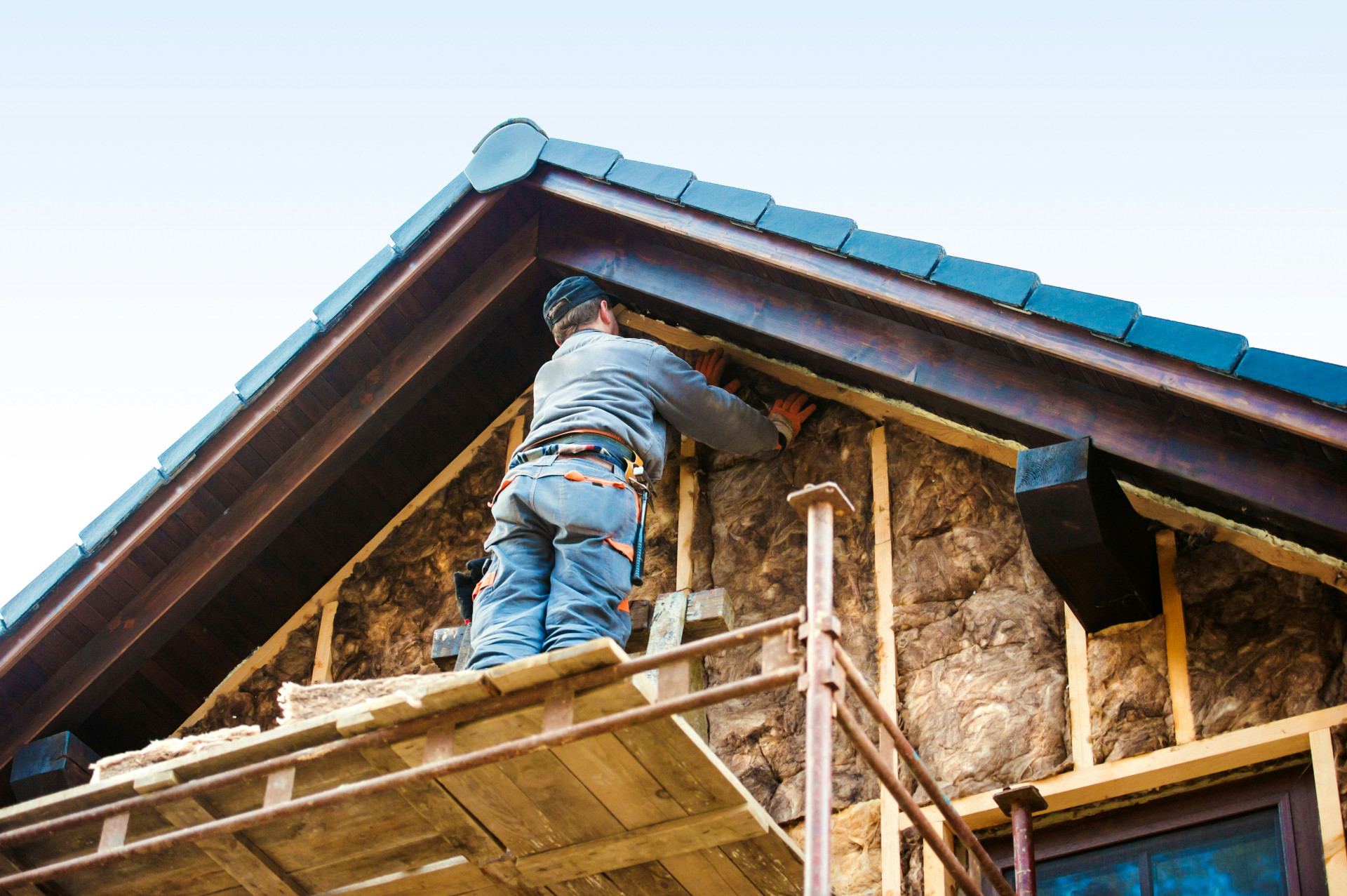
Make smart choices that balance insulation performance with long-term savings
Insulation
Insulation
6 min
Learn how to select insulation materials that deliver both comfort and cost efficiency. This guide helps you compare prices, performance, and lifespan so you can make an informed investment that reduces energy bills and supports sustainable living.
Kayla Gonzalez
Kayla
Gonzalez

Choose Insulation Materials with a Focus on Cost Efficiency

Make smart choices that balance insulation performance with long-term savings
Insulation
Insulation
6 min
Learn how to select insulation materials that deliver both comfort and cost efficiency. This guide helps you compare prices, performance, and lifespan so you can make an informed investment that reduces energy bills and supports sustainable living.
Kayla Gonzalez
Kayla
Gonzalez

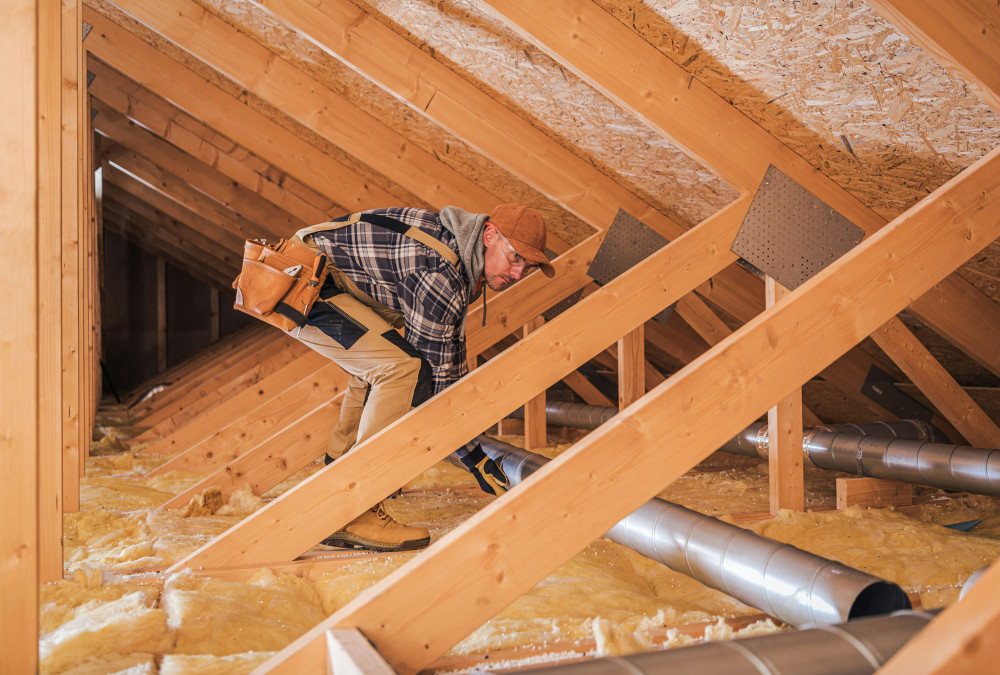
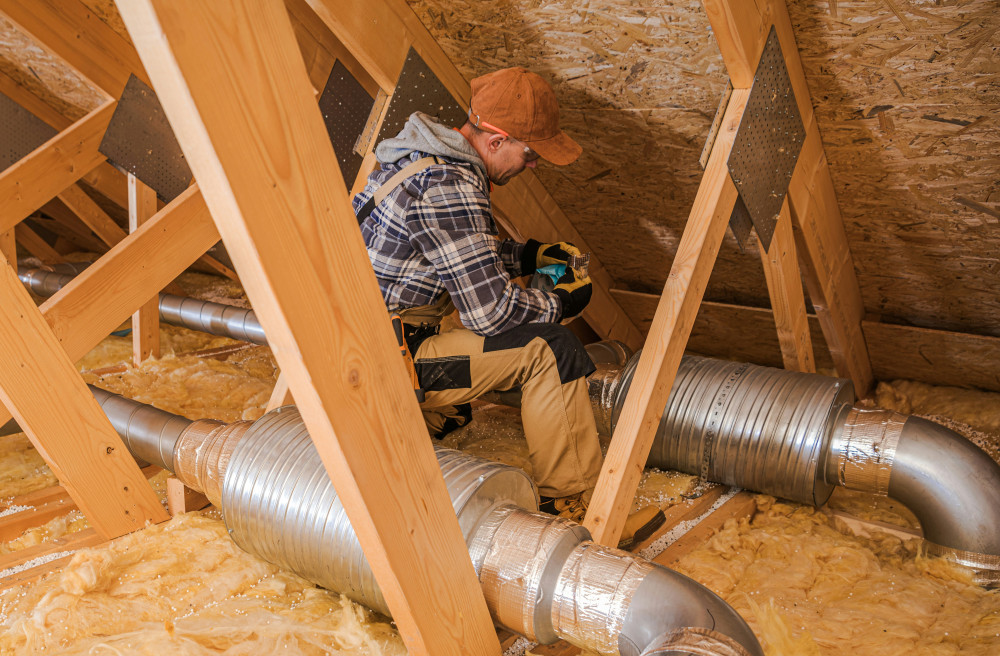
When you insulate your home, you’re not just keeping the heat in and the cold out—you’re also making a financial investment. The insulation materials you choose affect your upfront costs, your long-term energy bills, and your home’s maintenance needs. Here’s how to choose insulation materials with cost efficiency in mind—without compromising on comfort or quality.

Look at the Big Picture

Before picking a material, think of your insulation project as a long-term investment. Quality insulation can significantly reduce heating and cooling costs, but the cheapest option today isn’t always the most economical over time.

Consider:

  • Your home’s age and structure – Older homes may need more preparation or specialized materials.
  • Local energy prices and climate – In regions with extreme temperatures or high energy costs, better insulation pays off faster.
  • Available incentives – Federal, state, or utility programs may offer rebates or tax credits for energy-efficient upgrades.

An energy auditor can help you identify where insulation will have the greatest impact and how quickly it will pay for itself.

Compare Materials – Price and Performance

There are many types of insulation materials, each with different costs, performance levels, and lifespans. Here’s an overview of some of the most common options in the U.S.:

  • Fiberglass (batts or loose-fill) One of the most widely used materials. It’s affordable, easy to install, and offers good thermal performance. It’s also fire-resistant and doesn’t attract pests. Cost advantage: Low initial cost and long lifespan.

  • Cellulose insulation Made from recycled paper treated for fire and mold resistance. It’s blown into walls or attics and is especially suitable for retrofitting older homes. Cost advantage: Competitive price, good thermal performance, and environmentally friendly.

  • Spray foam (open-cell or closed-cell) Provides excellent insulation and air sealing, which can reduce drafts and energy loss. It’s more expensive per square foot and requires professional installation. Cost advantage: High efficiency in limited space—ideal for renovations or tight areas.

  • Rigid foam boards (XPS, EPS, or polyiso) Used for foundations, walls, and roofs. They offer high R-values and moisture resistance. Cost advantage: Durable and effective, especially in areas prone to moisture.

  • Natural materials (cotton, wool, or wood fiber) Eco-friendly alternatives that regulate humidity well. They tend to cost more and may require specialized installation. Cost advantage: Long lifespan and improved indoor air quality, though with higher upfront costs.

When comparing prices, include not only the material cost but also labor, vapor barriers, and disposal of old insulation if applicable.

Think About Lifespan and Maintenance

A low-cost material can become expensive if it needs replacement or causes moisture problems. Look for materials that resist mold, pests, and settling over time.

Fiberglass and foam insulation typically last 40–50 years, while cellulose and natural materials can last just as long if installed correctly. Proper installation is key—poor workmanship can lead to air leaks and reduced performance.

Calculate the Payback Period

A practical way to assess cost efficiency is to calculate the payback period—how long it takes for your energy savings to cover the cost of the insulation.

Example: If you spend $4,000 on attic insulation and save $500 per year on heating and cooling, your payback period is about eight years. Since insulation lasts for decades, the savings after that point are pure profit.

Combine Cost Efficiency with Sustainability

Even if your main focus is cost, sustainability can enhance long-term value. Durable, low-impact materials can reduce environmental impact and improve resale value. Energy-efficient homes are increasingly attractive to buyers and can command higher prices on the market.

Get Professional Advice

It’s tempting to choose based on price alone, but professional guidance can prevent costly mistakes. A certified energy auditor or insulation contractor can recommend the best materials for your home’s structure, climate zone, and budget.

A Smart Investment That Pays Off

Choosing insulation materials with cost efficiency in mind isn’t about picking the cheapest option—it’s about finding the smartest one. When you consider the full life cycle—from installation cost to energy savings—insulation becomes one of the most rewarding investments you can make in your home.

Create Balance Between Outdoor and Indoor Climate All Year Round
Achieve comfort and energy efficiency by harmonizing your home with the changing seasons
Insulation
Insulation
Indoor Climate
Home Comfort
Energy Efficiency
Seasonal Living
Healthy Home
2 min
Discover how to create a healthy and comfortable indoor environment that adapts to outdoor conditions all year round. Learn practical tips for managing temperature, humidity, and air quality to keep your home balanced from winter to summer.
Marco Stevens
Marco
Stevens
Insulation Grants – How They Affect Your Home Choices
Discover how government insulation grants can make your home upgrades more affordable and energy-efficient
Insulation
Insulation
Insulation
Energy Efficiency
Home Improvement
Grants
Sustainable Living
6 min
Learn how insulation grants, rebates, and tax credits can influence your home improvement decisions. Understand the different types of projects that may qualify and what to consider before applying, so you can make smart, cost-effective choices for a more comfortable and sustainable home.
Chase Freeman
Chase
Freeman
Reuse Materials in Your Energy Renovation
Give your home a sustainable upgrade by reusing materials in your energy renovation
Insulation
Insulation
Energy Renovation
Sustainable Building
Home Improvement
Reuse
Eco-Friendly Living
6 min
Discover how reusing building materials can make your energy renovation both eco-friendly and cost-effective. Learn where to find quality reused materials, how to combine them with modern energy solutions, and how to create a greener home with character.
Thiago Hernández
Thiago
Hernández
Foundation Insulation That Reduces Energy Consumption in Different Climate Zones
Improve comfort and cut energy costs with the right foundation insulation for your climate
Insulation
Insulation
Foundation Insulation
Energy Efficiency
Home Improvement
Sustainable Building
Climate Zones
2 min
Discover how proper foundation insulation can make your home more energy-efficient, comfortable, and durable. Learn which insulation methods work best in cold, temperate, and warm climate zones to reduce heat loss and protect your home year-round.
Lucas Young
Lucas
Young
Choose Insulation Materials with a Focus on Cost Efficiency
Make smart choices that balance insulation performance with long-term savings
Insulation
Insulation
Insulation
Energy Efficiency
Home Improvement
Cost Savings
Sustainable Living
6 min
Learn how to select insulation materials that deliver both comfort and cost efficiency. This guide helps you compare prices, performance, and lifespan so you can make an informed investment that reduces energy bills and supports sustainable living.
Kayla Gonzalez
Kayla
Gonzalez
Overview: Barbecue cutlery in many varieties and materials
Complete the barbecue experience with the right cutlery for summer meals
Furniture
Furniture
Barbecue cutlery
Grill
Outdoor living
Table setting
Garden inspiration
2 min
Barbecue cutlery is both practical and decorative. In this article, you get an overview of different types, materials, and designs so you can find the set that best suits your grill and your outdoor dining table.
Marco Stevens
Marco
Stevens
Cushions – get an overview of different types and materials
Make your chairs and seating more comfortable with the right cushion
Furniture
Furniture
Cushions
Chairs
Comfort
Interior design
Materials
7 min
Cushions provide both comfort and style to your chairs. In this article, you’ll get an overview of different types and materials so you can find the cushions that best suit your home and your needs.
Chase Freeman
Chase
Freeman
Find inspiration among many types of coasters
Make the table setting both practical and decorative with the right coasters
Furniture
Furniture
Coasters
Kitchen
Interior
Home
Design
6 min
Coasters not only protect the table from heat but can also be a stylish element in the decor. Get inspiration for different materials, shapes and designs, and find coasters that suit your personal style.
Thiago Hernández
Thiago
Hernández