Solar Roofs and Weather Conditions – What Should You Consider?

Solar Roofs and Weather Conditions – What Should You Consider?
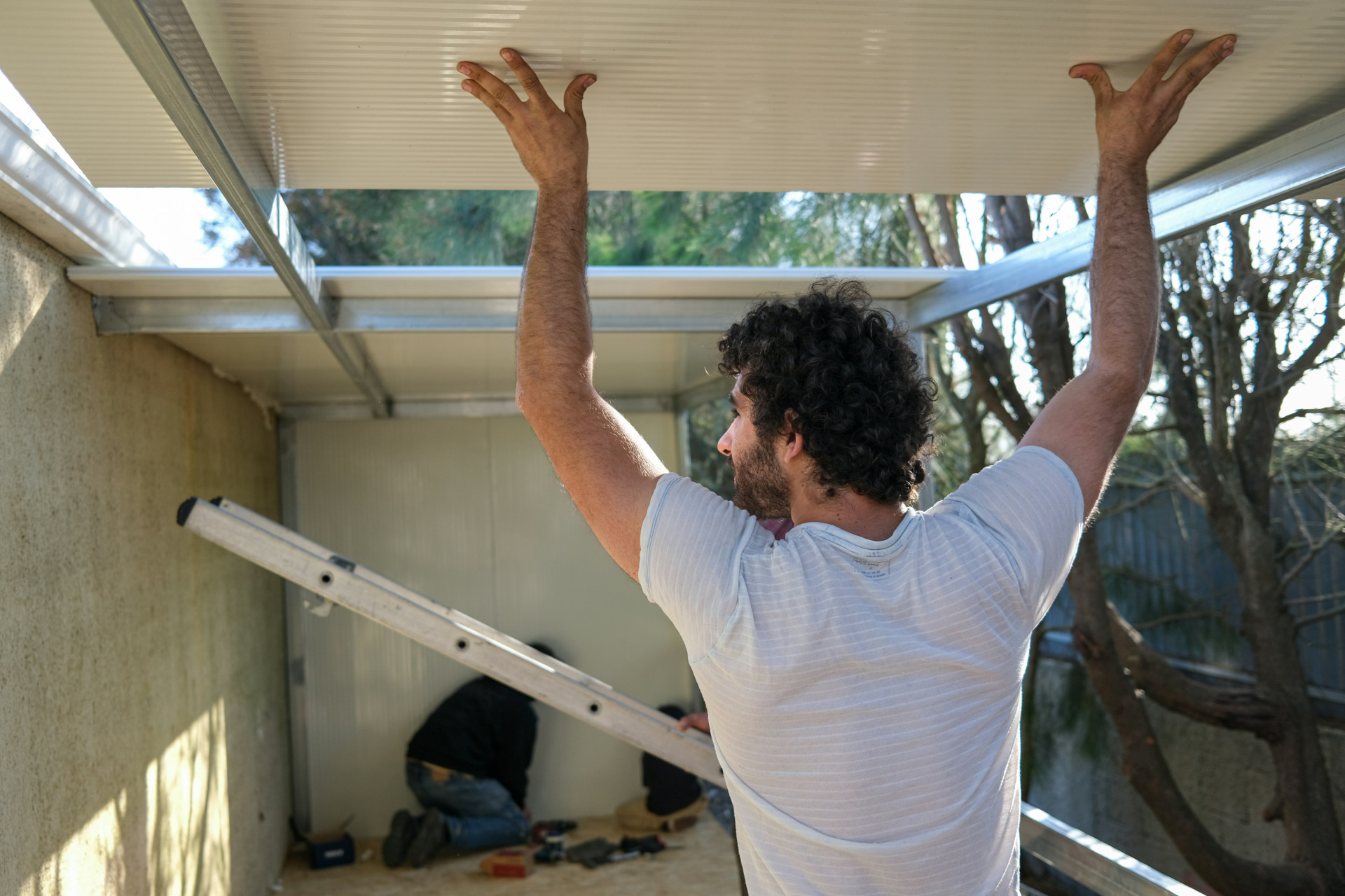
A solar roof is an investment that can lower your electricity bills and make your home more sustainable. But solar panels don’t just depend on sunlight—they’re also affected by wind, rain, snow, and temperature. Before you decide to install a solar roof, it’s important to understand how local weather conditions across the U.S. can influence performance and durability. Here’s what you should consider when planning your solar roof.
Sunlight and Orientation – Getting the Most Out of Your Roof
The United States has a wide range of sunlight conditions, from the sunny Southwest to the cloudier Pacific Northwest. Modern solar roofs are designed to capture energy even on overcast days, but placement and angle still matter.
- South-facing roofs generally produce the most energy, but east- and west-facing roofs can also be effective if you want a more balanced energy output throughout the day.
- Roof pitch between 25 and 40 degrees is typically ideal for most U.S. locations, though this can vary depending on latitude.
- Shading from trees, chimneys, or nearby buildings can significantly reduce efficiency, so a professional solar assessment is essential before installation.
Wind and Storms – Can Your Roof Handle It?
From coastal hurricanes to Midwest tornadoes, strong winds are a reality in many parts of the U.S. A solar roof must be able to withstand these conditions.
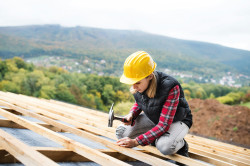
- Proper mounting and sealing are critical. Integrated solar roofs are designed to be part of the roof structure, but poor installation can lead to leaks or loose panels.
- Roof type and age matter. Older roofs or those made from lightweight materials may need reinforcement before solar panels are added.
- Regular inspections—especially after major storms—help ensure that fasteners and seals remain secure.
Rain and Moisture – Friend or Foe?
Rain can actually help keep your solar roof clean by washing away dust and debris. However, moisture can cause problems if the system isn’t properly installed.
- Make sure the roof surface is watertight and that water drains freely around the panels.
- Condensation and trapped moisture beneath panels can damage both the roof and the solar components over time, so good ventilation is key.
- Choose an installer familiar with your region’s climate, whether that means heavy rainfall in the Pacific Northwest or humid conditions in the Southeast.
Læs også:
Snow and Ice – What Happens in Winter?
In northern states, snow can temporarily block sunlight and reduce energy production. Fortunately, most solar panels are designed to shed snow quickly, especially when installed at the right angle.
- Dark-colored panels absorb heat and help snow melt faster.
- Avoid manually removing snow with tools that could scratch or damage the panels.
- Cold temperatures don’t harm solar cells—in fact, panels often perform more efficiently in cooler weather—but repeated freeze-thaw cycles can stress materials over time, so quality construction is important.
Temperature and Efficiency
Solar panels actually produce less electricity when they get too hot. That means that in many U.S. regions, moderate temperatures can be ideal for performance. A cool, sunny day in spring or fall can yield better results than a scorching summer afternoon.
To maintain optimal efficiency, ensure your solar roof has adequate airflow beneath the panels to dissipate heat. This not only improves performance but also extends the system’s lifespan.
Choosing Materials and Installers Wisely
When selecting a solar roof, look beyond price and appearance. The quality of materials, warranties, and the installer’s experience with local weather conditions all play a major role in long-term success.
- Ask about wind and weather testing for the system.
- Review warranty coverage for panels, inverters, and roof integrity.
- Consider a maintenance or service plan to ensure your system stays in top condition year after year.
A Solar Roof Built for Every Climate
Whether you live in the sunny deserts of Arizona, the snowy mountains of Colorado, or the storm-prone coasts of Florida, a well-designed solar roof can perform reliably in all kinds of weather. By planning for wind, rain, snow, and temperature from the start, you can make sure your investment remains efficient, durable, and cost-effective for decades to come.
Læs også: