Roofing Felt as Inspiration for Modern Roof Designs

Roofing Felt as Inspiration for Modern Roof Designs
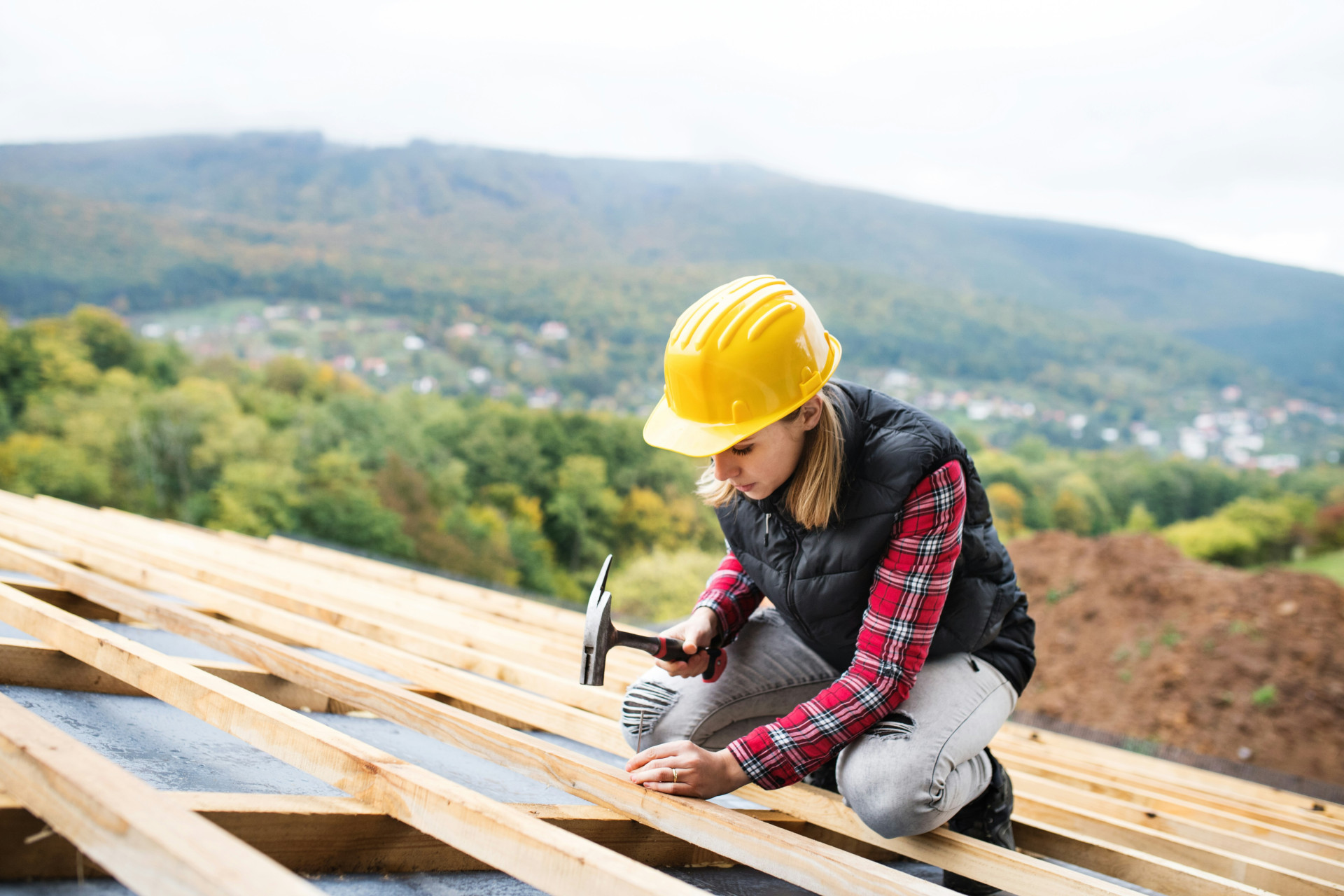
For decades, roofing felt—often associated with flat roofs and utilitarian buildings—has been a staple in American construction. But in recent years, this traditional material has found new life in modern architecture. Today’s roofing felt is not only durable and practical but also visually appealing and adaptable, making it a compelling choice for both residential and commercial projects. In this article, we explore how roofing felt can inspire innovative roof designs that balance function, aesthetics, and sustainability.
A Material with Endless Possibilities
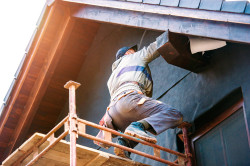
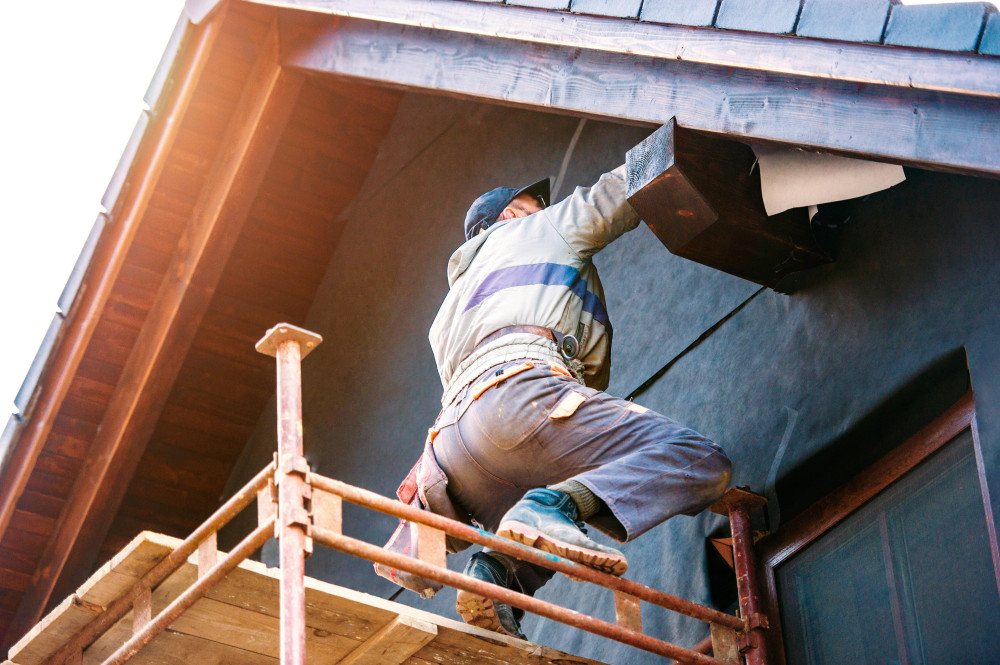
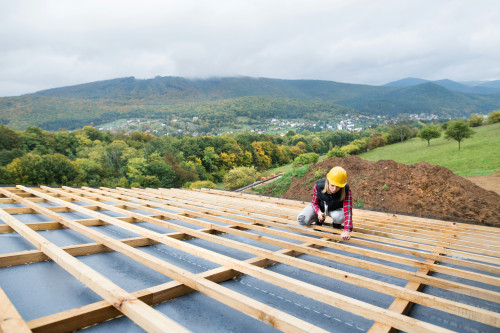
Roofing felt is no longer just a practical necessity—it’s a design element. Modern versions come in a variety of colors, textures, and finishes, allowing homeowners and architects to create distinctive looks that complement both contemporary and classic structures. Because it can be molded to follow the roof’s contours and details, roofing felt offers great design flexibility. It works well on flat and low-slope roofs and can even be used as a cladding material for vertical surfaces, creating a seamless architectural expression.
Durability and Low Maintenance
One of the key advantages of modern roofing felt is its longevity. High-quality felt roofs can last 30 to 40 years when properly installed and maintained. Maintenance is minimal—typically an annual inspection to ensure that seams and drainage points remain watertight. Compared to other roofing materials, roofing felt offers a cost-effective and practical long-term solution, especially for homeowners seeking reliability without constant upkeep.
Sustainable and Energy-Efficient Options
Roofing felt also plays a role in sustainable building practices. Many property owners now combine it with green roof systems, where vegetation such as sedum or moss covers the surface. This approach improves insulation, reduces stormwater runoff, and supports local biodiversity. Additionally, the flat surface of roofing felt makes it ideal for integrating solar panels, helping homeowners and businesses reduce energy costs and carbon footprints. These qualities make it a smart choice for eco-conscious construction and renovation projects.
Læs også:
Architectural Freedom and Modern Aesthetics
Roofing felt allows for clean lines and a minimalist appearance that fits perfectly with modern architectural trends. It can highlight a building’s geometry or create a smooth transition between roof and façade. Architects often pair roofing felt with materials like wood, metal, or concrete to achieve striking contrasts and a cohesive, contemporary look. The result is a design that feels both timeless and forward-thinking.
Inspiration for Your Next Roofing Project
Whether you’re building a new home, remodeling an existing one, or designing a commercial space, roofing felt deserves consideration. It’s suitable for a wide range of applications—from single-family homes and garages to office buildings and extensions. With its combination of design versatility, durability, and environmental benefits, roofing felt offers a way to create a roof that not only protects but also enhances the overall character of the building.
A Modern Material with Classic Strength
Roofing felt has proven its reliability over generations, but only recently has it been recognized as a material with true architectural potential. Its blend of flexibility, strength, and aesthetic appeal makes it a cornerstone of modern roof design. Whether your goal is a green roof, a sleek minimalist profile, or a practical solution for a flat roof, roofing felt provides the perfect balance of form and function—bringing new inspiration to the roofs of today and tomorrow.
Læs også: