Freshen Up Your Home: Easy DIY Projects
Get inspiration for easy DIY tasks that can give your home a breath of fresh air. This ebook contains step-by-step guides to help you transform spaces and details without breaking the bank.
Read now

Combine Roof Insulation Materials for Better Performance

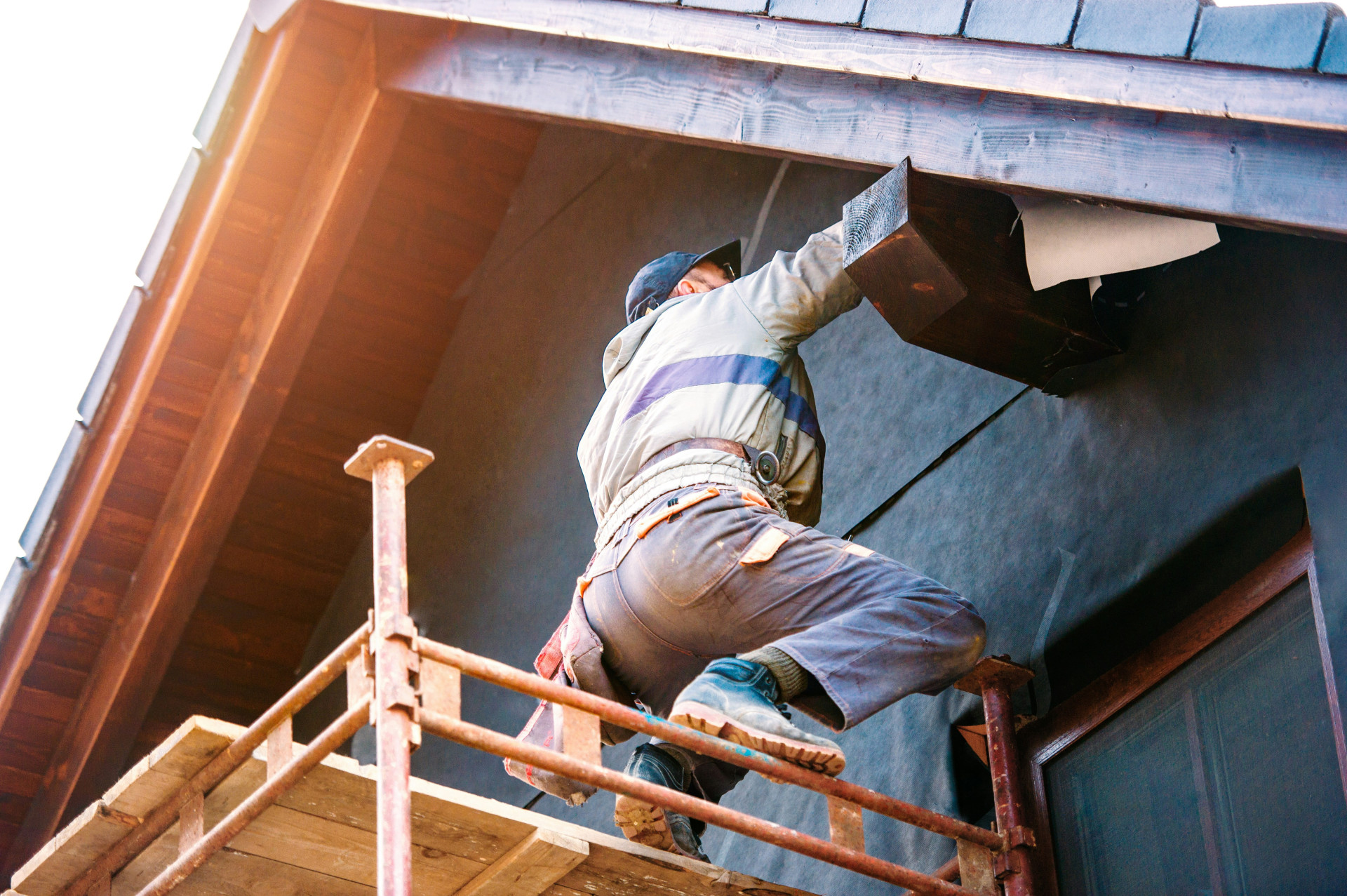
Boost your home’s energy efficiency by combining the strengths of different insulation materials
Roof
Roof
3 min
Discover how mixing various roof insulation materials can enhance thermal performance, reduce energy costs, and create a more comfortable indoor climate. Learn which combinations work best and what to consider for long-lasting results.
Kayla Gonzalez
Kayla
Gonzalez

Combine Roof Insulation Materials for Better Performance

Boost your home’s energy efficiency by combining the strengths of different insulation materials
Roof
Roof
3 min
Discover how mixing various roof insulation materials can enhance thermal performance, reduce energy costs, and create a more comfortable indoor climate. Learn which combinations work best and what to consider for long-lasting results.
Kayla Gonzalez
Kayla
Gonzalez

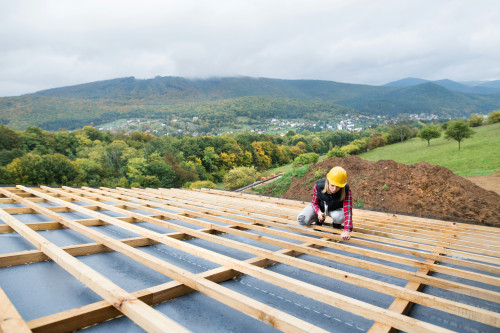
A well-insulated roof is one of the most effective ways to reduce heat loss and energy consumption in your home. But many homeowners overlook the fact that combining different insulation materials can lead to a more efficient and durable solution. Each material has its own strengths—and when used together, they can complement each other to create a more comfortable indoor environment year-round.

Why Combine Insulation Materials?

Traditionally, a single insulation material—such as fiberglass, cellulose, or foam board—is chosen for roof insulation. In practice, however, combining materials can deliver better results. Different materials have unique properties when it comes to thermal resistance, moisture control, sound absorption, and longevity.

By combining insulation materials, you can:

  • Improve overall thermal performance – because the layers work together to reduce heat transfer.
  • Minimize thermal bridging – especially in older roofs where framing or joints may be uneven.
  • Enhance moisture management – by pairing materials that both insulate and allow vapor to escape.
  • Extend the roof’s lifespan – as the combination protects against heat, cold, and condensation.

Common Combinations That Work Well

There are many ways to combine insulation materials, depending on your roof type, climate zone, and the age of your home. Here are some of the most effective combinations used in U.S. homes:

  • Fiberglass and Polyiso Foam Board Fiberglass batts are affordable, easy to install, and provide good sound absorption. Polyisocyanurate (Polyiso) foam boards, on the other hand, offer one of the highest R-values per inch. Installing Polyiso boards above the roof deck and fiberglass batts between rafters can deliver excellent thermal performance and moisture control.

  • Cellulose and Wood Fiberboard For homeowners seeking a more sustainable option, blown-in cellulose combined with wood fiberboard is a great choice. Cellulose fills gaps and cavities, while fiberboard adds extra insulation and acts as a wind barrier. Together, they create a breathable system that helps regulate humidity and temperature naturally.

  • Spray Foam and Fiberglass In roofs with complex framing or hard-to-reach areas, closed-cell spray foam can be used to seal gaps and prevent air leaks. Fiberglass batts can then be added on top to increase insulation thickness and improve acoustic comfort. This combination is especially effective in attics where air sealing is a priority.

Avoid Mistakes: Think About Moisture and Ventilation

When combining insulation materials, it’s crucial to understand how they interact with moisture. Some materials are vapor-permeable, while others are vapor-tight. If layers are placed incorrectly, moisture can become trapped, leading to mold or rot.

A few key guidelines:

  • The inner layers should generally be more vapor-resistant than the outer layers.
  • Ensure adequate ventilation in the attic or roof cavity, especially in sloped roofs.
  • Always use a vapor barrier or vapor retarder that matches the materials’ properties and your local climate zone.

If you’re unsure, consult a building professional or energy auditor before starting the project—especially if your home has an older roof structure.

Benefits in the Short and Long Term

While combining insulation materials may seem more expensive upfront, the investment often pays off quickly. You’ll enjoy:

  • Lower heating and cooling bills.
  • A more stable indoor temperature—cooler in summer, warmer in winter.
  • Reduced risk of moisture damage and condensation.
  • A longer-lasting roof with fewer maintenance needs.

In addition, a well-designed insulation system can increase your home’s resale value and make it more attractive to energy-conscious buyers.

How to Get Started

If you’re considering upgrading your roof insulation, start with a home energy assessment. This will help identify where heat loss occurs and which materials are best suited for your roof type and climate.

Next steps:

  1. Get professional advice on material selection and combinations.
  2. Request quotes from contractors experienced in roof insulation.
  3. Consider combining the project with other improvements—such as roof replacement or solar panel installation.

By taking a comprehensive approach, you’ll achieve a solution that saves energy, enhances comfort, and adds long-term value to your home.

Green Roofs – The Most Common Types Explained
Discover how different types of green roofs can transform buildings and benefit the environment
Roof
Roof
Green Roof
Sustainable Architecture
Urban Design
Eco-Friendly Building
Roof Gardening
5 min
From lightweight systems to lush rooftop gardens, green roofs come in many forms—each with its own advantages. Learn about the most common types, their features, and how to choose the right one for your home or building project.
Marco Stevens
Marco
Stevens
Roof Drainage for Older Homes: Balancing Function and Aesthetics
Protect your historic home while preserving its timeless charm
Roof
Roof
Roof Drainage
Historic Homes
Home Renovation
Architecture
Preservation
6 min
Learn how to update or replace roof drainage on an older home without compromising its character. Discover materials, design choices, and maintenance tips that ensure both effective water management and architectural harmony.
Chase Freeman
Chase
Freeman
Roofing Felt as Inspiration for Modern Roof Designs
Discover how a classic roofing material is shaping the future of modern architecture
Roof
Roof
Roofing Felt
Modern Architecture
Sustainable Design
Building Materials
Roof Inspiration
6 min
Once known for its practicality, roofing felt is now inspiring innovative roof designs that combine durability, aesthetics, and sustainability. Learn how this versatile material is redefining both residential and commercial architecture.
Thiago Hernández
Thiago
Hernández
Solar Roofs and Weather Conditions – What Should You Consider?
Make the most of your solar investment by understanding how weather affects performance
Roof
Roof
Solar Energy
Renewable Power
Home Improvement
Sustainability
Climate Adaptation
3 min
Thinking about installing a solar roof? Learn how factors like sunlight, wind, rain, snow, and temperature influence efficiency and durability. Discover what to consider to ensure your solar roof performs well in your local climate.
Lucas Young
Lucas
Young
Combine Roof Insulation Materials for Better Performance
Boost your home’s energy efficiency by combining the strengths of different insulation materials
Roof
Roof
Roof Insulation
Energy Efficiency
Home Improvement
Sustainable Building
Thermal Comfort
3 min
Discover how mixing various roof insulation materials can enhance thermal performance, reduce energy costs, and create a more comfortable indoor climate. Learn which combinations work best and what to consider for long-lasting results.
Kayla Gonzalez
Kayla
Gonzalez
Overview: Barbecue cutlery in many varieties and materials
Complete the barbecue experience with the right cutlery for summer meals
Furniture
Furniture
Barbecue cutlery
Grill
Outdoor living
Table setting
Garden inspiration
2 min
Barbecue cutlery is both practical and decorative. In this article, you get an overview of different types, materials, and designs so you can find the set that best suits your grill and your outdoor dining table.
Marco Stevens
Marco
Stevens
Cushions – get an overview of different types and materials
Make your chairs and seating more comfortable with the right cushion
Furniture
Furniture
Cushions
Chairs
Comfort
Interior design
Materials
7 min
Cushions provide both comfort and style to your chairs. In this article, you’ll get an overview of different types and materials so you can find the cushions that best suit your home and your needs.
Chase Freeman
Chase
Freeman
Find inspiration among many types of coasters
Make the table setting both practical and decorative with the right coasters
Furniture
Furniture
Coasters
Kitchen
Interior
Home
Design
6 min
Coasters not only protect the table from heat but can also be a stylish element in the decor. Get inspiration for different materials, shapes and designs, and find coasters that suit your personal style.
Thiago Hernández
Thiago
Hernández