Freshen Up Your Home: Easy DIY Projects
Get inspiration for easy DIY tasks that can give your home a breath of fresh air. This ebook contains step-by-step guides to help you transform spaces and details without breaking the bank.
Read now

Preserve the Masonry’s Patina Without Compromising Durability

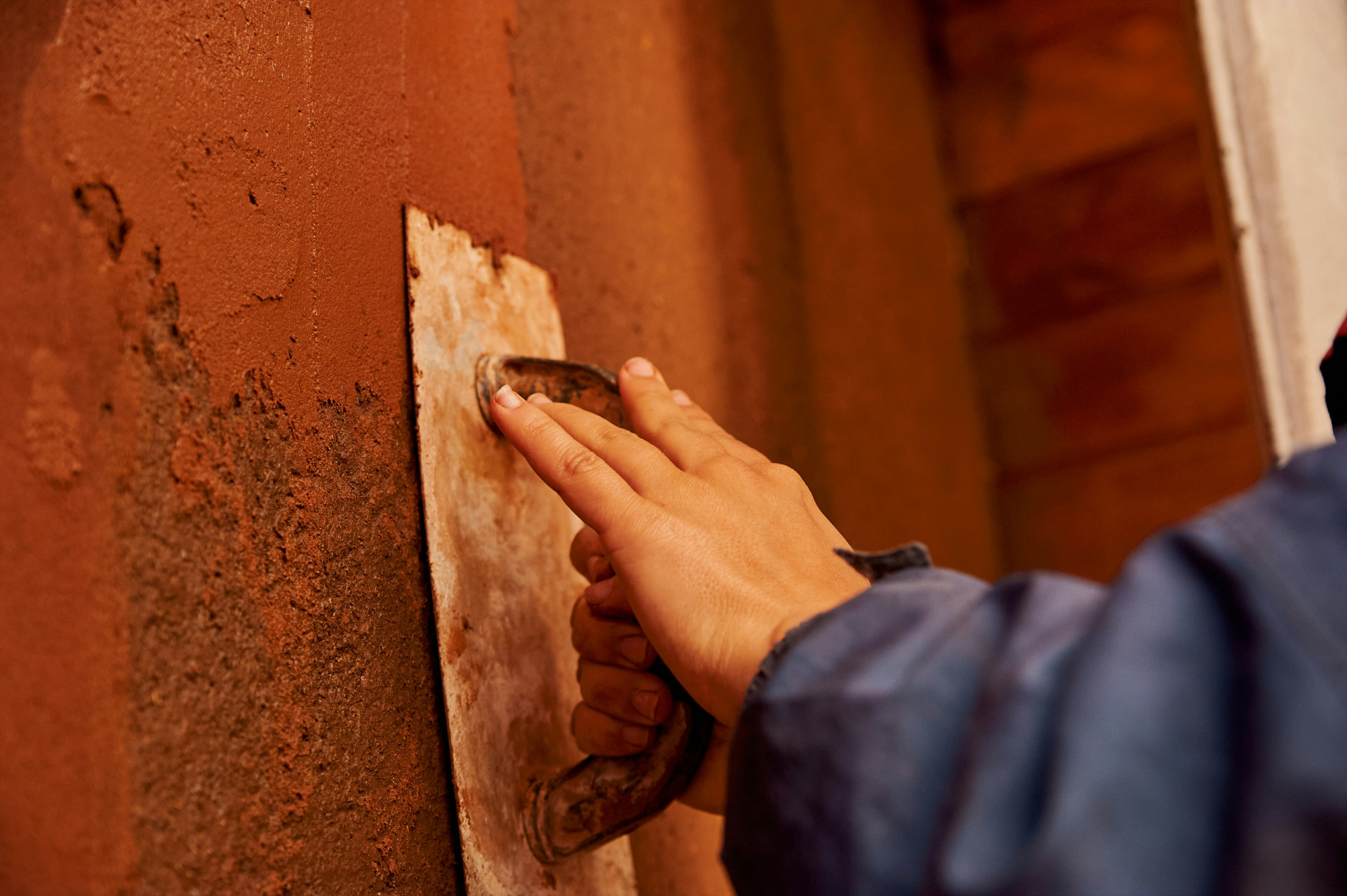
Keep your brickwork’s timeless charm while ensuring it stands strong for years to come
Bricklayer
Bricklayer
3 min
Learn how to maintain the natural patina of your masonry without compromising its durability. This guide offers practical advice for American homeowners on cleaning, repairing, and protecting brick facades while preserving their historic character.
Thiago Hernández
Thiago
Hernández

Preserve the Masonry’s Patina Without Compromising Durability

Keep your brickwork’s timeless charm while ensuring it stands strong for years to come
Bricklayer
Bricklayer
3 min
Learn how to maintain the natural patina of your masonry without compromising its durability. This guide offers practical advice for American homeowners on cleaning, repairing, and protecting brick facades while preserving their historic character.
Thiago Hernández
Thiago
Hernández

Old brickwork tells a story. The subtle color variations, the weathered texture, and the marks of time give a building its character and soul. But age also brings challenges: crumbling mortar, moisture absorption, and weakened facades. How can you preserve the authentic look of your masonry—the so-called patina—without sacrificing its strength? Here’s a guide for American homeowners on how to maintain and protect your brickwork while honoring its original appearance.

What Is Patina—and Why Is It Worth Preserving?

Patina is the natural surface change that develops over time. It may appear as gentle discoloration, softened edges, or a mellow glow in the bricks. For many homeowners, patina represents authenticity—a visible record of a building’s life and history.

But patina should not be confused with decay. There’s a difference between a beautifully aged surface and one that’s deteriorating due to moisture or frost. The goal is to preserve the former while preventing the latter.

Avoid Harsh Cleaning Methods

One of the most common mistakes is cleaning masonry too aggressively. High-pressure washing, sandblasting, or strong chemical cleaners can strip away not only dirt but also the protective surface that bricks develop over time. The result is often a bare, vulnerable wall that weathers faster.

Instead, choose gentle cleaning methods:

  • Use a soft brush and clean water for light dirt.
  • For algae or mildew, apply a mild, environmentally safe cleaner.
  • Avoid acids or solvents unless recommended by a preservation specialist.

The goal isn’t to make the masonry look brand new—it’s to remove what harms it while keeping its natural character intact.

Repair with Respect for the Original Materials

When mortar joints or bricks need repair, it’s crucial to use materials that match the original construction. Many historic American homes—especially those built before the mid-20th century—used lime-based mortar, which is softer and more breathable than modern Portland cement. Using a mortar that’s too hard can cause cracking and moisture damage.

Here’s what to keep in mind:

  • Identify the original mortar type before starting repairs.
  • Choose a mortar with similar strength, texture, and color.
  • If in doubt, consult a mason experienced in historic restoration.

A well-executed repair should blend seamlessly into the existing wall and significantly extend the masonry’s lifespan.

Protect Against Moisture—But Let the Wall Breathe

Moisture is masonry’s greatest enemy. It can enter through damaged joints, cracks, or rising damp from the ground. When trapped water freezes, it expands and can break both bricks and mortar. Keeping the wall dry is essential—but so is allowing it to breathe.

Avoid impermeable coatings such as acrylic paints or waterproof sealants that trap moisture inside. Instead:

  • Ensure proper drainage around the foundation.
  • Keep gutters and downspouts clean and functional.
  • Repair cracks and joints promptly.
  • If painting is necessary, use a breathable mineral or silicate-based paint.

This approach allows the masonry to absorb and release moisture naturally, maintaining both its durability and its patina.

Consider the Building’s Environment

Masonry weathers differently depending on its exposure. A south-facing wall may dry quickly under the sun, while a north-facing one stays damp and shaded. Regularly inspect the most exposed or vulnerable areas of your home.

Small preventive steps can make a big difference:

  • Trim vegetation away from the walls to allow airflow.
  • Avoid stacking firewood or outdoor furniture against the facade.
  • Grade the soil so that water drains away from the foundation.

By paying attention to the surroundings, you not only protect the masonry but also allow it to age gracefully.

When to Call a Professional

While many maintenance tasks can be handled by homeowners, it’s wise to have a professional evaluate your masonry periodically. A preservation mason or building inspector can identify early signs of damage and recommend the most appropriate, least invasive treatments.

Though it may seem like an extra expense, professional guidance often saves time and money in the long run—and helps preserve your home’s original charm.

Patina as Part of the Home’s Story

Preserving masonry’s patina isn’t about freezing time—it’s about allowing your home to age with dignity. A well-maintained wall with natural signs of age tells a story that no new facade can replicate. With care, respect for traditional materials, and consistent maintenance, you can ensure that your home remains both strong and beautiful for generations to come.

Get to Know Your House Through Working on the Foundation
Discover the hidden story of your home by exploring its foundation
Bricklayer
Bricklayer
Home Maintenance
Foundation Repair
Building Materials
House Restoration
DIY
4 min
The foundation is more than just concrete and stone—it’s the key to understanding how your house stands, breathes, and ages. Learn how working on your foundation can strengthen both your home and your connection to it.
Marco Stevens
Marco
Stevens
Cavity Wall Ventilation – How to Ensure Optimal Performance
Keep your home dry, energy-efficient, and damage-free with proper cavity wall ventilation
Bricklayer
Bricklayer
Cavity Wall
Home Maintenance
Ventilation
Moisture Control
Building Performance
3 min
Learn why cavity wall ventilation is crucial for preventing dampness, mold, and structural issues. This guide explains how to check, maintain, and optimize your wall vents to ensure lasting performance and a healthier indoor environment.
Chase Freeman
Chase
Freeman
Preserve the Masonry’s Patina Without Compromising Durability
Keep your brickwork’s timeless charm while ensuring it stands strong for years to come
Bricklayer
Bricklayer
Masonry
Home Maintenance
Restoration
Brickwork
Historic Preservation
3 min
Learn how to maintain the natural patina of your masonry without compromising its durability. This guide offers practical advice for American homeowners on cleaning, repairing, and protecting brick facades while preserving their historic character.
Thiago Hernández
Thiago
Hernández
Avoid Common Mistakes When Preparing for Stucco Work
Ensure a flawless stucco finish by mastering the essential preparation steps
Bricklayer
Bricklayer
Stucco
Home Improvement
DIY
Exterior Finishing
Construction Tips
7 min
Proper preparation is the key to durable, beautiful stucco work. Learn how to avoid the most common mistakes that can lead to cracks, poor adhesion, and costly repairs—so your next stucco project stands the test of time.
Lucas Young
Lucas
Young
Reuse Excess Materials from Foundation Repairs Responsibly
Turn leftover foundation materials into useful resources instead of waste
Bricklayer
Bricklayer
Foundation Repair
Sustainable Building
Home Improvement
Waste Reduction
Eco-Friendly Practices
4 min
Learn how to make the most of excess materials from your foundation repair projects. From reusing concrete and rebar to safe disposal and donation options, discover practical ways to reduce waste and support sustainable building practices.
Kayla Gonzalez
Kayla
Gonzalez
Overview: Barbecue cutlery in many varieties and materials
Complete the barbecue experience with the right cutlery for summer meals
Furniture
Furniture
Barbecue cutlery
Grill
Outdoor living
Table setting
Garden inspiration
2 min
Barbecue cutlery is both practical and decorative. In this article, you get an overview of different types, materials, and designs so you can find the set that best suits your grill and your outdoor dining table.
Marco Stevens
Marco
Stevens
Cushions – get an overview of different types and materials
Make your chairs and seating more comfortable with the right cushion
Furniture
Furniture
Cushions
Chairs
Comfort
Interior design
Materials
7 min
Cushions provide both comfort and style to your chairs. In this article, you’ll get an overview of different types and materials so you can find the cushions that best suit your home and your needs.
Chase Freeman
Chase
Freeman
Find inspiration among many types of coasters
Make the table setting both practical and decorative with the right coasters
Furniture
Furniture
Coasters
Kitchen
Interior
Home
Design
6 min
Coasters not only protect the table from heat but can also be a stylish element in the decor. Get inspiration for different materials, shapes and designs, and find coasters that suit your personal style.
Thiago Hernández
Thiago
Hernández