Get to Know Your House Through Working on the Foundation

Get to Know Your House Through Working on the Foundation
The foundation is the hidden backbone of your home – the crucial link between the ground and the structure above. It’s easy to overlook, but when you work on your foundation, you gain more than just a stronger house. You begin to understand how your home was built, how it responds to weather, and how time leaves its mark.
The Foundation as the House’s Mirror
Your foundation often reveals the true condition of your home. Cracks, flaking concrete, or damp spots aren’t just cosmetic issues – they can signal settling, water intrusion, or poor drainage. By examining the foundation, you can read your home’s story: Is it poured concrete, concrete block, or stone? Each type tells something about when the house was built and what materials are best for repair.
A mid-century home with a poured concrete foundation, for example, may need different care than an older stone foundation. Understanding the difference helps you choose the right repair methods and avoid long-term damage.
Moisture – The Invisible Enemy
Moisture is the foundation’s greatest threat. It can rise from the soil, seep in from rain, or condense from inside the basement. When you work on your foundation, it’s essential to understand how water moves around and through your home.
Check that the ground slopes away from the house so rainwater drains properly. Inspect gutters and downspouts to ensure they direct water at least several feet from the foundation. Look for white, powdery deposits on basement walls – a sign that moisture is evaporating through the concrete and leaving behind mineral salts. That’s your cue to improve drainage or ventilation.
Repair with Respect for the Materials
Repairing a foundation isn’t just about making it look good. It’s about preserving the materials and function that keep your home stable. Use repair products that are compatible with the existing structure. For example, a rigid cement patch on an older, more flexible stone foundation can lead to cracking and spalling because the materials expand and contract differently.
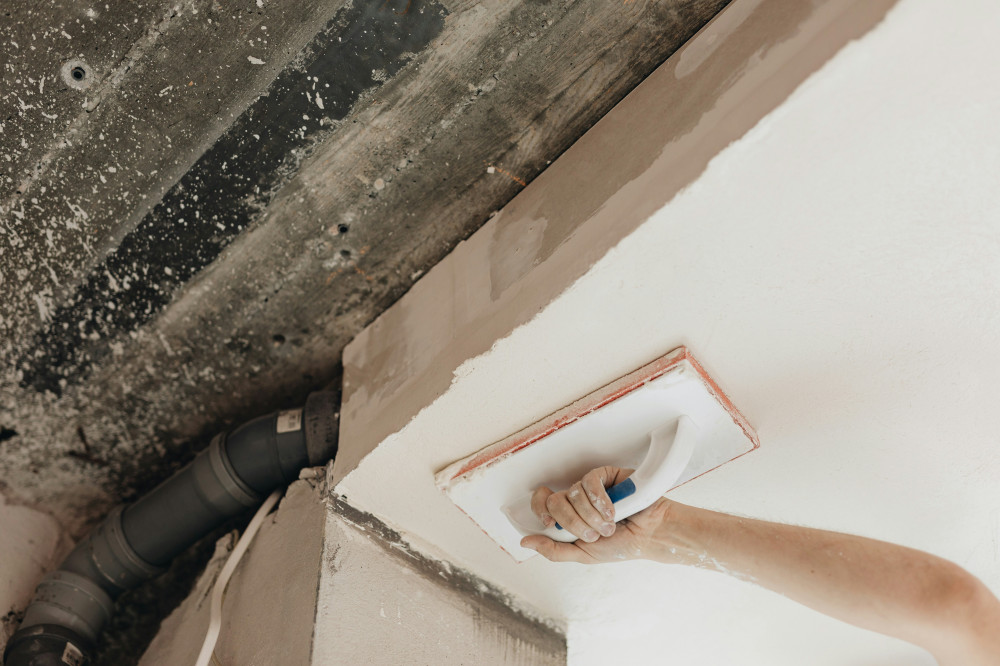
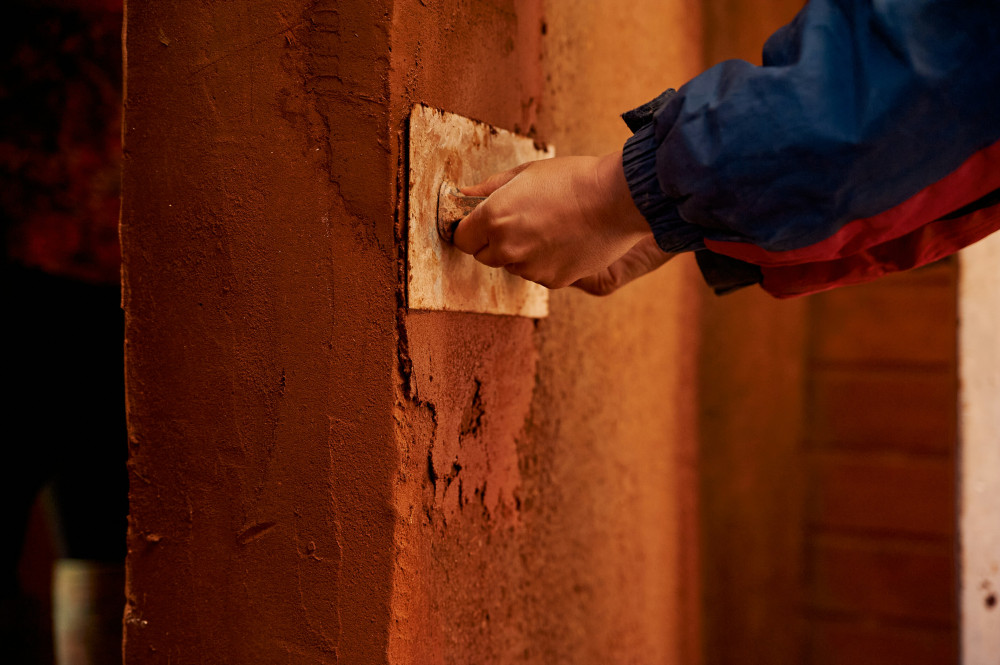
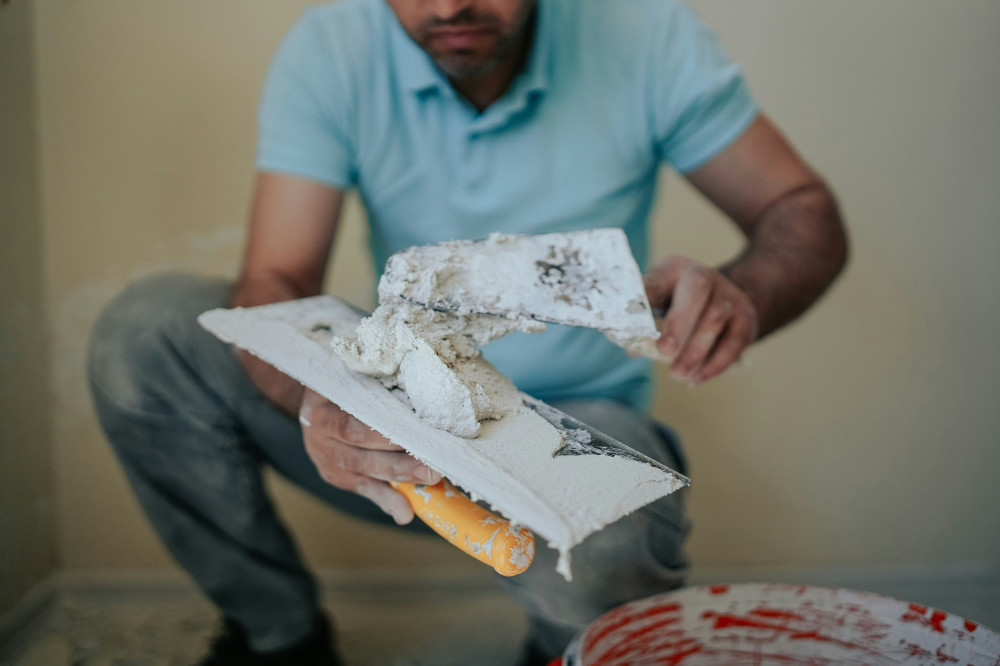
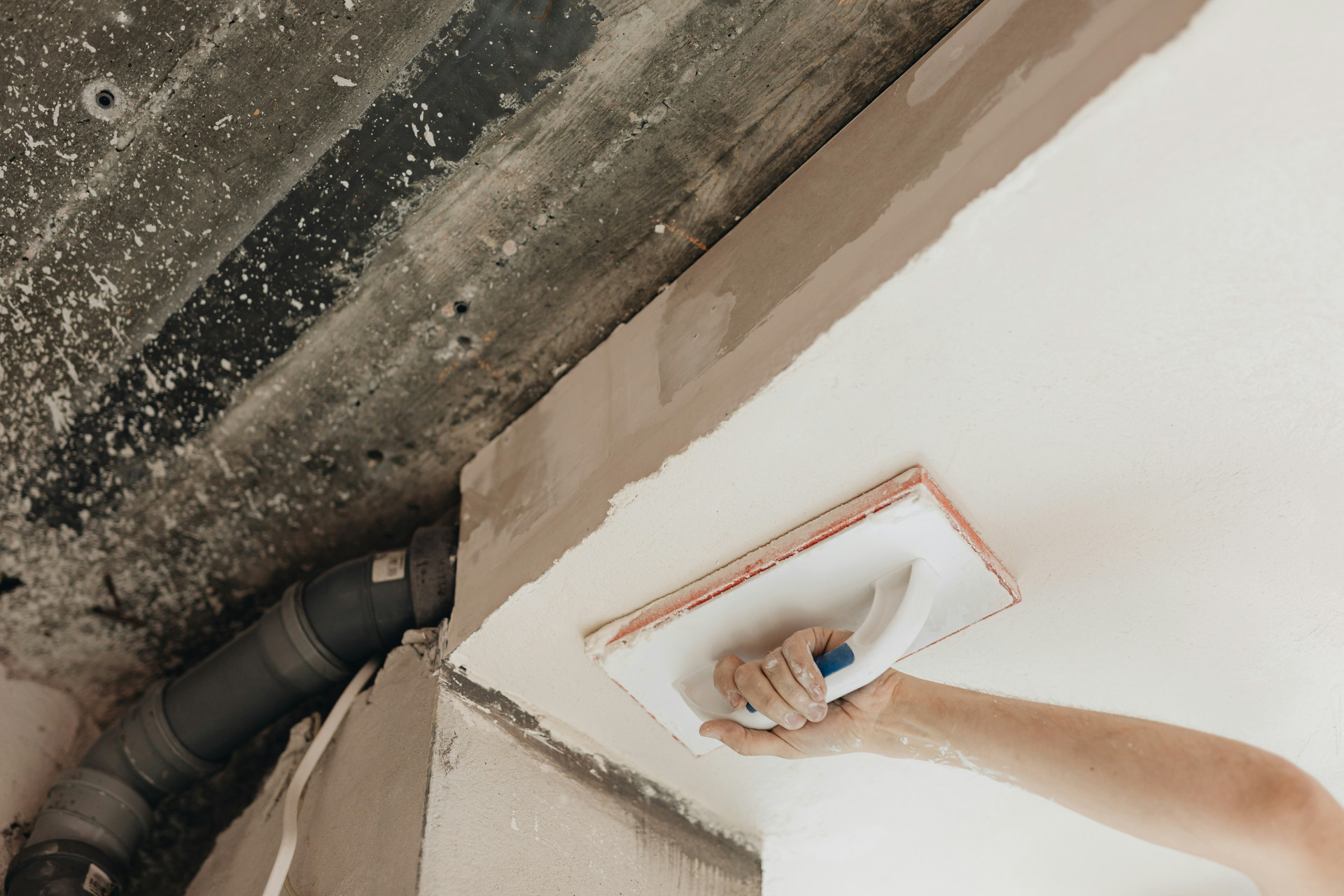
Start by cleaning the surface with a stiff brush to remove loose debris – avoid high-pressure washing, which can damage the concrete. Fill cracks with a suitable patching compound or hydraulic cement, depending on the type of foundation. If you’re sealing the exterior, choose a breathable coating that protects against water but still allows moisture to escape.
Læs også:
The Foundation’s Aesthetic – More Than Function
While the foundation’s main job is structural, it also affects how your home looks. A well-maintained foundation gives the house a solid, balanced appearance. The color, texture, and transition between the foundation and siding can enhance the overall design.
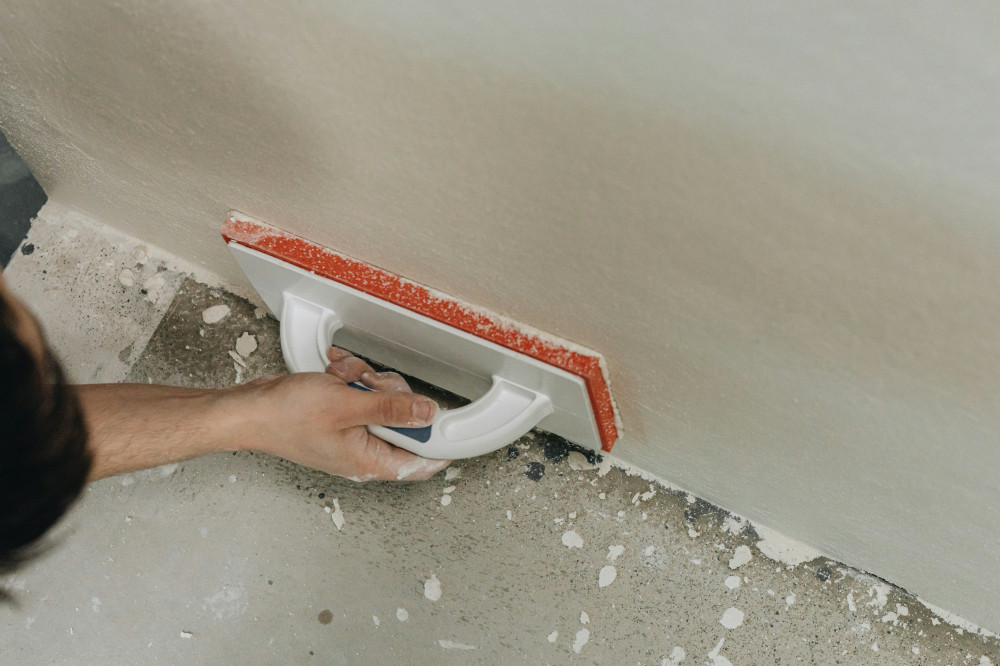
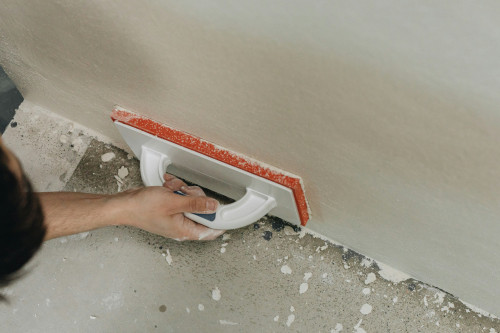
Consider whether to paint, parge, or leave the foundation exposed. A darker tone can visually anchor the house, while a lighter shade can make it appear taller and lighter. Always choose coatings designed for masonry, and avoid dense, plastic-based paints that trap moisture.
Learning Your Home Through Your Hands
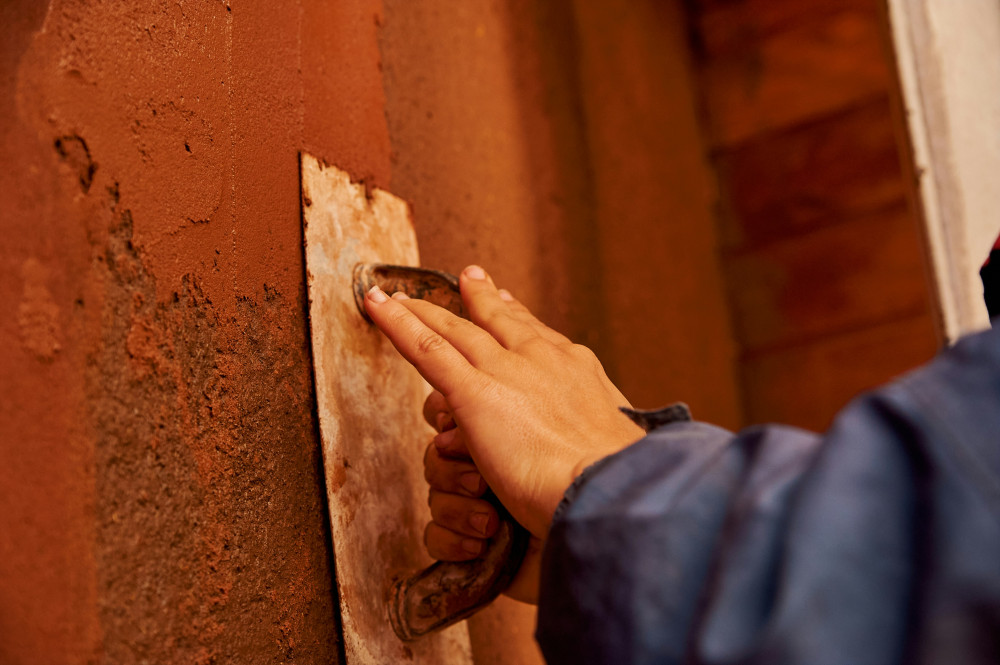
Working on your foundation is a hands-on way to connect with your home. You feel the materials, notice the details, and discover small signs that might otherwise go unseen. It’s a kind of learning that goes beyond technical knowledge – an understanding of how your house lives and changes over time.
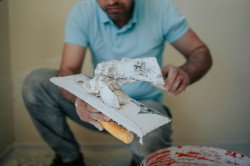
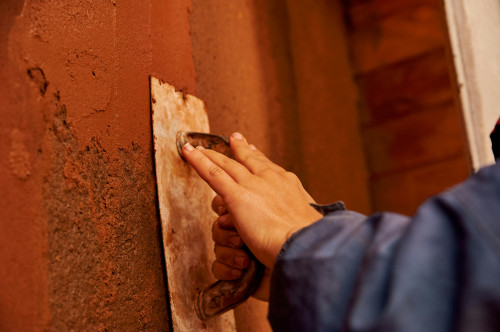
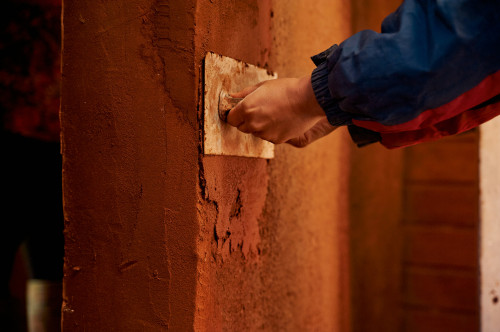
When you’re down at ground level, trowel in hand, watching the foundation take shape again, you’re not just maintaining your home – you’re reading it. And that insight may be the most valuable thing you gain as a homeowner.
Læs også: