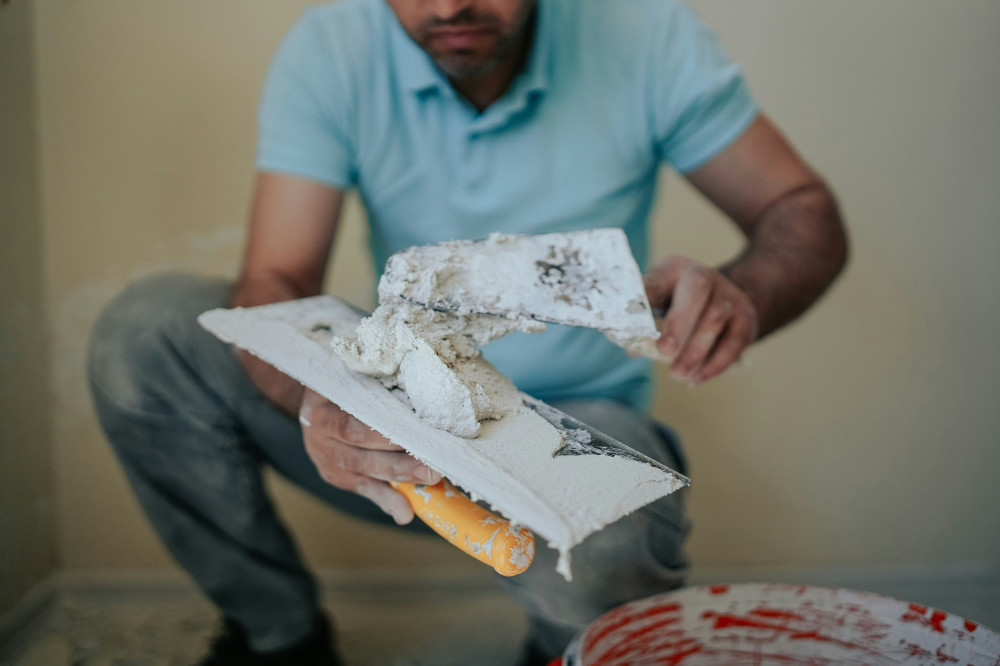
Freshen Up Your Home: Easy DIY Projects
Get inspiration for easy DIY tasks that can give your home a breath of fresh air. This ebook contains step-by-step guides to help you transform spaces and details without breaking the bank.
Read now

Avoid Common Mistakes When Preparing for Stucco Work

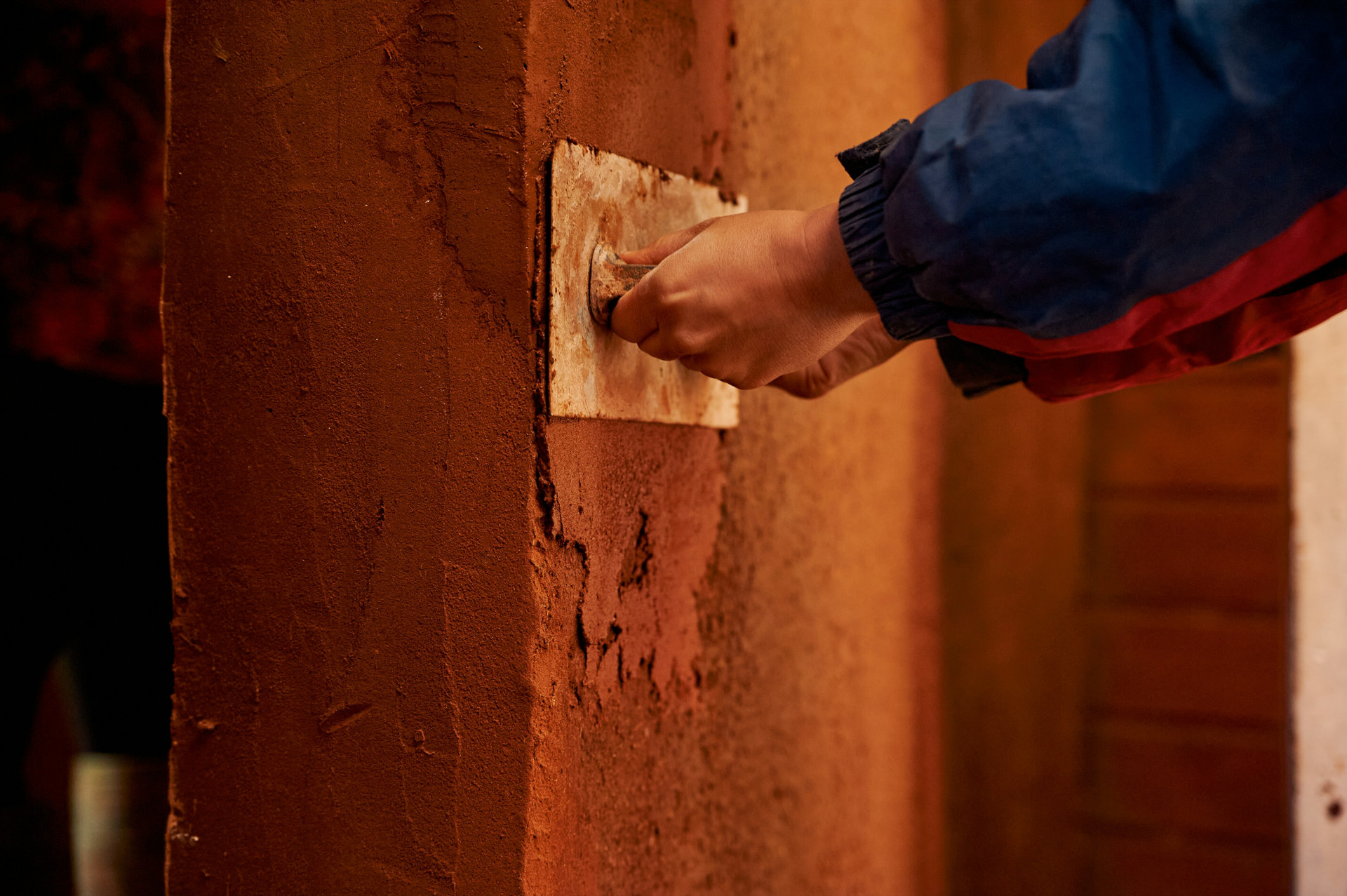
Ensure a flawless stucco finish by mastering the essential preparation steps
Bricklayer
Bricklayer
7 min
Proper preparation is the key to durable, beautiful stucco work. Learn how to avoid the most common mistakes that can lead to cracks, poor adhesion, and costly repairs—so your next stucco project stands the test of time.
Lucas Young
Lucas
Young

Avoid Common Mistakes When Preparing for Stucco Work

Ensure a flawless stucco finish by mastering the essential preparation steps
Bricklayer
Bricklayer
7 min
Proper preparation is the key to durable, beautiful stucco work. Learn how to avoid the most common mistakes that can lead to cracks, poor adhesion, and costly repairs—so your next stucco project stands the test of time.
Lucas Young
Lucas
Young

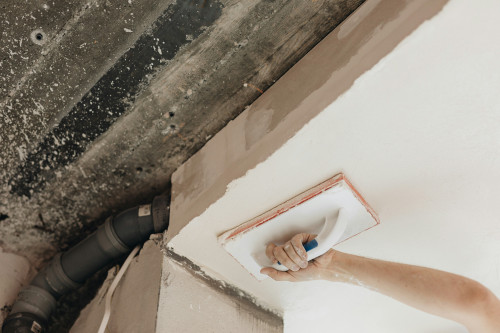
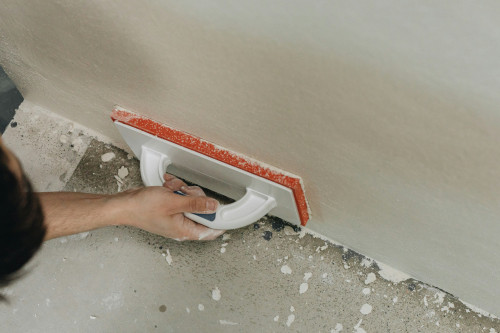
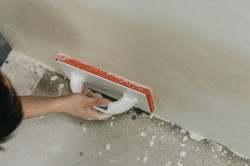
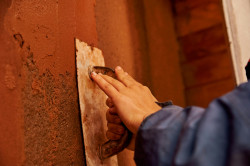
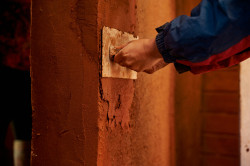
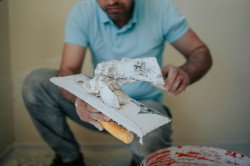
A beautiful and long-lasting stucco finish starts well before the first trowel of plaster touches the wall. Many homeowners and DIY enthusiasts underestimate how crucial proper preparation is—and that can cost time, money, and the quality of the final result. A well-prepared surface ensures that stucco adheres properly, resists cracking, and protects your home from moisture and temperature changes. Here’s a look at the most common preparation mistakes—and how to avoid them.

1. Skipping the Cleaning Step

One of the most frequent mistakes is applying stucco directly over a dirty or painted surface. Dust, grease, old paint, or mildew prevent the stucco from bonding properly, leading to peeling or delamination.

What to do instead: Clean the surface thoroughly with a stiff brush and water. For mildew or algae, use a mild cleaning solution designed for masonry. Avoid using a pressure washer too close to the wall, as it can damage mortar joints. Let the surface dry completely before moving on.

2. Ignoring Cracks and Loose Areas

Even small cracks or hollow spots can cause major problems later. If the substrate isn’t stable, the stucco will crack or separate as the wall expands and contracts with temperature and humidity.

What to do instead: Tap the wall lightly with a hammer—if it sounds hollow, remove the loose material. Repair cracks and damaged areas with patching compound or mortar, and allow it to cure before applying stucco. A solid, even base is essential for a durable finish.

3. Forgetting to Dampen the Surface

A dry wall will absorb water from the stucco too quickly, preventing proper curing and adhesion. This can lead to weak spots and surface cracks.

What to do instead: Lightly mist the wall with water a few hours before applying stucco, and again just before you start. The surface should be damp but not dripping wet. In hot or dry climates, you may need to mist more frequently to maintain the right moisture level.

4. Using the Wrong Stucco Mix

Not all stucco mixes are suitable for every type of wall. Using a mix that’s too hard on a soft substrate can cause cracking, while a mix that’s too weak may not provide enough protection.

What to do instead: Choose a stucco mix that matches your wall type and local climate. For older homes, a lime-based stucco may be more appropriate, while newer construction often uses cement-based products. Always follow the manufacturer’s recommendations or consult a professional if you’re unsure.

5. Skipping the Bonding Agent

On smooth or previously painted surfaces, stucco won’t adhere properly without a bonding agent or lath system.

What to do instead: Apply a suitable bonding agent or install metal lath over the surface before applying stucco. This step is especially important when working over concrete, painted masonry, or mixed materials.

6. Ignoring Weather Conditions

Temperature and humidity have a major impact on how stucco cures. Applying stucco in direct sunlight, freezing temperatures, or during rain can ruin the finish.

What to do instead: Plan your project for mild, dry weather—ideally between 50°F and 80°F. Protect the wall with tarps or shade cloth if rain or strong sun is expected. Never apply stucco when temperatures are below freezing or expected to drop overnight.

7. Overlooking Surface Absorption Differences

Different materials—brick, block, or existing stucco—absorb water at different rates. If you don’t account for this, the stucco may dry unevenly, leading to color variations or cracks.

What to do instead: Test the surface by spraying a small amount of water. If it soaks in immediately, pre-dampen more thoroughly. If it beads up, a light misting is enough. Consistent moisture levels across the wall help ensure an even finish.

8. Neglecting Protection and Cleanup

Many people focus only on the stucco itself and forget to protect windows, doors, and landscaping. This can lead to unnecessary cleanup and damage.

What to do instead: Cover windows, trim, and nearby surfaces with plastic sheeting or painter’s tape. Make sure scaffolding is stable and that you have clear access to all areas. Taking time to prepare your workspace will save hours of cleanup later.

Good Preparation Pays Off

Stucco work isn’t just about applying material—it’s about patience and attention to detail. Most problems arise because steps are skipped or rushed. By taking the time to clean, repair, and prepare your surface properly, you’ll achieve a finish that looks great and lasts for years.

Get to Know Your House Through Working on the Foundation
Discover the hidden story of your home by exploring its foundation
Bricklayer
Bricklayer
Home Maintenance
Foundation Repair
Building Materials
House Restoration
DIY
4 min
The foundation is more than just concrete and stone—it’s the key to understanding how your house stands, breathes, and ages. Learn how working on your foundation can strengthen both your home and your connection to it.
Marco Stevens
Marco
Stevens
Cavity Wall Ventilation – How to Ensure Optimal Performance
Keep your home dry, energy-efficient, and damage-free with proper cavity wall ventilation
Bricklayer
Bricklayer
Cavity Wall
Home Maintenance
Ventilation
Moisture Control
Building Performance
3 min
Learn why cavity wall ventilation is crucial for preventing dampness, mold, and structural issues. This guide explains how to check, maintain, and optimize your wall vents to ensure lasting performance and a healthier indoor environment.
Chase Freeman
Chase
Freeman
Preserve the Masonry’s Patina Without Compromising Durability
Keep your brickwork’s timeless charm while ensuring it stands strong for years to come
Bricklayer
Bricklayer
Masonry
Home Maintenance
Restoration
Brickwork
Historic Preservation
3 min
Learn how to maintain the natural patina of your masonry without compromising its durability. This guide offers practical advice for American homeowners on cleaning, repairing, and protecting brick facades while preserving their historic character.
Thiago Hernández
Thiago
Hernández
Avoid Common Mistakes When Preparing for Stucco Work
Ensure a flawless stucco finish by mastering the essential preparation steps
Bricklayer
Bricklayer
Stucco
Home Improvement
DIY
Exterior Finishing
Construction Tips
7 min
Proper preparation is the key to durable, beautiful stucco work. Learn how to avoid the most common mistakes that can lead to cracks, poor adhesion, and costly repairs—so your next stucco project stands the test of time.
Lucas Young
Lucas
Young
Reuse Excess Materials from Foundation Repairs Responsibly
Turn leftover foundation materials into useful resources instead of waste
Bricklayer
Bricklayer
Foundation Repair
Sustainable Building
Home Improvement
Waste Reduction
Eco-Friendly Practices
4 min
Learn how to make the most of excess materials from your foundation repair projects. From reusing concrete and rebar to safe disposal and donation options, discover practical ways to reduce waste and support sustainable building practices.
Kayla Gonzalez
Kayla
Gonzalez
Overview: Barbecue cutlery in many varieties and materials
Complete the barbecue experience with the right cutlery for summer meals
Furniture
Furniture
Barbecue cutlery
Grill
Outdoor living
Table setting
Garden inspiration
2 min
Barbecue cutlery is both practical and decorative. In this article, you get an overview of different types, materials, and designs so you can find the set that best suits your grill and your outdoor dining table.
Marco Stevens
Marco
Stevens
Cushions – get an overview of different types and materials
Make your chairs and seating more comfortable with the right cushion
Furniture
Furniture
Cushions
Chairs
Comfort
Interior design
Materials
7 min
Cushions provide both comfort and style to your chairs. In this article, you’ll get an overview of different types and materials so you can find the cushions that best suit your home and your needs.
Chase Freeman
Chase
Freeman
Find inspiration among many types of coasters
Make the table setting both practical and decorative with the right coasters
Furniture
Furniture
Coasters
Kitchen
Interior
Home
Design
6 min
Coasters not only protect the table from heat but can also be a stylish element in the decor. Get inspiration for different materials, shapes and designs, and find coasters that suit your personal style.
Thiago Hernández
Thiago
Hernández