The Structure of Hardwood Floors: How the Surface Affects Appearance and Maintenance

The Structure of Hardwood Floors: How the Surface Affects Appearance and Maintenance
A hardwood floor is more than just a practical surface—it’s a defining element of a home’s character and atmosphere. The texture, treatment, and finish of the wood all play a major role in how the floor looks, feels, and wears over time. A smooth, glossy finish creates a very different impression than a hand-scraped or wire-brushed surface, and the choice is about more than style—it’s also about durability and upkeep. Let’s take a closer look at how the structure of a hardwood floor influences both its appearance and maintenance.
What Does “Structure” Mean?
When we talk about the structure of a hardwood floor, we’re referring to the texture and feel of the surface. This can range from perfectly smooth to deeply textured, depending on how the wood is processed after sanding.
- Smooth surfaces offer a sleek, refined look where the grain is visible but the texture is even and polished.
- Wire-brushed surfaces highlight the natural grain and create a more rustic, organic feel.
- Hand-scraped or saw-cut textures add depth and character, giving the floor a timeworn, handcrafted appearance that suits traditional or farmhouse-style interiors.
The structure affects not only how the floor looks but also how it feels underfoot—and how well it hides everyday wear and tear.
The Role of Surface Finishes
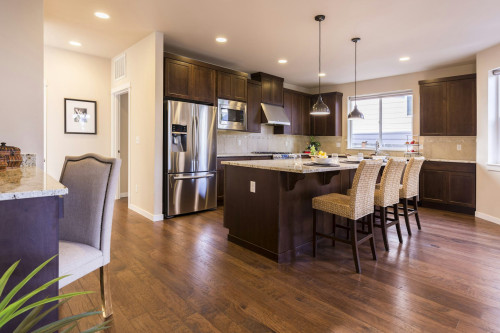
A hardwood floor’s finish protects it from moisture, stains, and scratches, while also shaping its overall look. The most common finishes in the U.S. are polyurethane, oil, and hardwax oil.
- Polyurethane finishes (available in water- or oil-based versions) create a sealed surface that’s easy to clean and highly resistant to spills. They’re ideal for busy households but can show scratches more easily, especially on darker or high-gloss floors.
- Oil finishes penetrate the wood, enhancing its natural color and grain while leaving a more matte, organic appearance. They require periodic re-oiling but are easier to touch up locally when small areas get worn.
- Hardwax oil finishes combine the benefits of both—a natural look with added protection—and are becoming increasingly popular for homeowners who want a balance between beauty and practicality.
Choosing the right finish depends on lifestyle and expectations. A family with kids and pets might prioritize durability and easy cleaning, while a quieter household may prefer the warmth and authenticity of an oiled surface.
Læs også:

How Texture and Maintenance Interact
The more textured a floor is, the better it tends to hide dust, scratches, and small dents. That makes wire-brushed or hand-scraped floors a smart choice for high-traffic areas like entryways or living rooms. Smooth, glossy floors, on the other hand, are perfect for spaces where you want a clean, elegant look.
However, textured surfaces can trap dirt more easily, so they need a bit more attention when cleaning. Regular vacuuming with a soft-bristle attachment and occasional damp mopping with a hardwood-safe cleaner will keep the floor looking its best.
Light, Color, and Texture in Harmony
The structure of a hardwood floor also affects how light interacts with the space. Smooth, glossy finishes reflect more light, making rooms appear brighter and more open. Matte or textured finishes absorb light, creating a softer, cozier atmosphere.
Color and texture work together to define the mood of a room. Light-colored woods with fine textures feel airy and modern, while darker, more pronounced grains add depth and sophistication. It’s always a good idea to view samples in the actual room where the floor will be installed, since natural light can dramatically change how the color and texture appear.
Choosing the Right Structure for Your Home
When selecting a hardwood floor, consider both aesthetics and practicality. Ask yourself:
- How much foot traffic will the floor experience?
- Do you prefer a sleek, contemporary look or a more natural, rustic feel?
- How much time are you willing to spend on maintenance?
The best choice is one that fits your lifestyle. A beautiful floor should not only look good—it should also work for the way you live.
A Living Material That Evolves Over Time
No matter which texture or finish you choose, hardwood is a living material that changes with time. Sunlight, humidity, and daily use will gradually alter its color and sheen. That’s part of its charm—a hardwood floor tells the story of the home it belongs to.
With proper care, a hardwood floor can last for generations, maintaining its beauty and character whether you prefer a smooth, modern surface or a richly textured, timeworn look.
Læs også: