Designer Floors as a Central Element in Home Renovation

Designer Floors as a Central Element in Home Renovation
When planning a home renovation, most people focus on walls, kitchens, and bathrooms. Yet the floor is what truly ties a home together—both visually and functionally. A designer floor can transform the character of a room, create flow between spaces, and give the entire home a cohesive, modern look. That’s why more homeowners across the United States are choosing to make the floor the centerpiece of their renovation projects.
The Floor as the Foundation of Interior Design
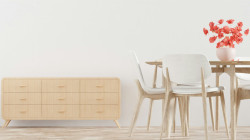
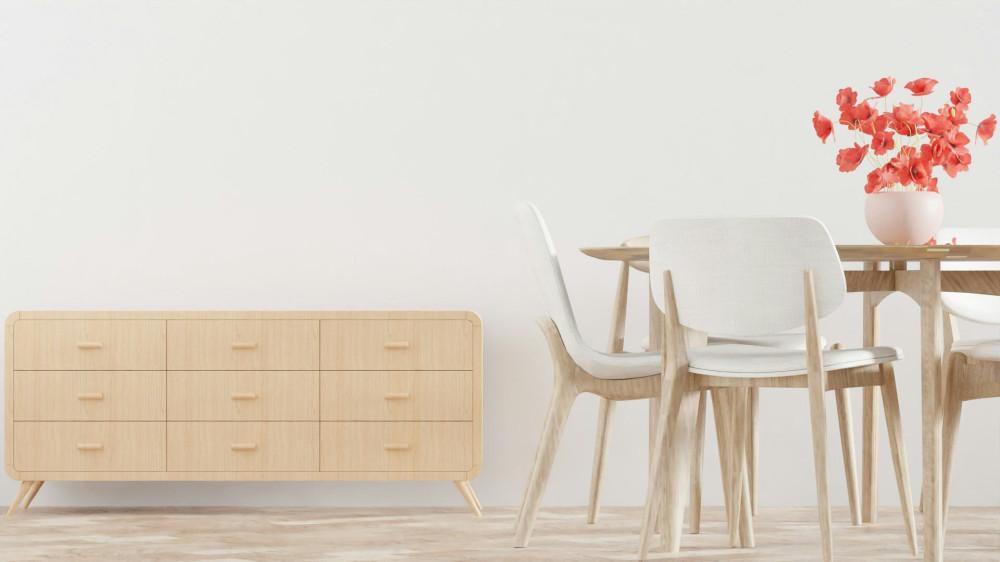
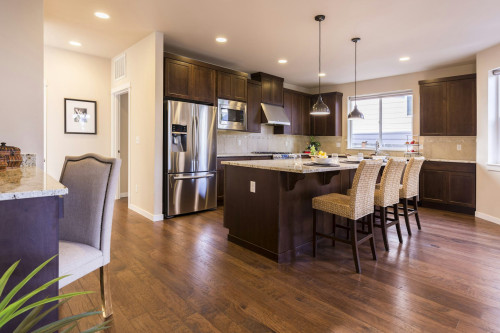
A floor is more than just a surface to walk on—it’s the largest design element in any room. Its color, texture, and material influence how light behaves and how furniture and décor are perceived. A light oak floor can make a space feel open and airy, while a dark walnut or polished concrete floor can add depth and sophistication.
When planning a renovation, it often makes sense to start with the floor. It becomes the base upon which the rest of the design is built. Many interior designers recommend selecting the flooring material and tone before choosing wall colors or furniture, ensuring a harmonious and balanced result.
Materials That Combine Style and Function
Designer floors come in a wide range of materials, each offering unique aesthetic and practical benefits.
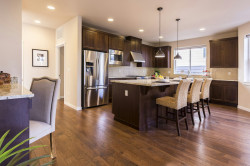
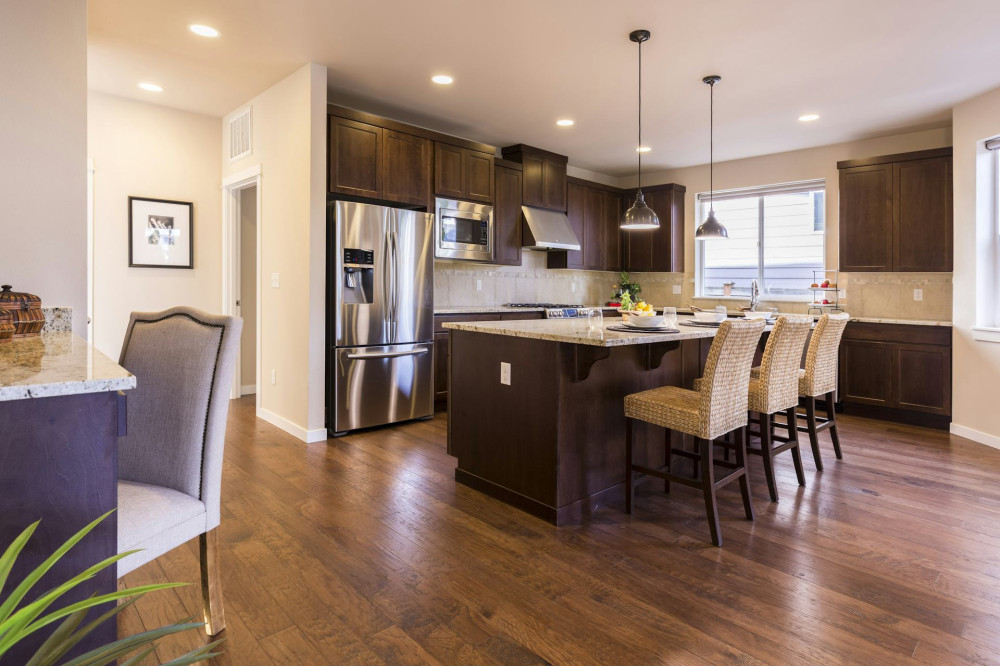
- Hardwood floors bring warmth and timeless appeal. Options like white oak, maple, and hickory are popular in American homes for their durability and natural beauty.
- Luxury vinyl plank (LVP) and laminate offer the look of wood or stone with added resilience and easy maintenance—ideal for busy households or homes with pets.
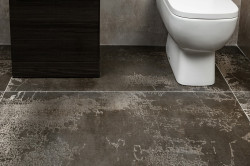
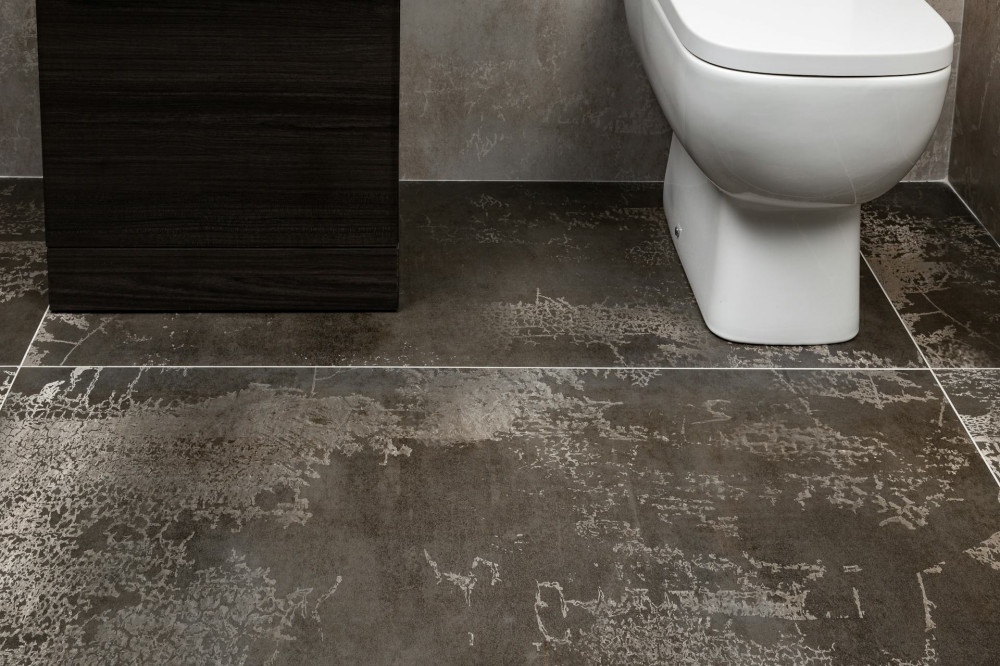
- Polished concrete and epoxy floors are favorites in modern and industrial-style homes. They provide a seamless, minimalist look and are extremely durable, though they require professional installation.
- Cork and linoleum are eco-friendly alternatives that combine comfort underfoot with a natural aesthetic.
The key is to match the material to the room’s function. A kitchen or entryway floor should handle moisture and heavy traffic, while a bedroom floor can prioritize comfort and warmth.
Læs også:

Color and Pattern as Design Tools
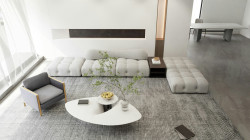
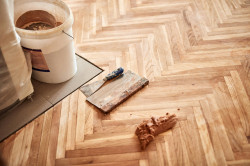
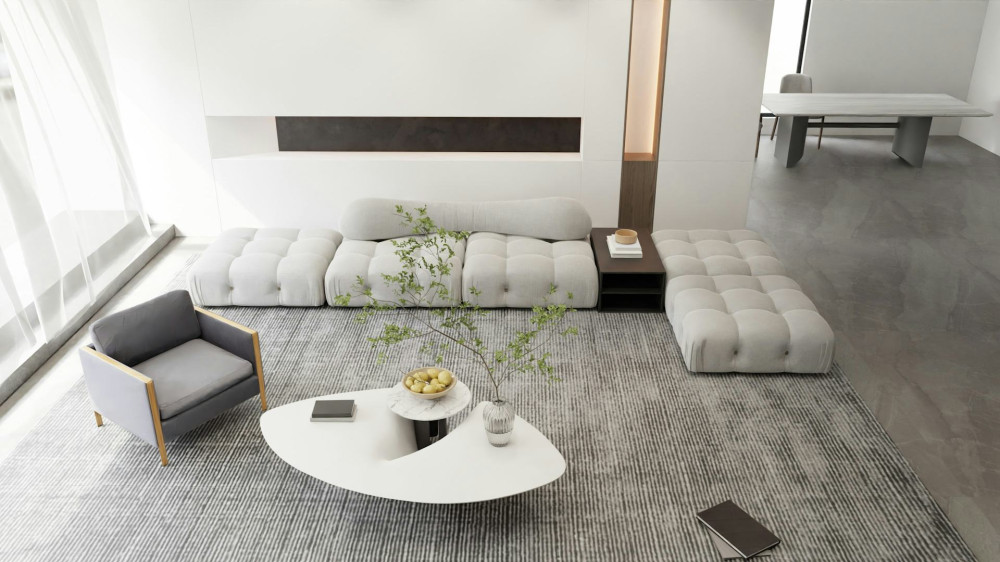
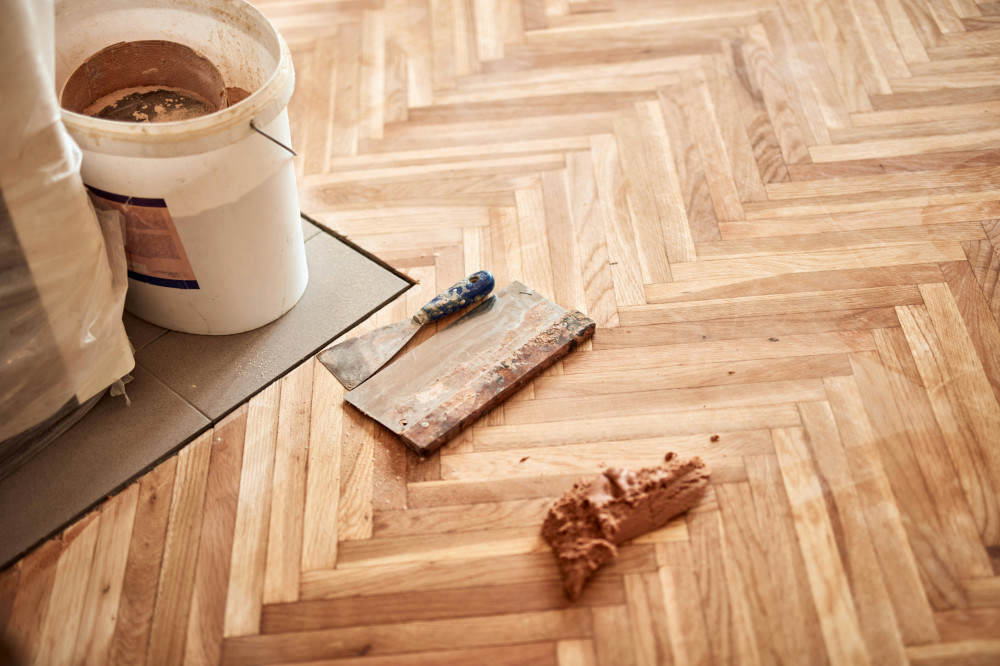
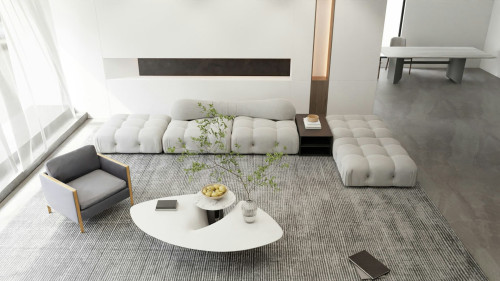
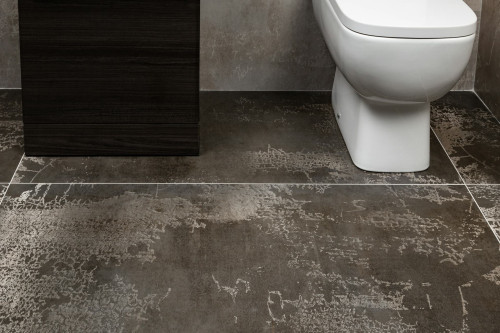
A designer floor can be subtle or bold. Patterned hardwood installations—like herringbone or chevron—are making a comeback, adding a touch of classic elegance. In contemporary homes, large-format tiles or smooth concrete in soft gray tones create a calm, cohesive atmosphere.
Color plays a major role in how a space feels. Light floors reflect more light and make rooms appear larger, while darker tones add contrast and intimacy. Some homeowners even experiment with colored epoxy or patterned tiles to express creativity and personality. The goal is to strike a balance between individuality and timeless design.
Sustainability and Longevity
As sustainability becomes a priority for many American homeowners, eco-conscious flooring options are gaining attention. Certified hardwood, recycled materials, and low-VOC finishes allow you to combine design with environmental responsibility. A high-quality floor that lasts for decades is, in itself, a sustainable investment—both financially and ecologically.
Energy efficiency also plays a role. Properly insulated floors and radiant heating systems can improve comfort and reduce energy costs, especially in colder climates. Pairing underfloor heating with engineered wood or concrete can create a cozy, efficient living environment.
How to Choose the Right Designer Floor
When selecting flooring for your renovation, consider the following:
- Overall design vision: How will the floor complement your walls, furniture, and lighting?
- Durability and maintenance: How much wear and tear will the space experience?
- Comfort: Do you prefer a warm, soft surface or a cool, sleek one?
- Budget: Factor in not only the material cost but also installation and underlayment.
- Longevity: Choose a design and material you’ll still love years from now.
A designer floor is an investment in both beauty and functionality. It can elevate the entire look of your home and create a sense of quality that you’ll appreciate every day.
The Quiet Centerpiece of the Home
When the renovation is complete and the furniture is in place, it’s often the floor that quietly unites everything. A well-chosen designer floor gives a room character, calm, and cohesion. It’s the foundation upon which the rest of your home rests—and it deserves to be a central element in any home renovation.
Læs også: