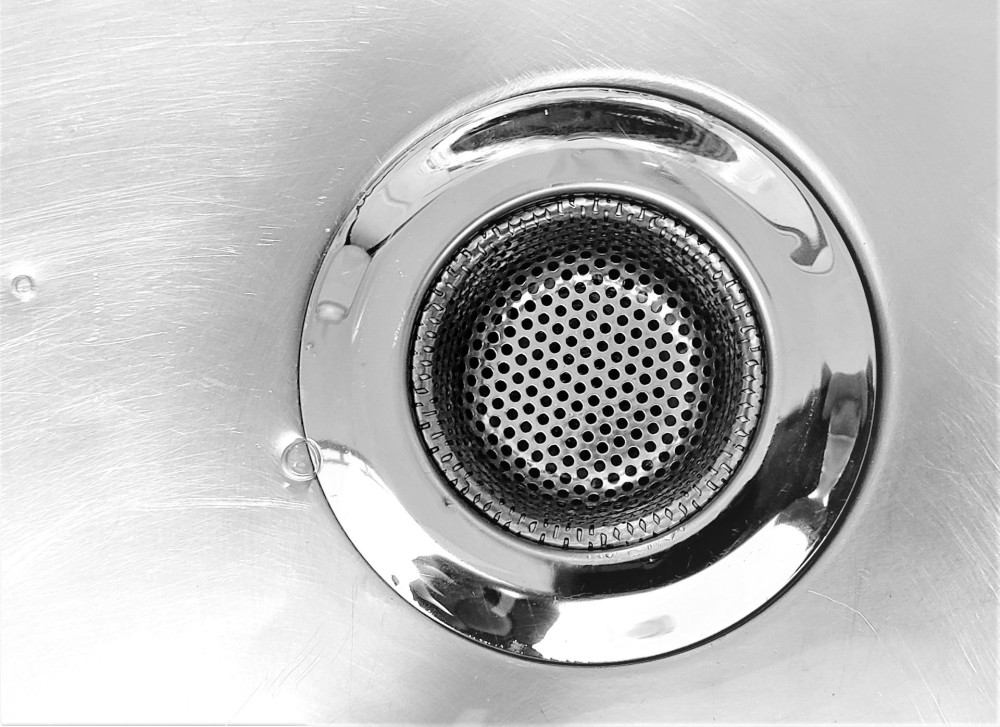
Slow Drain? It Could Be a Sign of Hidden Sewer Damage

Slow Drain? It Could Be a Sign of Hidden Sewer Damage
A slow drain in your sink, shower, or toilet might seem like a small inconvenience. But in some cases, it can be an early warning sign of more serious issues lurking in your home’s sewer line. Hidden damage such as cracks, misaligned pipes, or invading tree roots can develop over time and lead to water damage, foul odors, and costly repairs. Here’s what to look for—and how to address the problem before it gets worse.
When Water Doesn’t Flow as It Should
A properly functioning drain should carry water away quickly and smoothly. If you notice water pooling in your sink or shower, it could be a simple clog—but it might also point to a deeper issue in your plumbing system.
Common signs of developing sewer problems include:
- Water draining slowly even after cleaning the trap.
- Gurgling sounds from drains or toilets.
- Persistent sewer odors, even after cleaning.
- Repeated clogs in multiple drains at once.
If several drains in your home are affected simultaneously, the problem likely lies deeper in the main sewer line rather than in a single fixture.
Hidden Causes Beneath the Surface
Your home’s sewer line runs underground, where it’s exposed to shifting soil, root growth, and natural wear over time. These factors can cause pipes to crack, collapse, or become blocked. The most common causes of hidden sewer damage include:
- Pipe misalignment – Ground movement or settling can cause joints to shift, restricting water flow.
- Cracks and breaks – Older clay or cast-iron pipes can crack, allowing soil and roots to enter.
- Root intrusion – Tree roots naturally seek moisture and can grow into pipes, creating blockages.
- Grease buildup – Fats, oils, and soap residue from kitchen drains can accumulate and harden inside pipes.
Because these issues develop gradually, they often go unnoticed until symptoms become obvious.
How to Get a Clear Picture: Sewer Camera Inspection
If you suspect hidden damage, a sewer camera inspection is the most effective way to find out what’s going on. A licensed plumber feeds a small camera through your pipes, allowing them to see exactly where the problem is and how severe it might be.
This inspection provides a visual record that helps plan the right repair or replacement. Many homeowners’ insurance policies or home warranty companies may also require documentation from a camera inspection before covering sewer-related damage.
Repair and Prevention
Depending on the extent of the damage, solutions can range from a simple cleaning to a full sewer line replacement. In many cases, pipes can be rehabilitated using trenchless technology—a method that installs a new lining inside the old pipe without digging up your yard. It’s often faster, cleaner, and less disruptive than traditional excavation.
To help prevent future problems:
- Never pour grease, oil, or food scraps down the drain.
- Flush only toilet paper—avoid wipes, paper towels, or hygiene products.
- Have your sewer line inspected periodically, especially if your home is older.
- Keep trees and large shrubs away from sewer lines to reduce root intrusion.
- Make sure rainwater drains away from your foundation to prevent overloading the system.
Læs også:
When to Call a Professional
If you’re dealing with recurring clogs, unpleasant odors, or unexplained dampness, it’s time to call a licensed plumber or sewer specialist. While chemical drain cleaners might offer temporary relief, they rarely solve the underlying issue—and can even damage your pipes further.
A professional can quickly determine whether you’re facing a simple blockage or a more serious structural problem and recommend the best course of action. The sooner you act, the lower your risk of extensive and expensive repairs.
A Small Sign Can Reveal a Big Problem
A slow drain might not seem like a big deal, but it can be your home’s way of signaling that something’s wrong beneath the surface. By paying attention to early warning signs and addressing them promptly, you can prevent water damage, unpleasant odors, and unnecessary costs. A healthy sewer system is essential for a healthy home.
Læs også: