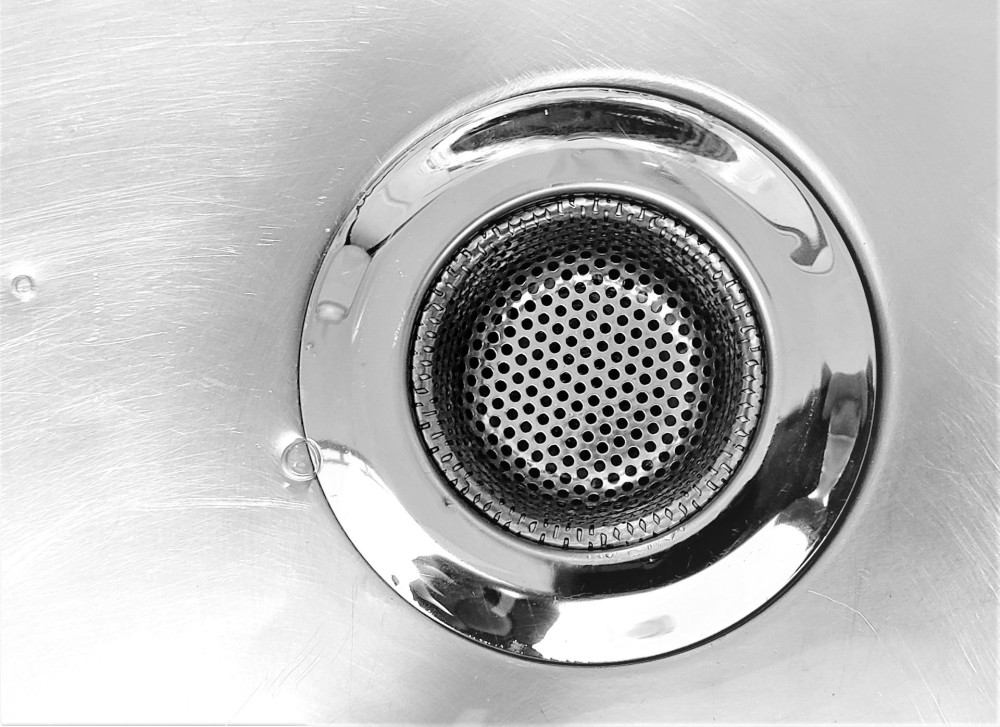
How to Reduce Pollutants in Your Wastewater

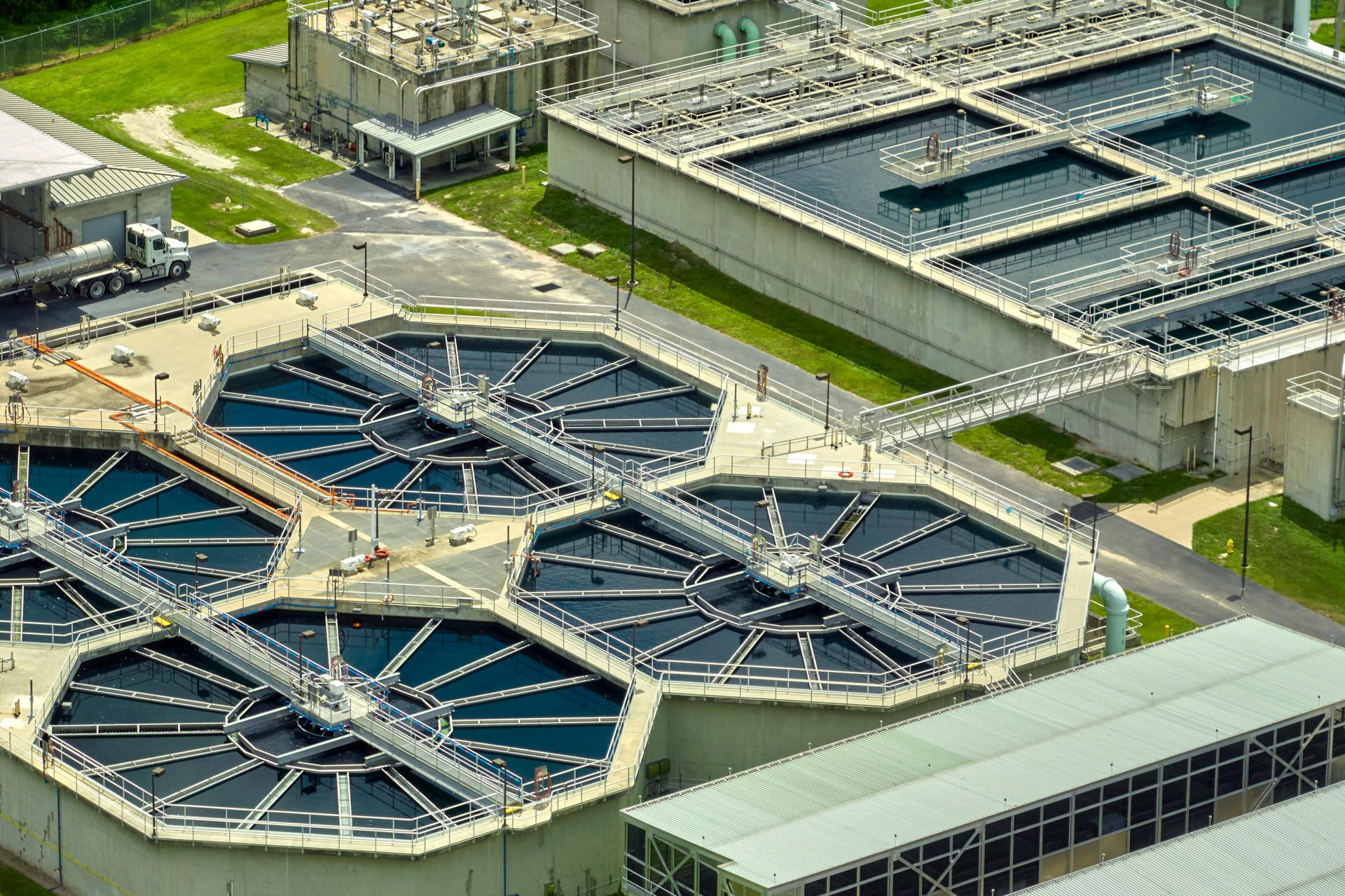
How to Reduce Pollutants in Your Wastewater
Most of us rarely think about what happens to the water once it disappears down the drain. But the wastewater leaving our homes often contains traces of chemicals, grease, microplastics, and other substances that can harm the environment. The good news is that you can make a real difference through small changes in your daily habits and by being mindful of what goes down your sink. Here’s a practical guide to reducing pollutants in your household wastewater.
Know What’s in Your Wastewater
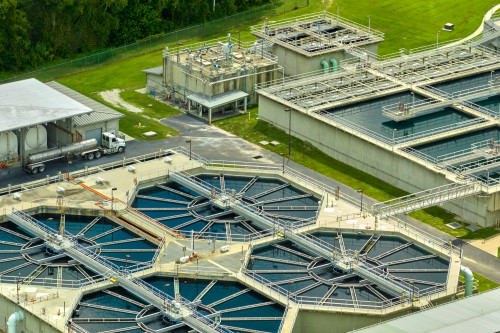
Household wastewater generally comes in two forms: gray water from showers, sinks, and laundry, and black water from toilets. Both contain organic matter, but gray water is often loaded with chemicals from cleaning products, detergents, and personal care items. When these substances enter the sewer system, they must be removed at treatment plants—and some are difficult to break down.
By understanding what you send down the drain, you can help protect both your local water systems and the efficiency of wastewater treatment facilities.
Choose Eco-Friendly Cleaning Products
Cleaning products are one of the biggest sources of household water pollution. Many contain phosphates, fragrances, preservatives, and microplastics that can harm aquatic life.
- Look for eco-certified products – In the U.S., check for labels like EPA’s Safer Choice or Green Seal, which ensure safer ingredients and biodegradability.
- Use the right amount – More soap doesn’t mean cleaner surfaces; it just increases the chemical load in your wastewater.
- Avoid chlorine and harsh solvents – These can disrupt the biological processes used in wastewater treatment plants.
Simple ingredients like vinegar, baking soda, and lemon juice can handle many cleaning tasks—they’re inexpensive, effective, and gentle on the environment.
Læs også:
Be Careful What You Pour Down the Drain
It’s easy to assume that anything that can be rinsed away will simply disappear, but that’s not the case. Grease, paint, medications, and chemicals should never go down the drain.
- Grease and oil solidify in pipes and cause blockages. Wipe pans with paper towels and throw them in the trash instead.
- Paint, solvents, and varnish should be taken to your local hazardous waste collection site.
- Unused medications should be returned to a pharmacy or a designated drug take-back program—never flushed.
- Coffee grounds and food scraps belong in the compost or food waste bin, not the sink.
Small changes like these can prevent costly plumbing issues and protect local waterways.
Wash Clothes Responsibly
Laundry is a surprising source of microplastics and chemicals in wastewater. Synthetic fabrics like polyester and nylon shed tiny fibers every time they’re washed.
- Use a microplastic filter or laundry bag, such as a Guppyfriend, to capture fibers before they reach the drain.
- Wash at lower temperatures – It’s gentler on clothes and releases fewer fibers.
- Run full loads – This reduces the number of wash cycles and the total amount of wastewater produced.
- Choose liquid detergents without phosphates or fragrances – They’re better for both your clothes and the environment.
If you want to go further, consider installing a washing machine filter designed to trap microfibers.
Limit Chemical Use
Many households rely on chemicals when simpler, safer methods would do. Drain cleaners, descalers, and pesticides can often be replaced with more environmentally friendly alternatives.
- Prevent clogs instead of treating them – Pour boiling water down drains regularly to keep them clear.
- Use mechanical tools – A plunger or drain snake is often more effective and safer than chemical drain cleaners.
- Avoid lawn and garden pesticides – They can leach into groundwater and eventually reach rivers and lakes.
The fewer chemicals you use, the less strain you place on both your plumbing and the environment.
Maintain Your Home’s Plumbing and Drainage
If you own a home, you can also make a difference through proper maintenance and smart water management. A well-functioning drainage system helps prevent leaks and pollution.
- Check for leaks or cracks in your sewer line – Leaking pipes can allow wastewater to seep into the soil.
- Separate stormwater from wastewater if possible – This reduces the load on treatment plants during heavy rain.
- Consider rain gardens or permeable surfaces – These allow clean rainwater to soak into the ground instead of entering the sewer system.
Your local municipality or water utility can often provide guidance on sustainable drainage solutions for your property.
Small Habits, Big Impact
Reducing pollutants in your wastewater doesn’t require major investments—just awareness and small, consistent actions. Every time you choose an eco-friendly product, avoid pouring grease down the drain, or dispose of chemicals properly, you’re helping to protect your community’s water resources.
When many people make small changes, the collective impact is enormous. Together, we can keep our water clean and ensure a healthier environment for generations to come.
Læs også: