Minimalism and the Picture Frames of the Future

Minimalism and the Picture Frames of the Future
In an age when our homes reflect not just our taste but our values, minimalism has found new meaning. It’s no longer simply about owning less—it’s about choosing with intention. That mindset extends to how we display art and photographs. The picture frame, once a decorative border meant to impress, has evolved into a symbol of simplicity, precision, and calm. But what will the picture frames of the future look like, and what do they reveal about the way we live and design our spaces?
From Ornament to Intention
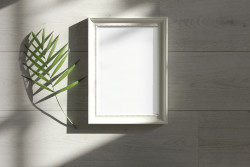
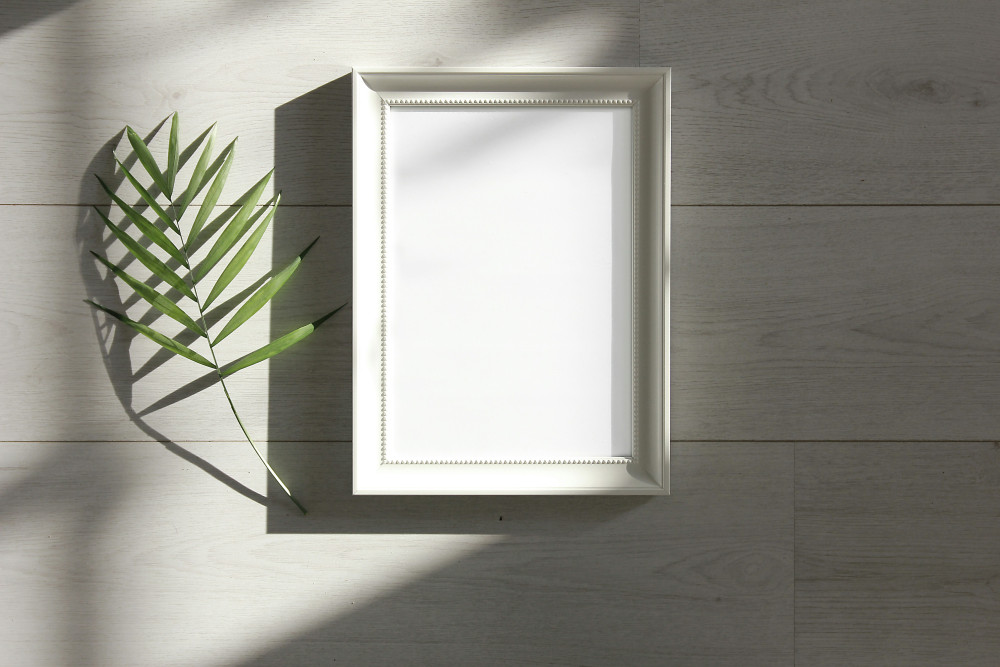
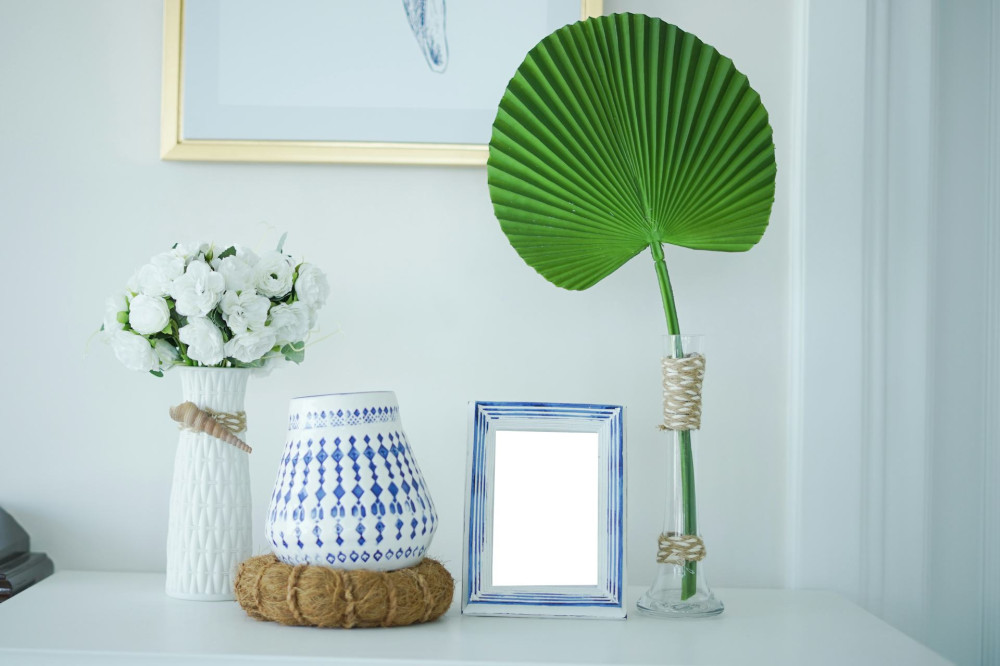
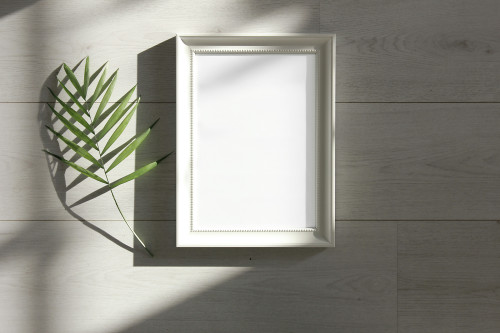
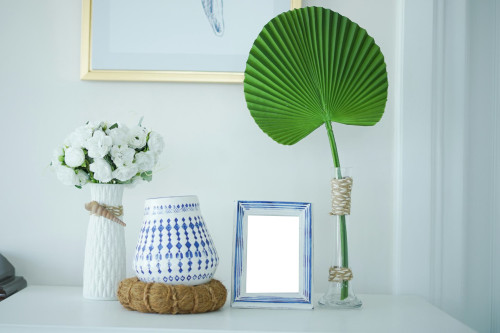
In the past, frames were often ornate, gilded, and heavy—designed to emphasize the importance of the artwork they surrounded. Today, the trend has reversed. The modern frame is meant to disappear, allowing the image to speak for itself. Thin, lightweight, and meticulously crafted, these frames often use natural materials like oak, maple, or brushed aluminum, with matte finishes that avoid glare and distraction.
Minimalism isn’t about emptiness; it’s about balance. A simple frame can highlight a photograph or painting in a way that feels both serene and sophisticated. It’s an aesthetic that fits seamlessly into contemporary American interiors, where open space, natural light, and clean lines define the atmosphere.
Sustainable Materials and Conscious Design
The future of picture frames will be shaped not only by their appearance but by their materials. Designers and manufacturers are increasingly turning to recycled wood, reclaimed metals, and biodegradable plastics. These innovations are part of a broader movement toward circular design—creating products that last longer, waste less, and can be easily repurposed.
In the U.S., this shift aligns with a growing interest in locally made goods. American artisans and small workshops are reimagining the frame as a sustainable object—crafted with care, designed to endure, and made from responsibly sourced materials. Choosing such a frame isn’t just an aesthetic decision; it’s a statement about values and authenticity.
Læs også:
Digital Art and the Frame Redefined
As digital art and photography become more prevalent, a new question arises: how do you frame something that doesn’t physically exist? The answer lies in technology. Digital picture frames—once a novelty—are now sleek, high-resolution displays capable of showcasing rotating collections of art. Some models adjust brightness based on ambient light, connect to online galleries, or even change images according to the time of day or the viewer’s preferences.
For many, this is the ultimate expression of minimalism: one frame, infinite possibilities. For others, it challenges the very notion of what a frame should be. Either way, technology is redefining how we experience and exhibit art in our homes.
The Frame as Part of the Whole
Minimalism is about harmony, not isolation. A picture frame should complement its surroundings—wall color, furniture, and lighting—rather than compete with them. More homeowners are choosing to display fewer pieces, but with greater attention to placement and proportion. A single, well-chosen frame on the right wall can create more impact than a crowded gallery of mismatched images.
Flexibility is also becoming key. Magnetic mounts, modular systems, and invisible hanging mechanisms make it easy to swap artwork without tools or damage. This adaptability appeals to those who value change but dislike clutter—a practical expression of minimalist living.
A New Aesthetic for a New Era
Minimalism in picture frames isn’t about austerity; it’s about awareness. It’s the art of giving space to what truly matters. The frames of the future will merge aesthetics, technology, and sustainability—reflecting a deeper cultural shift toward mindful living.
When we look at a frame today, we see more than wood or metal. We see a reflection of our time: an era that values simplicity, thoughtfulness, and quality above all else. In that sense, the picture frame is no longer just a border—it’s a quiet statement of how we choose to see the world.
Læs også: