The Greenhouse and the Climate – How to Adapt Your Growing Practices

The Greenhouse and the Climate – How to Adapt Your Growing Practices
Climate change is reshaping weather patterns across the United States, and greenhouse growers are feeling the effects. Hotter summers, unpredictable rainfall, and sudden temperature swings can all challenge even the most experienced gardener. But with a few smart adjustments, you can make your greenhouse more resilient, protect your plants, and even take advantage of the new conditions.
Understanding How Climate Affects Your Greenhouse
A greenhouse creates a controlled environment, but it’s still influenced by the weather outside. When summer heat waves push temperatures above 100°F, the inside of a greenhouse can become dangerously hot for most plants. At the same time, cold snaps, heavy rain, or high humidity can stress crops and invite disease.
To adapt, think of your greenhouse as a flexible system. Plan your growing schedule around local weather trends, choose plant varieties that tolerate heat and drought, and make sure your structure can be adjusted quickly when conditions change.
Ventilation and Shade – The Key to Stable Temperatures
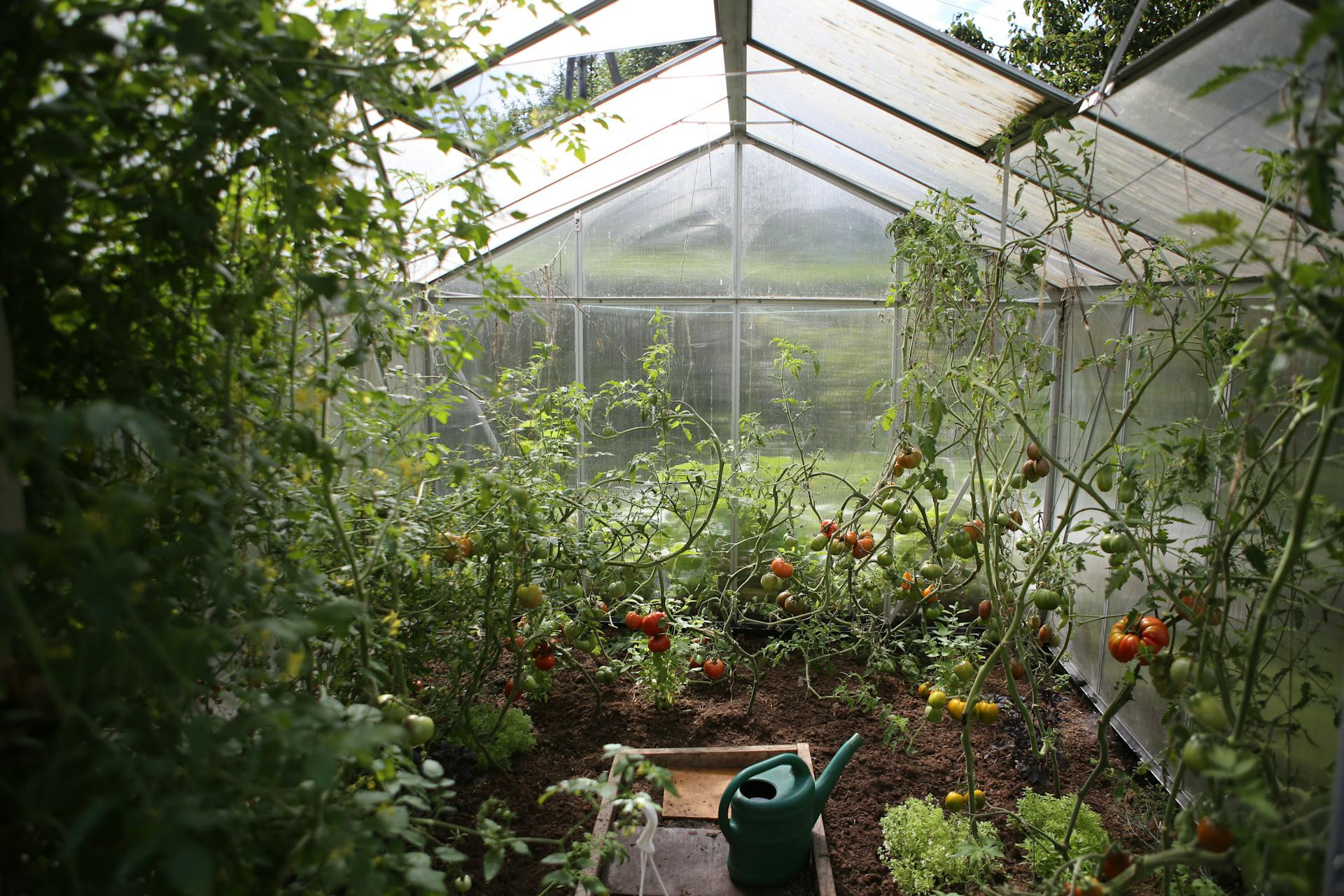
Good airflow is essential for keeping your greenhouse comfortable. Without proper ventilation, heat builds up fast and can damage plants.
- Automatic vent openers respond to temperature changes and help regulate heat without constant monitoring.
- Shade cloths or reflective curtains reduce sunlight intensity during the hottest part of the day.
- Doors or vents at both ends create cross-ventilation and keep air moving.
If you have an older greenhouse, consider upgrading to polycarbonate panels instead of glass. They insulate better, diffuse sunlight, and help maintain a more even temperature.
Læs også:



Water – Use It Wisely
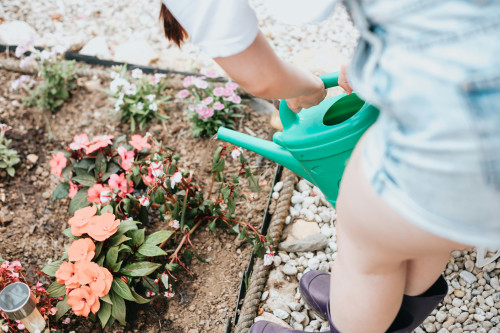
In many parts of the U.S., droughts are becoming more frequent, and water conservation is increasingly important. Efficient watering not only saves resources but also keeps plants healthier.
- Collect rainwater from your roof in barrels or tanks. It’s softer and often better for plants than tap water.
- Install drip irrigation to deliver moisture directly to the roots and minimize evaporation.
- Mulch the soil with straw, leaves, or compost to retain moisture and reduce temperature fluctuations.
Self-watering containers or capillary mats can also help maintain consistent moisture levels, especially if you’re away for a few days.
Choose Varieties That Thrive in Change
Some plants handle heat and humidity better than others. Selecting the right varieties can make a big difference in your success.
- Tomatoes still perform well, but look for heat-tolerant or early-maturing types.
- Peppers, eggplants, and okra love warmth and may produce better than ever in hotter summers.
- Lettuce and spinach can bolt quickly in heat—try heat-resistant varieties or grow them in shaded areas.
Experiment with crops that used to be tricky in cooler regions, such as sweet potatoes, melons, or basil, which now thrive in longer, warmer seasons.
Soil and Nutrition – Build a Healthy Microclimate
Healthy soil is the foundation of a resilient greenhouse. Fluctuating temperatures and irregular watering can deplete nutrients and stress roots.
- Add compost each season to improve soil structure and water retention.
- Use organic fertilizers that release nutrients slowly and support soil life.
- Keep the soil covered with plants or green manure to prevent erosion and maintain microbial activity.
A living soil ecosystem helps plants resist pests, diseases, and environmental stress.
Make the Most of the Seasons
A greenhouse allows you to extend your growing season—and that flexibility is even more valuable in a changing climate.
- Start seeds earlier in spring, but be ready to protect young plants from late frosts with row covers or heat mats.
- Grow cool-weather crops like kale, spinach, or Asian greens in fall and winter.
- Use thermal mass—such as water barrels or stone flooring—to store heat during the day and release it at night.
By adjusting your planting schedule, you can harvest fresh produce nearly year-round.
A Greenhouse in Balance with the Future
Adapting your greenhouse to a changing climate isn’t just about technology—it’s about creating balance. With thoughtful ventilation, smart water use, resilient plant choices, and healthy soil, you can build a thriving mini-ecosystem that weathers whatever nature brings.
Climate change presents challenges, but it also opens new opportunities for creativity and experimentation. With care and adaptability, your greenhouse can become more sustainable, productive, and rewarding than ever before.
Læs også: