Safe Function: How to Maintain Your Window Locks and Handles

Safe Function: How to Maintain Your Window Locks and Handles
Windows play a key role in your home’s comfort and security — they let in light and fresh air while keeping out cold drafts, moisture, and intruders. To do their job properly, both the locks and handles need to work smoothly. With a little regular maintenance, you can extend their lifespan, avoid costly repairs, and ensure your windows close tightly and securely. Here’s a practical guide to keeping your window locks and handles in top condition.
Why Maintenance Matters
Window locks and handles are used frequently, and over time they can become loose, stiff, or worn. When they don’t function properly, you may experience:
- Poor sealing, which can lead to drafts and higher energy bills.
- Reduced security, if the lock doesn’t latch completely.
- Extra strain on hinges and frames, which can cause misalignment.
A few minutes of attention once or twice a year can prevent most of these issues.
Cleaning – The First Step to Smooth Operation
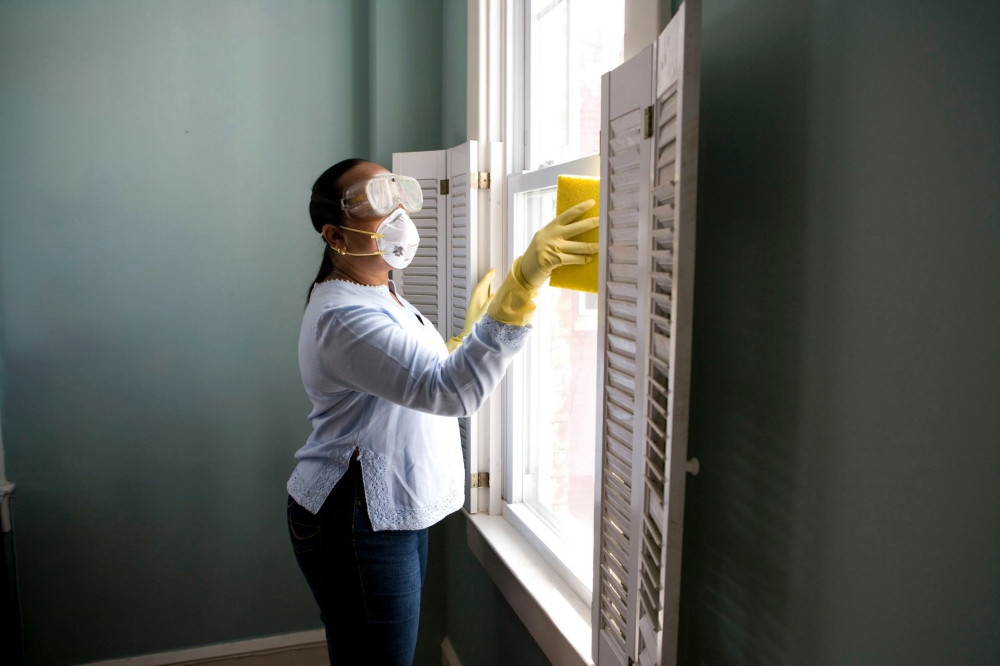
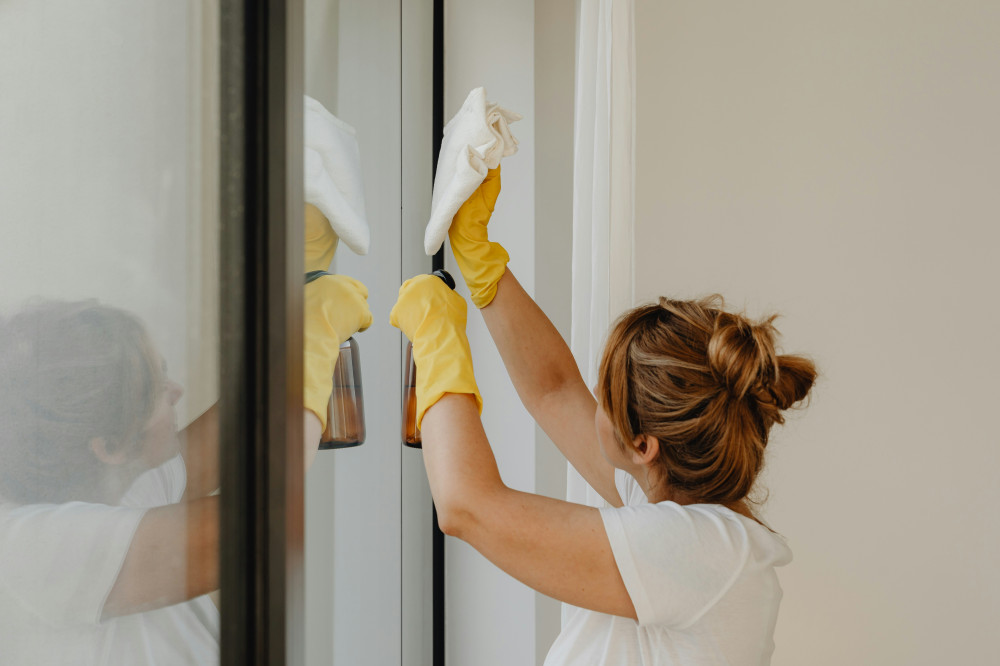
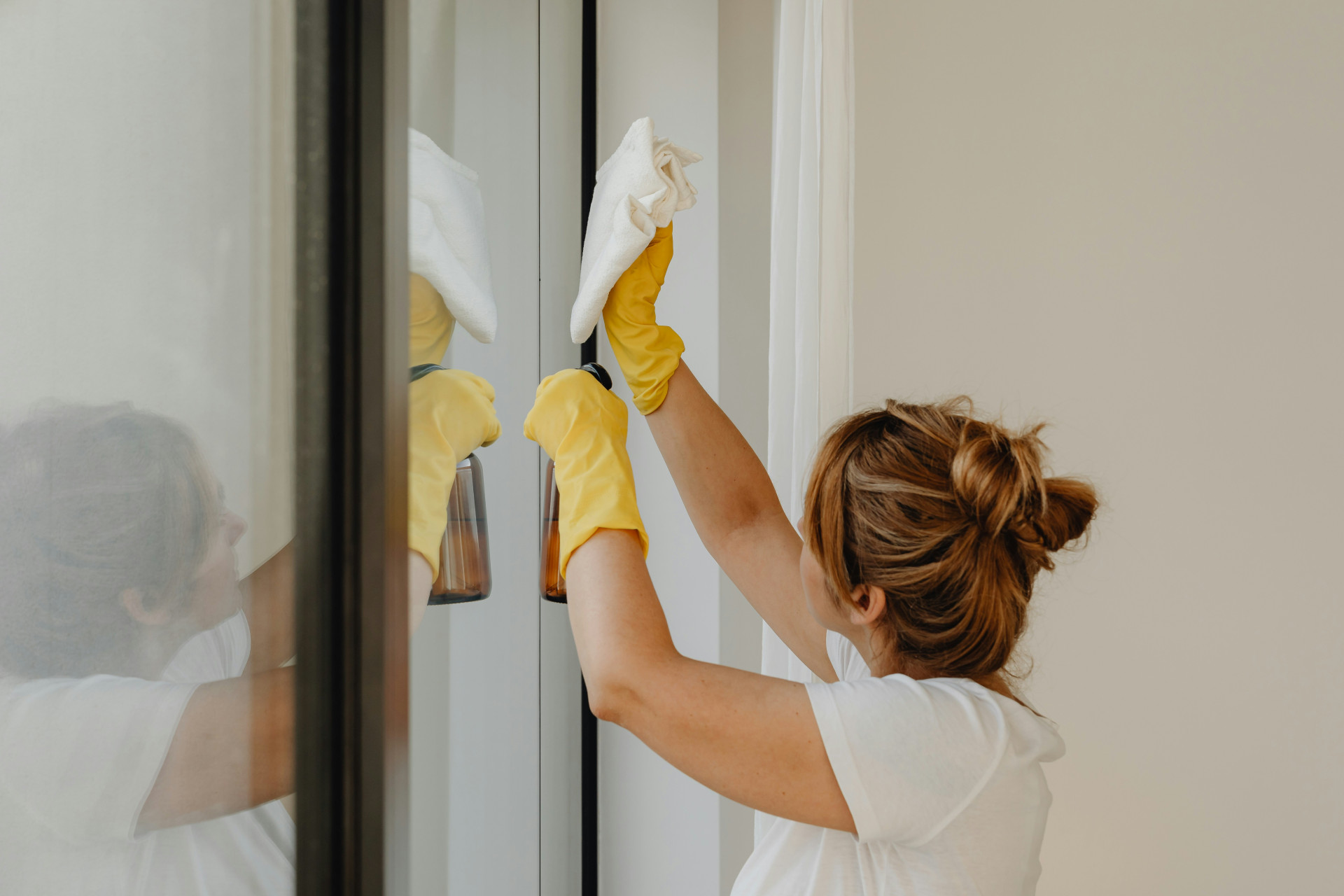
Start by cleaning around the handles and locks. Dust, grease, and grime can build up in small crevices and make the mechanism harder to operate. Use a soft cloth and mild soap mixed with warm water. Avoid harsh cleaners or abrasive pads that could damage the finish or remove protective coatings.
After cleaning, dry the area thoroughly. Moisture left behind can lead to rust or corrosion, especially on metal parts.
Lubricating Moving Parts
Once everything is clean, it’s time to lubricate. Use a silicone-based spray or a light, non-acidic household oil designed for metal hardware. A small amount goes a long way.
- Apply lubricant to moving parts such as the locking mechanism, handle spindle, and any visible hinges.
- Move the handle back and forth a few times to distribute the lubricant evenly.
- Wipe away any excess to prevent dust from sticking.
Repeat this process twice a year — typically in spring and fall — or more often if you live in a humid or coastal area where salt and moisture can accelerate wear.
Tightening Loose Handles and Locks
If a handle feels wobbly, it often just needs a quick adjustment. Most window handles have a small cover plate at the base that can be flipped or slid aside to reveal the screws. Tighten them gently with a screwdriver, but don’t overtighten — that can strip the threads or crack the hardware.
If the lock doesn’t catch properly, the window frame may have shifted slightly. Try adjusting the strike plate or hinges. If you’re unsure, it’s best to call a professional. A properly aligned lock ensures both a tight seal and reliable security.
Checking Seals and Hardware
While you’re at it, inspect the weatherstripping and other hardware. Worn or brittle seals can make it difficult to close the window fully and may let in drafts. The seals should feel soft and flexible; replace them if they’re cracked or flattened.
Look for signs of rust, discoloration, or moisture damage on the metal parts. These can indicate leaks or condensation problems that should be addressed before they worsen.
Læs også:



Preventing Future Problems
A few simple habits can help your window locks and handles last longer:
- Avoid using excessive force when opening or closing windows.
- Don’t let windows rattle in strong winds — secure them to prevent wear.
- Keep an eye out for condensation or moisture buildup, especially during winter.
Catching small issues early can save you from bigger repairs later.
When to Replace Locks or Handles
Even with good care, hardware doesn’t last forever. If a handle feels loose, the lock doesn’t engage properly, or you need to use extra force, it may be time for a replacement. Modern window hardware comes in a variety of styles and often includes added safety features such as child locks or keyed handles.
Replacing a handle or lock is usually straightforward, but make sure to choose parts that match your window type and manufacturer.
A Small Task with Big Benefits
Maintaining your window locks and handles rarely takes more than half an hour, but it can make a big difference in comfort, energy efficiency, and home security. With a little regular care, your windows will stay functional and attractive for years — and you’ll avoid the frustration that comes when something suddenly sticks or breaks.
Læs også: