Quick and Effective Touch-Ups for Painted Surfaces

Quick and Effective Touch-Ups for Painted Surfaces
Minor damage to painted surfaces is almost inevitable in a busy home. A scuff from a chair, a scratch from a key, or a stain from a coffee cup can quickly spoil an otherwise neat appearance. Fortunately, you don’t need to repaint an entire wall or room to make it look fresh again. With the right approach and a bit of patience, you can repair small imperfections quickly and effectively—leaving the surface looking as good as new.
Start by Assessing the Damage
Before you begin, take a close look at the affected area. Is it just a light scratch, a chip in the paint, or a small dent in the wall? Understanding the extent of the damage helps you choose the right repair method.
- Light scratches and stains often need only cleaning and a small amount of touch-up paint.
- Chips and small holes may require patching and sanding before painting.
- Larger imperfections might call for more extensive repair, but even then, careful work can limit the area you need to repaint.
Clean the Area Thoroughly
Paint adheres best to a clean surface. Wipe the area with a damp cloth and a mild detergent to remove dust, grease, and dirt. For tougher spots, a degreaser or household cleaner can help. Rinse with clean water and let the surface dry completely before moving on. Moisture trapped under paint can cause uneven color or peeling later.
Patch and Smooth Any Imperfections
For small holes or chips, use a lightweight spackling compound. Apply a thin layer with a putty knife, smoothing it out so it’s level with the surrounding surface. Once it’s dry, lightly sand the area with fine-grit sandpaper (around 120–180 grit) until it feels smooth to the touch. Wipe away any dust with a dry cloth before painting.
Choose the Right Paint
To make your repair blend seamlessly, use the same type and sheen of paint as the original. If you have leftover paint from your last project, that’s ideal. Otherwise, bring a small paint sample or chip to your local hardware or home improvement store—many can color-match it for you.
Keep in mind that paint color and gloss can change slightly over time, especially in sunny areas. In those cases, it may help to feather the new paint into a slightly larger area for a smoother transition.
Apply Paint with a Light Touch
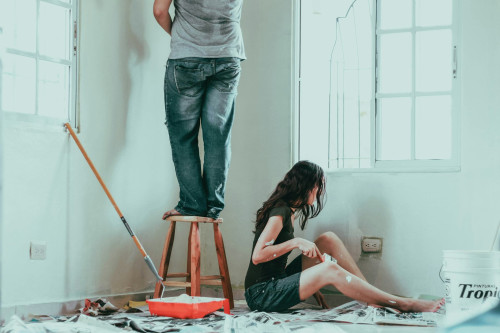
When painting small areas, precision is key. Use a small brush or foam roller suited to the surface. Apply thin coats, allowing each to dry before adding another. This helps prevent visible edges and ensures a more even finish.
If you’re touching up a wall, try “feathering” the edges—lightly brushing outward into the surrounding area so the new paint blends naturally with the old.
Allow the Paint to Cure
Even if the paint feels dry after a few hours, it can take several days to fully cure. Avoid washing or touching the area too much during this time. Once cured, the color and sheen will settle, and your repair will be nearly invisible.
Prevent Future Damage
After fixing the problem, take a few steps to protect your painted surfaces. Use felt pads under furniture legs, install doorstops to prevent handles from hitting walls, and clean spills or marks promptly. Regular maintenance helps your paint last longer and keeps your home looking fresh.
Læs også:
Small Repairs, Big Impact
Touching up painted surfaces doesn’t require professional tools or experience—just care and attention to detail. With a few simple steps, you can restore walls, doors, and trim to their original look and keep your home bright and well-maintained.
Læs også: