Perennials – help to find the types that suit your garden


Perennials – help to find the types that suit your garden
Perennials are perennial plants that come back year after year and can give the garden both colour, structure and life. They come in a wide range of varieties, heights and colours and can be used for everything from ground cover to ornamental borders and edging plants. Whether you want a wild, natural look or a more formal garden, there are perennials to suit your style and growing conditions.
In this article, you will get an overview of different types of perennials and their characteristics, so that you can get an idea of the possibilities available when choosing plants for your garden.
The article presents a wide selection of perennials representing different types, colours and growth forms. The aim is to provide an informative overview of characteristics, areas of use and maintenance levels, so that you can more easily find the perennials that suit your garden. The information about the products is based on publicly available descriptions from producers and retailers and has been summarised to provide a clear and inspiring overview.
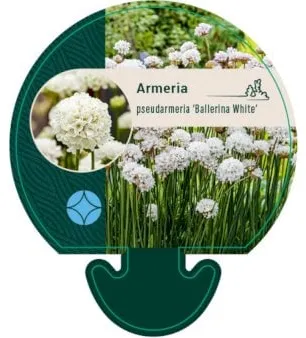
English Grass, botanically known as Armeria pseudarmeria 'Ballarina White', is a compact and tuft-forming perennial that forms dense clumps of narrow, needle-shaped leaves. It produces globular flower heads in white shades that stand out clearly above the green foliage.
The plant blooms in spring and summer, usually from May to June, and thrives best in full sun. It is fully hardy and requires only light fertilisation, making it suitable for both beginners and experienced gardeners.
With a height of around 20–40 cm and a width of 10–30 cm, English Grass fits well at the front of perennial borders, in rock gardens or as an edging plant. It can also be used in pots, where its compact growth habit gives a neat and tidy impression.
- Flowering: White flowers in May–June.
- Growth habit: Tuft-forming and medium height.
- Placement: Thrives best in full sun.
- Use: Suitable for pots, gardens and parks.
- Hardiness: Fully hardy and easy to grow.
Pros and cons
- Easy to grow and hardy perennial
- Compact growth habit suitable for small gardens and pots
- Long flowering period during spring and summer
- Decorative white flowers
- Requires a sunny position for optimal flowering
- May need to be divided after a few years to maintain dense growth
Pros and cons
Pros
- Easy to grow and hardy perennial
- Compact growth habit suitable for small gardens and pots
- Long flowering period during spring and summer
- Decorative white flowers
Cons
- Requires a sunny position for optimal flowering
- May need to be divided after a few years to maintain dense growth
Pros
- Easy to grow and hardy perennial
- Compact growth habit suitable for small gardens and pots
- Long flowering period during spring and summer
- Decorative white flowers
Cons
- Requires a sunny position for optimal flowering
- May need to be divided after a few years to maintain dense growth
Specifications
- Botanical name: Armeria pseudarmeria 'Ballarina White'
- Category: Perennials
- Main category: Perennials
- Subcategory: English Grass
- Flower colour: White
- Flowering period: Spring, Summer (May–June)
- Leaf colour: Green, greenish
- Leaf shape: Needle-shaped
- Height: 20–40 cm
- Width: 10–30 cm
- Plant spacing: 35–50 cm
- Growth habit: Tuft-forming
- Growth: Medium height
- Placement: Full sun
- Fertilisation level: Low
- Hardiness: Full
- Use: Pots, gardens and parks
- Fruit size: 1–5
- Flower size: 1–5, 2–4
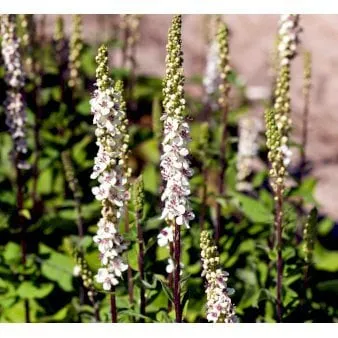
Dark Mullein (Verbascum nigrum 'Album') is a perennial characterised by its upright growth habit and white flowers that appear from July to September. The plant can reach a height of about 80 to 200 cm depending on growing conditions and forms a striking vertical structure in the garden.
The leaves are green and oval, and the plant thrives best in full sun where it develops optimally. It prefers well-drained soil and a moderate level of fertilisation. Dark Mullein is completely hardy and therefore well suited to the Swedish climate.
The perennial is often used in gardens and parks where it can be planted singly or in groups with a spacing of about 45–60 cm. It pairs well with other summer-flowering perennials and contributes both height and a natural expression to the planting.
- Flowering period: July to September with white flowers.
- Growth form: Upright and medium-growing perennial.
- Placement: Thrives best in full sun and well-drained soil.
- Height: Typically 80–200 cm depending on conditions.
- Use: Suitable for gardens and parks as a vertical element.
Pros and cons
- Robust and completely hardy perennial
- Long flowering period during summer and late summer
- Suitable for sunny locations
- Adds height and structure to borders
- Requires a sunny location for optimal flowering
- May need staking in case of vigorous growth or exposed windy conditions
Pros and cons
Pros
- Robust and completely hardy perennial
- Long flowering period during summer and late summer
- Suitable for sunny locations
- Adds height and structure to borders
Cons
- Requires a sunny location for optimal flowering
- May need staking in case of vigorous growth or exposed windy conditions
Pros
- Robust and completely hardy perennial
- Long flowering period during summer and late summer
- Suitable for sunny locations
- Adds height and structure to borders
Cons
- Requires a sunny location for optimal flowering
- May need staking in case of vigorous growth or exposed windy conditions
Specifications
- Botanical name: Verbascum nigrum 'Album'
- Plant category: Perennial
- Main category: Perennials
- Subcategory: Mullein
- Flower colour: White
- Flowering period: July–September
- Leaf colour: Green
- Leaf shape: Oval
- Height: 80–200 cm
- Width: 30–50 cm
- Placement: Full sun
- Growth form: Upright
- Growth rate: Medium-growing
- Hardiness: Completely hardy
- Plant spacing: 45–60 cm
- Fertilisation level: Medium
- Use: Gardens and parks
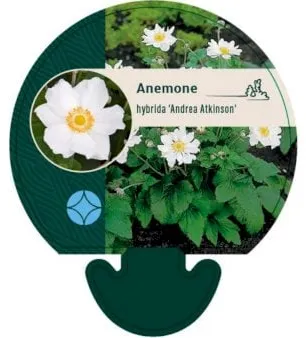
Japanese Anemone 'Andrea Atkinson' is an upright-growing perennial that produces elegant white flowers on slender stems. The flowers stand out clearly above the deeply lobed, dark green foliage, giving a light and airy impression in the garden.
The plant blooms from August to October and adds colour and structure to late-summer borders. It thrives best in light to partial shade and in well-drained, nutrient-rich soil.
The perennials grow to about 90 cm tall and spread slowly with short runners, making them suitable for forming small colonies. It can be used as a solitary plant or in groups and is also suitable as a cut flower.
With a planting density of about six plants per square metre, it can create a harmonious and full appearance in the perennial border.
- Flowering period: August to October with large white flowers.
- Growing conditions: Thrives in sun to partial shade and in well-drained soil.
- Height: About 90 cm with upright growth habit.
- Planting density: About 6 plants per square metre.
- Suitable as cut flower: Provides long-lasting flowers for bouquets.
Pros and cons
- Long flowering period during late summer
- Large, decorative white flowers
- Suitable for both borders and cut flowers
- Can form natural colonies over time
- Requires well-drained soil to avoid rot
- May spread if conditions are very favourable
Pros and cons
Pros
- Long flowering period during late summer
- Large, decorative white flowers
- Suitable for both borders and cut flowers
- Can form natural colonies over time
Cons
- Requires well-drained soil to avoid rot
- May spread if conditions are very favourable
Pros
- Long flowering period during late summer
- Large, decorative white flowers
- Suitable for both borders and cut flowers
- Can form natural colonies over time
Cons
- Requires well-drained soil to avoid rot
- May spread if conditions are very favourable
Specifications
- Botanical name: Anemone x hybrida 'Andrea Atkinson'
- Plant height: 50–100 cm (typically about 90 cm)
- Width: 30–50 cm
- Flower colour: White
- Flowering period: August–October
- Placement: Sun / partial shade
- Growth habit: Upright
- Growth rate: Moderate
- Leaf colour: Greenish to dark green
- Leaf shape: Lobed
- Planting density: 6 plants per m²
- Plant spacing: approx. 45 cm
- Hardiness: Fully hardy
- Cut flower: Yes
- Fertiliser level: Medium
- Category: Perennials / Anemone
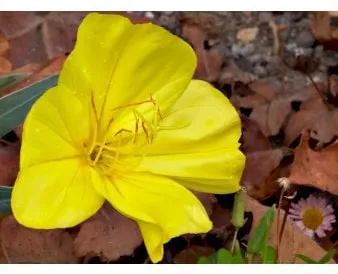
Creeping evening primrose (Oenothera macrocarpa) is a low, clump-forming perennial that grows about 15–30 cm high and spreads slowly in the garden. It has narrow green leaves with reddish stems and a prostrate growth habit, making it suitable as ground cover or border plant.
The plant thrives best in a bright spot in full sun and in well-drained soil. It tolerates dry conditions and requires only minimal maintenance once established. For a full appearance, it is recommended to plant 4–6 plants per square metre.
Flowering occurs from June to September, when the plant produces large, bright yellow flowers that open in the evening and remain open until the next day. The flowers attract moths and other pollinating insects, contributing to a lively garden environment.
Creeping evening primrose is particularly suitable for rock gardens, slopes and sunny borders, where its flowers and foliage create a long-lasting play of colour during the summer.
- Low-growing perennial: Forms dense clumps and is suitable as ground cover.
- Long flowering period: Large, yellow flowers from June to September.
- Sun- and drought-tolerant: Thrives best in full sun and well-drained soil.
- Insect-friendly: Attracts moths and other pollinators.
- Suitable for rock gardens: Well suited for dry and sunny garden areas.
Pros and cons
- Long flowering period with large, yellow flowers
- Low maintenance and drought-tolerant
- Attracts pollinating insects
- Suitable for rock gardens and sunny locations
- Requires well-drained soil to avoid rot
- The flowers last only a short time but are continuously replaced by new ones
Pros and cons
Pros
- Long flowering period with large, yellow flowers
- Low maintenance and drought-tolerant
- Attracts pollinating insects
- Suitable for rock gardens and sunny locations
Cons
- Requires well-drained soil to avoid rot
- The flowers last only a short time but are continuously replaced by new ones
Pros
- Long flowering period with large, yellow flowers
- Low maintenance and drought-tolerant
- Attracts pollinating insects
- Suitable for rock gardens and sunny locations
Cons
- Requires well-drained soil to avoid rot
- The flowers last only a short time but are continuously replaced by new ones
Specifications
- Botanical name: Oenothera macrocarpa
- Swedish name: Creeping evening primrose
- Plant height: 15–30 cm
- Width: 10–20 cm
- Planting density: 4–6 plants per m²
- Flowering time: June–September
- Flower colour: Yellow
- Leaf colour: Green to dark green
- Growth form: Clump-forming, prostrate
- Placement: Full sun
- Soil type: Well-drained
- Hardiness: Fully hardy
- Fertilisation level: Medium
- Category: Perennials – Evening primrose
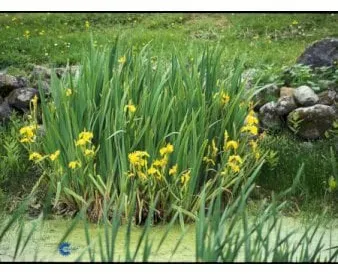
Iris pseudacorus is a perennial plant that grows about 70 to 100 cm tall. It develops large yellow flowers with dark markings that stand out clearly in the garden during the flowering period from June to July.
The plant thrives best in full sun and requires moist to wet soil, making it ideal for placement by ponds, basins or other damp areas. It can be planted individually as a specimen plant or in smaller groups to create a natural look.
The leaves are green and upright, and the growth is moderate. Iris pseudacorus can also be used as a cut flower, but its main value lies in its ability to add structure and colour to the garden’s moist zones.
- Height: 70–100 cm
- Flower colour: Large yellow flowers with dark markings
- Flowering period: June–July
- Light conditions: Full sun
- Placement: Moist to wet soil, e.g. by pond or water edge
- Use: Solitary or in groups, suitable as a cut flower
Pros and cons
- Tolerates moist and wet soil
- Striking yellow flowering during the summer months
- Suitable for ponds and water edges
- Can be used as a cut flower
- Requires moist soil and does not thrive in dry areas
- Can spread if not kept under control
Pros and cons
Pros
- Tolerates moist and wet soil
- Striking yellow flowering during the summer months
- Suitable for ponds and water edges
- Can be used as a cut flower
Cons
- Requires moist soil and does not thrive in dry areas
- Can spread if not kept under control
Pros
- Tolerates moist and wet soil
- Striking yellow flowering during the summer months
- Suitable for ponds and water edges
- Can be used as a cut flower
Cons
- Requires moist soil and does not thrive in dry areas
- Can spread if not kept under control
Specifications
- Botanical name: Iris pseudacorus
- Plant height: 70–100 cm
- Flower colour: Yellow with dark markings
- Flowering period: June–July
- Light conditions: Full sun
- Placement: Moist to wet soil, by pond or water edge
- Growth form: Upright
- Growth: Moderate
- Leaf colour: Green
- Leaf shape: Sword-shaped
- Cut flower: Yes
- Plant spacing: 35–55 cm
- Width: 20–40 cm
- Hardiness: Fully hardy
- Soil type: Medium
- Fertiliser level: Medium
- Category: Perennials, Iris
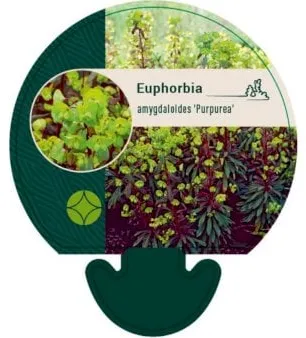
Spurge 'Purpurea' (Euphorbia amygdaloides 'Purpurea') is a compact, evergreen perennial characterised by its reddish foliage and its ability to retain colour and structure throughout the season. The plant thrives best in a light to partially shaded location and can, under sheltered conditions, retain its foliage all year round.
It grows to about 30–50 cm high and 20–30 cm wide, making it suitable as an edging plant or for creating contrast in borders. Planting density is recommended at 5–6 plants per square metre to achieve a full planting.
Flowering occurs from April to June, when the plant develops distinctive flowers in red and lime green, gathered in large clusters. It is suitable for cutting and can be used in bouquets.
The plant sap is toxic and should be handled with care. The species is fully hardy and grows at a moderate rate under suitable conditions.
- Decorative foliage: Reddish leaves that add colour and structure to the garden throughout the season.
- Flowering: Red and lime green flowers from April to June.
- Placement: Thrives in partial shade and shady areas.
- Evergreen: Retains foliage under mild conditions.
- Suitable for cutting: Can be used in bouquets and decorations.
Pros and cons
- Evergreen and decorative all year round
- Tolerates partial shade and shade
- Compact growth form, suitable for edging
- Blooms early in the season
- The plant sap is toxic and requires careful handling
- May lose some of its colour in very shady environments
Pros and cons
Pros
- Evergreen and decorative all year round
- Tolerates partial shade and shade
- Compact growth form, suitable for edging
- Blooms early in the season
Cons
- The plant sap is toxic and requires careful handling
- May lose some of its colour in very shady environments
Pros
- Evergreen and decorative all year round
- Tolerates partial shade and shade
- Compact growth form, suitable for edging
- Blooms early in the season
Cons
- The plant sap is toxic and requires careful handling
- May lose some of its colour in very shady environments
Specifications
- Botanical name: Euphorbia amygdaloides 'Purpurea'
- Swedish name: Red-leaved Spurge
- Category: Perennials
- Height: 30–50 cm
- Width: 20–30 cm
- Planting density: 5–6 plants per m²
- Flowering period: April–June
- Flower colour: Red and lime green
- Leaf colour: Reddish to red-green
- Light conditions: Partial shade to shade
- Growth form: Upright
- Growth rate: Normal to medium-growing
- Hardiness: Fully hardy
- Use: Gardens, parks and pots
- Fertiliser level: Medium
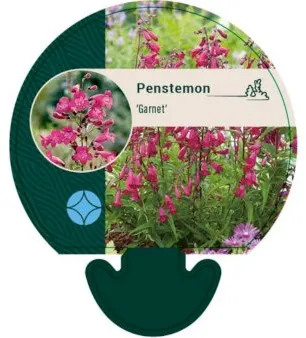
Penstemon 'Garnet' is a perennial characterised by its dark red flowers and slender, upright growth form. The plant has green, lance-shaped leaves and flowers during the summer months, usually from July to August.
It thrives best in full sun and prefers well-drained soil. With a height of about 70–80 cm and a width of 20–30 cm, it fits well in perennial borders where it can create height and colour contrast.
Beardtongue can be used both in gardens and parks as well as in pots. It is fully hardy and suitable for cutting, making it useful as a cut flower in bouquets.
The plant has moderate growth and requires a moderate level of fertilisation to maintain healthy flowering throughout the season.
- Flower colour: Dark red flowers that provide strong colour contrast in the border.
- Growth form: Upright and medium-growing, suitable for both borders and pots.
- Placement: Thrives best in full sun and well-drained soil.
- Hardiness: Fully hardy and suitable for the Swedish climate.
- Use: Can be used as a cut flower and in decorative plantings.
Pros and cons
- Long flowering period during the summer months
- Suitable for gardens, parks and pots
- Fully hardy and withstands Swedish winters
- Can be used as a cut flower
- Requires a sunny location for optimal flowering
- Needs regular fertilisation to maintain vigour
Pros and cons
Pros
- Long flowering period during the summer months
- Suitable for gardens, parks and pots
- Fully hardy and withstands Swedish winters
- Can be used as a cut flower
Cons
- Requires a sunny location for optimal flowering
- Needs regular fertilisation to maintain vigour
Pros
- Long flowering period during the summer months
- Suitable for gardens, parks and pots
- Fully hardy and withstands Swedish winters
- Can be used as a cut flower
Cons
- Requires a sunny location for optimal flowering
- Needs regular fertilisation to maintain vigour
Specifications
- Botanical name: Penstemon 'Garnet'
- Category: Perennials
- Main category: Perennials
- Archetype: Plant
- Flowering period: Summer (July–August)
- Flower colour: Dark red
- Leaf colour: Green, greenish
- Leaf shape: Lance-shaped
- Growth form: Upright
- Height: 70–80 cm (may vary 50–100 cm)
- Width: 20–30 cm
- Plant spacing: 45–50 cm
- Placement: Full sun
- Hardiness: Fully hardy
- Growth: Medium-growing
- Fertilisation level: Medium
- Use: Gardens, parks and pots
- Cut: Suitable as a cut flower
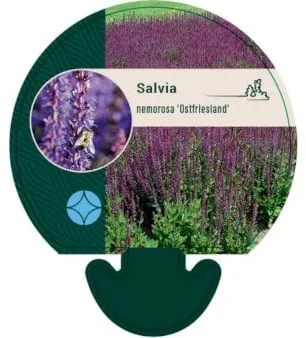
Steppe sage (Salvia nemorosa 'Ostfriesland') is a perennial plant that forms upright stems with dense spikes of blue-purple flowers. It grows to about 40 cm tall and is well suited for borders where it can add colour and structure during the summer.
The plant thrives best in a bright and sunny location in well-drained soil. It tolerates dry conditions once established and requires only limited maintenance. If the withered flower spikes are removed regularly, the flowering period can be extended into late summer.
Steppe sage is suitable for cutting and is often used in bouquets. It has aromatic, fragrant foliage and attracts many pollinators such as bees and butterflies, making it a good choice for insect-friendly gardens.
With a planting density of 5–6 plants per square metre, it forms a dense and harmonious border. It is fully hardy and suitable for both private gardens and parks.
- Blue-purple flowers: Add colour and life to the garden from June to August.
- Insect-friendly: Attracts bees and butterflies with its nectar and scent.
- Aromatic foliage: Provides a pleasant fragrance and extra sensory value in the garden.
- Low maintenance: Only requires pruning of withered flowers to extend the flowering period.
- Hardy and sun-loving: Thrives in full sun and withstands Scandinavian winters.
Pros and cons
- Long flowering period from June to August
- Attracts pollinators such as bees and butterflies
- Suitable for cutting and bouquets
- Aromatic and decorative plant
- Hardy and easy to grow in sunny environments
- Requires a sunny location for optimal growth
- Withered flower spikes should be removed to extend flowering
- May need support in very windy areas
Pros and cons
Pros
- Long flowering period from June to August
- Attracts pollinators such as bees and butterflies
- Suitable for cutting and bouquets
- Aromatic and decorative plant
- Hardy and easy to grow in sunny environments
Cons
- Requires a sunny location for optimal growth
- Withered flower spikes should be removed to extend flowering
- May need support in very windy areas
Pros
- Long flowering period from June to August
- Attracts pollinators such as bees and butterflies
- Suitable for cutting and bouquets
- Aromatic and decorative plant
- Hardy and easy to grow in sunny environments
Cons
- Requires a sunny location for optimal growth
- Withered flower spikes should be removed to extend flowering
- May need support in very windy areas
Specifications
- Botanical name: Salvia nemorosa 'Ostfriesland'
- Plant height: approx. 40 cm
- Flower colour: Blue-purple
- Flowering period: June – August
- Placement: Full sun
- Planting density: 5–6 plants per m²
- Leaf colour: Grey-green
- Growth form: Upright
- Hardiness: Fully hardy
- Use: Gardens and parks, cut flowers
- Fragrance: Yes
- Growth rate: Normal to medium-growing
- Width: 20–40 cm
- Category: Perennials, Salvia
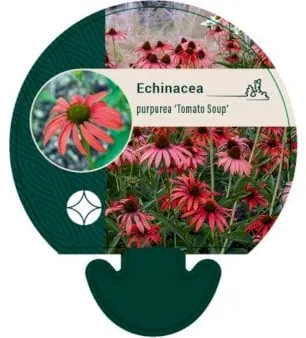
Red coneflower (Echinacea 'Tomato Soup' (r)) is a perennial that adds a warm orange-red colour and a pleasant scent to the garden. The plant usually grows 60–80 cm tall and 20–40 cm wide, making it suitable as a mid- or background plant in borders.
It thrives best in full sun and should be planted about 40 cm apart to ensure good air circulation. The flowers are 10–12 cm in diameter and appear from July to September. The leaves are green and lance-shaped, and the growth habit is upright and medium-sized.
Red coneflower is fully hardy in the Swedish climate and requires only moderate fertilisation. It is suitable both as an ornamental plant in perennial borders and as a cut flower. The variety is known for its long flowering period and ability to attract bees and butterflies.
The plant prefers well-drained soil and tolerates dry periods once established. It is generally resistant to diseases and pests and requires only minimal maintenance.
- Colour and flowering: Large orange-red flowers of 10–12 cm that bloom from July to September.
- Growth habit: Upright and medium-sized with a height of 60–80 cm and a width of 20–40 cm.
- Placement: Thrives best in full sun and well-drained soil.
- Hardiness: Fully hardy in the Swedish climate.
- Use: Suitable as an ornamental plant, for cutting, and for attracting pollinators.
Pros and cons
- Long flowering period from July to September
- Hardy and suitable for Swedish conditions
- Attracts bees and butterflies
- Suitable as a cut flower
- Requires only moderate maintenance
- Does not thrive in heavy and wet soil
- Blooms less in shady areas
Pros and cons
Pros
- Long flowering period from July to September
- Hardy and suitable for Swedish conditions
- Attracts bees and butterflies
- Suitable as a cut flower
- Requires only moderate maintenance
Cons
- Does not thrive in heavy and wet soil
- Blooms less in shady areas
Pros
- Long flowering period from July to September
- Hardy and suitable for Swedish conditions
- Attracts bees and butterflies
- Suitable as a cut flower
- Requires only moderate maintenance
Cons
- Does not thrive in heavy and wet soil
- Blooms less in shady areas
Specifications
- Botanical name: Echinacea 'Tomato Soup' (r)
- Swedish name: Red coneflower
- Category: Perennials
- Height: 60–80 cm
- Width: 20–40 cm
- Flower colour: Orange-red
- Flowering period: July–September
- Flower size: 10–12 cm
- Leaf colour: Green
- Leaf shape: Lance-shaped
- Growth habit: Upright
- Growth: Medium-sized
- Placement: Full sun
- Plant spacing: approx. 40 cm
- Hardiness: Fully hardy
- Fertilisation level: Medium
- Suitable for cutting: Yes
- Scent: Yes
- Optimal growing conditions: Full sun and well-drained soil
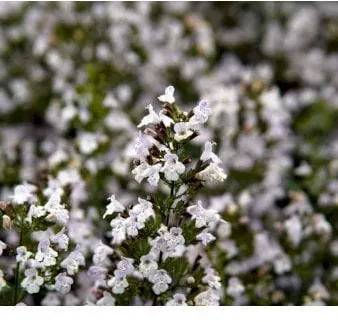
Mountain mint (Calamintha nepeta ssp. nepeta) is a low, upright-growing perennial that forms dense clumps of grey-green foliage with a characteristic spicy scent. The plant grows to about 30–50 cm high and 20–40 cm wide, making it suitable as ground cover or border plant in flower beds and along paths.
It thrives best in a bright or lightly shaded location with well-drained soil and flowers from July to October with small, light violet flowers. The flowers attract both bees and butterflies and contribute to a lively garden environment during summer and early autumn.
Mountain mint is hardy and requires only limited maintenance. It can be used as an ornamental plant but also as a herb, where the aromatic leaves can be used in cooking. Planting density is recommended at about 5–6 plants per square metre to achieve a dense cover.
The plant is known for its fragrance and its ability to form a low, green mat that suppresses weeds. It is also called Wild thyme and is one of the more versatile perennials for sunny gardens.
- Fragrant foliage: Emits a spicy aroma reminiscent of mint.
- Long flowering period: Blooms from July to October with small light violet flowers.
- Attracts insects: Bees and butterflies are often drawn to the flowers.
- Suitable as ground cover: Forms a dense plant cover that suppresses weeds.
- Hardy and easy to care for: Tolerates full sun and requires minimal maintenance.
Pros and cons
- Long flowering period from summer to autumn
- Aromatic foliage with a spicy scent
- Attracts pollinating insects
- Suitable as ground cover in sunny flower beds
- Hardy and easy to grow
- Thrives best in sun and may become less compact in shade
- Requires well-drained soil to avoid root problems
Pros and cons
Pros
- Long flowering period from summer to autumn
- Aromatic foliage with a spicy scent
- Attracts pollinating insects
- Suitable as ground cover in sunny flower beds
- Hardy and easy to grow
Cons
- Thrives best in sun and may become less compact in shade
- Requires well-drained soil to avoid root problems
Pros
- Long flowering period from summer to autumn
- Aromatic foliage with a spicy scent
- Attracts pollinating insects
- Suitable as ground cover in sunny flower beds
- Hardy and easy to grow
Cons
- Thrives best in sun and may become less compact in shade
- Requires well-drained soil to avoid root problems
Specifications
- Botanical name: Calamintha nepeta ssp. nepeta
- Swedish name: Mountain mint
- Plant height: 30–50 cm
- Plant width: 20–40 cm
- Planting density: 5–6 plants per m²
- Flowering time: July–October
- Flower colour: Light violet
- Leaf colour: Grey-green
- Light conditions: Full sun or light shade
- Growth habit: Upright, medium-growing
- Fragrance: Yes
- Hardiness: Fully hardy
- Use: Ground cover, border plant, herb
- Other names: Wild thyme
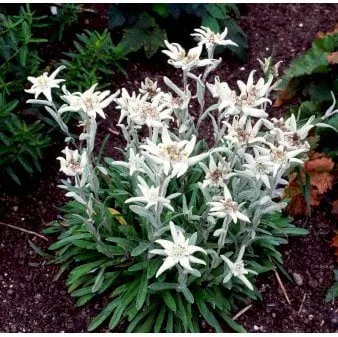
Edelweiss (Leontopodium soul. 'Alpina White') is a compact and slow-growing perennial characterised by its distinctive white flowers and grey-green, elongated leaves. The plant is naturally adapted to alpine conditions and thrives best in full sun with well-drained soil.
It grows to about 25 cm in height and spreads to a width of 20–30 cm. The flowers usually measure between 2 and 5 cm and appear in a white shade that provides a clear contrast in rockeries or on sunny slopes.
Edelweiss is completely hardy and suitable for use in alpine gardens, parks and as ground cover. It can also be used as a cut flower, where its blooms retain their shape and colour for a long time.
The plant requires minimal maintenance but thrives best when it gets plenty of sun and is not too moist. It is therefore ideal for dry, sunny areas where other plants may struggle to establish.
- Low-growing perennial: Grows to about 25 cm tall and forms a dense ground cover.
- White flowers: Flowers measuring 2–5 cm give a classic alpine impression.
- Grey-green leaves: Create a nice contrast to the light flowers.
- Hardy plant: Tolerates cold temperatures and requires minimal maintenance.
- Suitable for alpine gardens: Thrives in full sun and well-drained soil.
Pros and cons
- Hardy and suitable for cold climates
- Low maintenance and slow growth
- Beautiful white flowers with a decorative appearance
- Thrives in full sun and well-drained soil
- May struggle in moist or shady soil
- Slow growth means it takes time to cover larger areas
Pros and cons
Pros
- Hardy and suitable for cold climates
- Low maintenance and slow growth
- Beautiful white flowers with a decorative appearance
- Thrives in full sun and well-drained soil
Cons
- May struggle in moist or shady soil
- Slow growth means it takes time to cover larger areas
Pros
- Hardy and suitable for cold climates
- Low maintenance and slow growth
- Beautiful white flowers with a decorative appearance
- Thrives in full sun and well-drained soil
Cons
- May struggle in moist or shady soil
- Slow growth means it takes time to cover larger areas
Specifications
- Botanical name: Leontopodium soul. 'Alpina White'
- Category: Perennial
- Main category: Perennial
- Use: Alpine gardens, gardens and parks
- Growth form: Ground cover
- Growth: Slow-growing
- Height: 25 cm
- Width: 20–30 cm
- Flower colour: White
- Leaf colour: Greenish and grey-green
- Leaf shape: Elongated
- Flower size: 2–5 cm
- Fruit size: 1–5
- Plant spacing: 35–50 cm
- Placement: Full sun
- Hardiness: Fully hardy
- Fertiliser level: Medium
- Cut flower: Yes
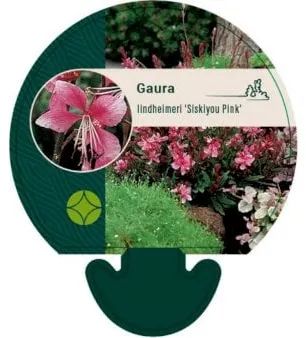
Gaura, botanically known as Gaura lindheimeri 'Siskiyou Pink', is a perennial characterised by its delicate pink flowers and light, upright growth habit. The plant grows to about 50–100 cm in height and spreads to around 30–50 cm.
The leaves are green and lance-shaped, giving the plant a light and airy appearance. It flowers during the summer months, usually from July to September, and the flowers sit on slender stems that move gently in the wind.
Gaura thrives best in sun or partial shade and prefers well-drained soil. It is well suited for planting in gardens and parks, but can also be used in pots where it adds a natural and flowering expression.
The plant is moderately hardy and has a moderate growth rate. It can be used as a cut flower and contributes a light and romantic feel to floral arrangements.
- Long flowering period: Flowers from July to September with pink blooms.
- Suitable for sun and partial shade: Thrives best in bright environments with well-drained soil.
- Upright growth habit: Provides a light and elegant look in borders and pots.
- Useful as a cut flower: The delicate flowers can be used in bouquets.
- Moderate growth rate and hardiness: Requires moderate care and fertilisation.
Pros and cons
- Long flowering period during the summer months
- Light and elegant growth habit
- Suitable for both borders and pots
- Can be used as a cut flower
- Moderately hardy – may need protection during severe winters
- Prefers well-drained soil and may struggle in damp soil
Pros and cons
Pros
- Long flowering period during the summer months
- Light and elegant growth habit
- Suitable for both borders and pots
- Can be used as a cut flower
Cons
- Moderately hardy – may need protection during severe winters
- Prefers well-drained soil and may struggle in damp soil
Pros
- Long flowering period during the summer months
- Light and elegant growth habit
- Suitable for both borders and pots
- Can be used as a cut flower
Cons
- Moderately hardy – may need protection during severe winters
- Prefers well-drained soil and may struggle in damp soil
Specifications
- Botanical name: Gaura lindheimeri 'Siskiyou Pink'
- Category: Perennials
- Height: 50–100 cm
- Width: 30–50 cm
- Flower colour: Pink
- Flowering period: July–September
- Leaf colour: Green
- Leaf shape: Lance-shaped
- Growth habit: Upright
- Placement: Sun / partial shade
- Use: Gardens, parks and pots
- Plant spacing: 100 cm
- Fertilisation level: Medium
- Hardiness: Medium
- Growth: Moderately growing
- Cut flower: Yes
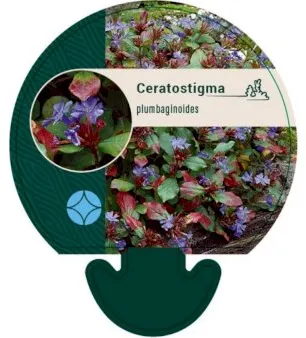
Leadwort (Ceratostigma plumbaginoides) is a compact, ground-covering perennial that forms dense clumps in borders, pots and parks. It grows to about 25 cm high and 20–40 cm wide, making it suitable as an edging plant or for filling gaps in plantings.
The plant thrives best in full sun and ordinary garden soil with a medium nutrient content. It is completely hardy in the Danish climate and requires only moderate fertilisation. Leadwort grows to a medium height and forms a dense ground cover that can help keep weeds away.
The flowers are blue and measure 1–5 cm in diameter. They appear from August to September and provide a clear splash of colour in late summer. The leaves are green and oval, and in autumn they take on a reddish hue that adds extra colour to the garden.
When planting, a spacing of about 50–55 cm between plants is recommended to achieve a dense and uniform result. Leadwort is suitable for gardens, parks and pots, where it can be used as ground cover or as part of a multi-layered planting.
- Low-growing perennial: Forms dense ground cover and is suitable for edging and ground-cover plantings.
- Blue flowers: Gentian-blue flowering in August–September adds colour in late summer.
- Hardy plant: Tolerates the Danish climate and requires only moderate maintenance.
- Decorative autumn colours: The leaves take on reddish tones in autumn.
- Suitable for sunny locations: Thrives best in full sun and ordinary garden soil.
Pros and cons
- Robust and hardy perennial for Danish conditions
- Beautiful blue flowering in late summer
- Low maintenance and good ground-covering effect
- Can be used in borders, pots and parks
- Requires a sunny location for optimal flowering
- Can spread if not kept in check over time
Pros and cons
Pros
- Robust and hardy perennial for Danish conditions
- Beautiful blue flowering in late summer
- Low maintenance and good ground-covering effect
- Can be used in borders, pots and parks
Cons
- Requires a sunny location for optimal flowering
- Can spread if not kept in check over time
Pros
- Robust and hardy perennial for Danish conditions
- Beautiful blue flowering in late summer
- Low maintenance and good ground-covering effect
- Can be used in borders, pots and parks
Cons
- Requires a sunny location for optimal flowering
- Can spread if not kept in check over time
Specifications
- Botanical name: Ceratostigma plumbaginoides
- Danish name: Leadwort
- Plant height: approx. 25 cm
- Plant width: 20–40 cm
- Flower colour: Blue
- Flowering period: August–September
- Leaf colour: Green, with reddish autumn colours
- Leaf shape: Oval
- Growth habit: Ground-covering
- Growth: Medium height
- Placement: Full sun
- Soil type: Ordinary garden soil, medium nutrient level
- Fertilisation level: Medium
- Plant spacing: approx. 50–55 cm
- Hardiness: Fully hardy
- Use: Gardens, parks, pots
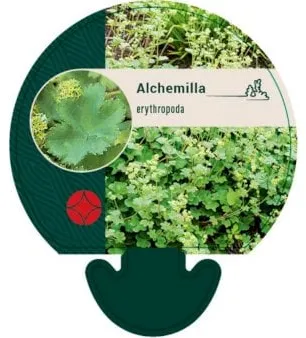
Lady's Mantle (Alchemilla erythropoda) is a compact perennial that grows to about 25 cm tall and thrives in both sun and partial shade. It is known for its soft, slightly hairy leaves that can collect small water droplets along the leaf edge, giving a characteristic, dewy appearance.
The plant flowers from June to September with small lime-coloured to yellow-green flowers in loose clusters. It works well as ground cover and can be planted at a density of about 9 plants per square metre to achieve a uniform cover.
Lady's Mantle is a hardy and easy-to-grow plant that copes with many conditions – from sunny to shady locations. It is suitable for borders, edges and nature-inspired gardens where it contributes structure and colour throughout the growing season.
The decorative leaves and flowers can be used in bouquets and decorations, and the plant requires only minimal care. It is therefore a practical choice for garden owners who want a green and lush look without much maintenance.
- Flowering: June to September with lime-green flowers in loose clusters.
- Growing conditions: Thrives in sun to partial shade and in most soil types.
- Height: About 25 cm, compact and low-growing.
- Planting density: About 9 plants per square metre for dense ground cover.
- Use: Suitable as ground cover, for edges and in bouquets.
Pros and cons
- Very hardy and easy to grow
- Thrives in both sun and shade
- Decorative, hairy leaves with a distinctive appearance
- Long flowering period during summer
- Suitable as ground cover and for cutting
- Can spread if not kept in check
- The flowers are small and modest compared to ornamental perennials with large blooms
Pros and cons
Pros
- Very hardy and easy to grow
- Thrives in both sun and shade
- Decorative, hairy leaves with a distinctive appearance
- Long flowering period during summer
- Suitable as ground cover and for cutting
Cons
- Can spread if not kept in check
- The flowers are small and modest compared to ornamental perennials with large blooms
Pros
- Very hardy and easy to grow
- Thrives in both sun and shade
- Decorative, hairy leaves with a distinctive appearance
- Long flowering period during summer
- Suitable as ground cover and for cutting
Cons
- Can spread if not kept in check
- The flowers are small and modest compared to ornamental perennials with large blooms
Specifications
- Botanical name: Alchemilla erythropoda
- Plant height: About 25 cm
- Planting density: 9 plants per m²
- Flowering time: June–September
- Flower colour: Lime green to yellow-green
- Leaf colour: Green, slightly hairy leaves
- Light conditions: Sun to partial shade
- Growth form: Ground-covering
- Growth rate: Moderate to slow
- Placement: Sun / shade
- Use: Gardens, edges, ground cover, bouquets
- Hardiness: Fully hardy
- Fertiliser level: Medium
- Width: 20–30 cm
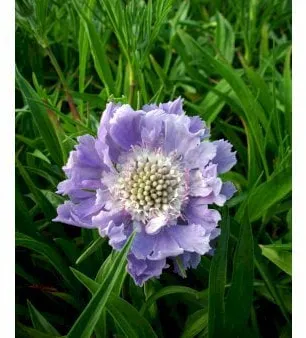
Scabiosa 'Perfecta' (Scabiosa caucasica) is a perennial that develops large violet-blue flowers on slender but strong stems. The plant flowers from June to October and adds a light and elegant structure to the garden.
It thrives best in a bright location with full sun and in well-drained soil. The leaves are dark green and deeply lobed, giving the plant a characteristic appearance even outside the flowering period.
With a height of around 70 cm and a planting density of 5–6 plants per square metre, it is suitable both as a background plant in the perennial border and as part of a dense flower group. It is also suitable for cutting, as the flowers retain their shape and colour in a vase.
Scabiosa 'Perfecta' is popular among bees and hoverflies, making it a good choice for those who want to promote biodiversity in the garden.
- Long flowering: From June to October with large violet-blue flowers.
- Suitable for cutting: Retains shape and colour in bouquets.
- Thrives in sun: Prefers full sun and well-drained soil.
- Attracts insects: Loved by bees and hoverflies.
- Medium growth: Upright growth form with a height of about 70 cm.
Pros and cons
- Long flowering period from summer to autumn
- Suitable for both borders and bouquets
- Attracts pollinating insects
- Easy to grow in sunny and well-drained conditions
- Does not thrive in heavy or wet soil
- Requires a sunny position for optimal flowering
Pros and cons
Pros
- Long flowering period from summer to autumn
- Suitable for both borders and bouquets
- Attracts pollinating insects
- Easy to grow in sunny and well-drained conditions
Cons
- Does not thrive in heavy or wet soil
- Requires a sunny position for optimal flowering
Pros
- Long flowering period from summer to autumn
- Suitable for both borders and bouquets
- Attracts pollinating insects
- Easy to grow in sunny and well-drained conditions
Cons
- Does not thrive in heavy or wet soil
- Requires a sunny position for optimal flowering
Specifications
- Botanical name: Scabiosa caucasica 'Perfecta'
- Category: Perennial
- Height: approx. 70 cm
- Width: 30–50 cm
- Planting density: 5–6 plants per m²
- Flowering time: June–October
- Flower colour: Violet-blue
- Leaf colour: Green
- Growth form: Upright
- Placement: Full sun
- Soil type: Well-drained
- Use: Gardens, parks, pots, cutting
- Hardiness: Fully hardy
- Growth: Normal to medium growth
- Pot variants: 0.8 litre and 1 litre
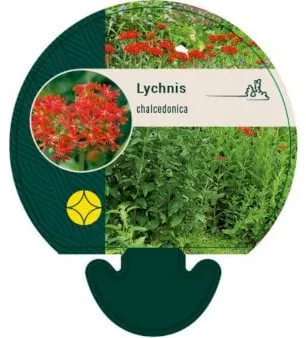
Burning Love (Lychnis chalcedonica) is a perennial characterised by its upright stems and flat flower clusters in bright orange-red shades. The plant grows to about 100 cm tall and has oval, fresh green leaves that form a dense and harmonious growth.
Perennials bloom in June and July and can continue into late summer. It thrives best in full sun and in ordinary garden soil, where it develops best with a medium level of fertilisation. It is fully hardy and therefore suitable for most British gardens.
Burning Love is often used in perennial borders, gardens and parks, and it is also suitable as a cut flower thanks to its sturdy stems and long-lasting blooms. With its upright growth form and striking colour, it adds life and structure to flower beds.
- Tall perennial: Up to approx. 100 cm with upright growth form.
- Flowering: June–July, with orange-red flowers in flat clusters.
- Placement: Thrives best in full sun.
- Leaf shape: Oval, fresh green leaves.
- Use: Suitable for gardens, parks and as a cut flower.
Pros and cons
- Hardy and suitable for British climate conditions
- Long flowering period during the summer months
- Striking orange-red colour that provides contrast in the border
- Can be used as a cut flower
- Requires a sunny position for optimal flowering
- Can grow tall and may need support in windy areas
Pros and cons
Pros
- Hardy and suitable for British climate conditions
- Long flowering period during the summer months
- Striking orange-red colour that provides contrast in the border
- Can be used as a cut flower
Cons
- Requires a sunny position for optimal flowering
- Can grow tall and may need support in windy areas
Pros
- Hardy and suitable for British climate conditions
- Long flowering period during the summer months
- Striking orange-red colour that provides contrast in the border
- Can be used as a cut flower
Cons
- Requires a sunny position for optimal flowering
- Can grow tall and may need support in windy areas
Specifications
- Botanical name: Lychnis chalcedonica
- Height: 50–100 cm
- Width: 20–40 cm
- Flower colour: Orange-red, orange
- Flowering period: June–July (summer, autumn)
- Leaf colour: Green, fresh green
- Leaf shape: Oval
- Growth form: Upright
- Growth: Normal, medium-growing
- Placement: Full sun
- Hardiness: Fully hardy
- Plant spacing: 38–55 cm
- Use: Gardens and parks, cut flower
- Fertilisation level: Medium
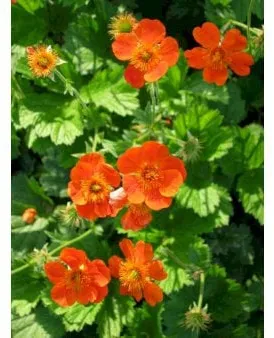
Avens 'Nordek' (Geum heldreichii) is a dense, ground-covering perennial that forms small colonies and adds structure to borders. It grows to about 30–40 cm tall and often has evergreen leaves that maintain the plant’s visual value year-round.
Flowering occurs in June–July, when the plant produces bright orange flowers, followed by decorative, hairy seed heads. Under favourable conditions, a smaller second flowering may occur in late summer.
The plant thrives best in sun or light shade and prefers well-drained soil that is not too dry. It is suitable as ground cover and can be planted at a density of 7–9 plants per square metre.
Avens attracts a range of pollinators, including bumblebees, solitary bees, hoverflies, and butterflies seeking nectar from the flowers. It is therefore a good choice for gardeners who wish to promote biodiversity.
With its moderate growth and ability to form green clumps, it fits well in perennial borders, edging plantings, and as part of mixed plantings where it contributes warm colours and natural fullness.
- Flower colour: Bright orange flowers in June–July.
- Height: Approx. 30–40 cm.
- Growth form: Dense and ground-covering, often evergreen.
- Placement: Sun to partial shade, preferably slightly moist soil.
- Biodiversity: Attracts bees, hoverflies, and butterflies.
Pros and cons
- Long flowering period with strong colours
- Often evergreen and decorative all year round
- Suitable as ground cover and for edging
- Attracts pollinating insects
- Hardy and easy to grow in ordinary garden soil
- Performs less well in very dry soil
- Requires consistent moisture for optimal growth
Pros and cons
Pros
- Long flowering period with strong colours
- Often evergreen and decorative all year round
- Suitable as ground cover and for edging
- Attracts pollinating insects
- Hardy and easy to grow in ordinary garden soil
Cons
- Performs less well in very dry soil
- Requires consistent moisture for optimal growth
Pros
- Long flowering period with strong colours
- Often evergreen and decorative all year round
- Suitable as ground cover and for edging
- Attracts pollinating insects
- Hardy and easy to grow in ordinary garden soil
Cons
- Performs less well in very dry soil
- Requires consistent moisture for optimal growth
Specifications
- Botanical name: Geum heldreichii 'Nordek'
- Swedish name: Avens
- Category: Perennial
- Height: 30–40 cm
- Width: 20–30 cm
- Planting density: 7–9 plants per m²
- Flowering time: June–July (possible second flowering in August/September)
- Flower colour: Orange to orange-red
- Leaf colour: Green, often evergreen
- Placement: Sun / partial shade
- Soil type: Not too dry, preferably slightly moist
- Growth form: Ground-covering, colony-forming
- Hardiness: Fully hardy
- Use: Perennial and edging beds, ground cover, biodiversity
- Cut flower: Suitable as a cut flower
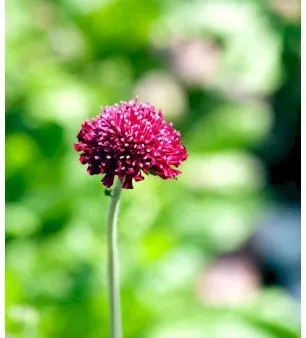
Field Scabious (Knautia macedonica 'Mars Midget') is a perennial that forms low clumps and produces dark red flower heads 1–5 cm in diameter. The flowering period extends from June to September, adding intense colour to the garden during summer.
The plant usually grows 20–40 cm high and wide and has dark green, lobed leaves that form a dense and decorative mat. It is well suited as a border plant or for the front of perennial beds, where it can be planted about 50 cm apart.
Field Scabious thrives best in full sun and well-drained soil. It requires only moderate fertilisation and is fully hardy, making it suitable for both gardens and parks. The species is known for its robustness and ability to withstand dry conditions.
- Long flowering period: From June to September with dark red flowers.
- Compact growth habit: 20–40 cm high and wide, clump-forming growth form.
- Hardy and undemanding: Tolerates dry conditions and requires only moderate fertilisation.
- Suitable for sunny locations: Thrives best in full sun.
- Versatile use: Suitable for pots, borders and beds.
Pros and cons
- Long flowering period during summer
- Robust and fully hardy plant
- Suitable for sunny and dry locations
- Low and compact growth form, ideal for borders and pots
- Requires a sunny location for optimal flowering
- May need well-drained soil to avoid rot
Pros and cons
Pros
- Long flowering period during summer
- Robust and fully hardy plant
- Suitable for sunny and dry locations
- Low and compact growth form, ideal for borders and pots
Cons
- Requires a sunny location for optimal flowering
- May need well-drained soil to avoid rot
Pros
- Long flowering period during summer
- Robust and fully hardy plant
- Suitable for sunny and dry locations
- Low and compact growth form, ideal for borders and pots
Cons
- Requires a sunny location for optimal flowering
- May need well-drained soil to avoid rot
Specifications
- Botanical name: Knautia macedonica 'Mars Midget'
- Plant height: 20–40 cm (can reach up to 50 cm)
- Plant width: 20–40 cm
- Flower colour: Dark red to red
- Flower size: 1–5 cm
- Flowering period: June–September
- Leaf colour: Dark green, lobed
- Growth form: Clump-forming
- Placement: Full sun
- Fertilisation level: Medium
- Hardiness: Fully hardy
- Use: Gardens, parks, pots
- Plant spacing: Approx. 50 cm
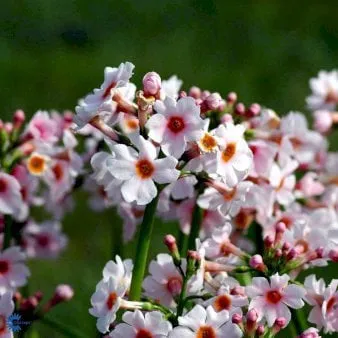
Japanese Primula, botanically known as Primula japonica 'Apple Blossom', is a perennial originating from moist forest areas in East Asia. It is known for its elegant flowers in soft pink shades, which appear in tiers on tall stems during early summer.
The plant has elongated, green leaves that form a dense clump at ground level. It prefers partial shade and moist, nutrient-rich soil, where it can develop into a stable and long-lived perennial.
With a height of about 50–60 cm and a width of 20–40 cm, it is well suited for planting by streams, in woodland beds, or in other moist garden areas. The flowers, measuring 3–5 cm in diameter, add a light and natural expression to the planting.
Japanese Primula is fully hardy under Swedish conditions and requires only minimal maintenance, apart from keeping the soil moist during the growing season.
- Flowering: June–July with light pink flowers in tiers.
- Growth form: Clump-forming and medium-growing perennial.
- Placement: Thrives best in partial shade and moist soil.
- Height and width: About 50–60 cm tall and 20–40 cm wide.
- Hardiness: Fully hardy and suitable for Swedish conditions.
Pros and cons
- Beautiful and natural flowering in soft pink shades
- Thrives in moist and partially shaded areas
- Fully hardy and perennial
- Suitable for planting by water and in woodland beds
- Requires moist soil to thrive optimally
- May struggle in dry or sunny environments
Pros and cons
Pros
- Beautiful and natural flowering in soft pink shades
- Thrives in moist and partially shaded areas
- Fully hardy and perennial
- Suitable for planting by water and in woodland beds
Cons
- Requires moist soil to thrive optimally
- May struggle in dry or sunny environments
Pros
- Beautiful and natural flowering in soft pink shades
- Thrives in moist and partially shaded areas
- Fully hardy and perennial
- Suitable for planting by water and in woodland beds
Cons
- Requires moist soil to thrive optimally
- May struggle in dry or sunny environments
Specifications
- Botanical name: Primula japonica 'Apple Blossom'
- Plant category: Perennial
- Flowering period: June–July
- Flower colour: Light pink
- Leaf colour: Green
- Leaf shape: Elongated
- Growth form: Clump-forming
- Growth rate: Medium-growing
- Height: 50–60 cm
- Width: 20–40 cm
- Plant spacing: 35 cm
- Placement: Sun / partial shade
- Optimal growing conditions: Partial shade, moist soil
- Hardiness: Fully hardy
- Fertilisation level: Medium
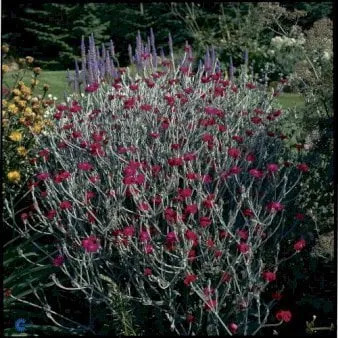
Rose campion (Lychnis coronaria) is a perennial characterised by its grey-blue, elongated leaves and upright growth habit. The plant creates a striking contrast in the border with its dark red flowers, which usually measure 1–5 cm in diameter.
Flowering occurs from June to September, providing a long period of colour in the garden. It grows to about 50–100 cm tall and 20–30 cm wide and should be planted about 55 cm apart for optimal growth.
Rose campion thrives best in full sun and well-drained soil. It is fully hardy and requires only moderate fertilisation, making it suitable for both beginners and experienced gardeners who want a robust and decorative plant.
With its upright growth habit and silvery-grey foliage, Rose campion works well as a contrast plant in perennial borders, and it can also be used as a cut flower.
- Long flowering period: From June to September with dark red flowers.
- Decorative foliage: Silvery-grey, elongated leaves provide contrast in the border.
- Hardy and easy to care for: Tolerates full sun and requires only moderate maintenance.
- Upright growth habit: Adds structure and height to perennial borders.
- Suitable as a cut flower: The flowers can be used in bouquets.
Pros and cons
- Long flowering period during summer
- Hardy and low maintenance
- Thrives in full sun and well-drained soil
- Decorative greyish foliage and strong flower colours
- Can be used as a cut flower
- Requires a sunny position for optimal flowering
- May lose its ornamental value if the soil is too moist or heavy
Pros and cons
Pros
- Long flowering period during summer
- Hardy and low maintenance
- Thrives in full sun and well-drained soil
- Decorative greyish foliage and strong flower colours
- Can be used as a cut flower
Cons
- Requires a sunny position for optimal flowering
- May lose its ornamental value if the soil is too moist or heavy
Pros
- Long flowering period during summer
- Hardy and low maintenance
- Thrives in full sun and well-drained soil
- Decorative greyish foliage and strong flower colours
- Can be used as a cut flower
Cons
- Requires a sunny position for optimal flowering
- May lose its ornamental value if the soil is too moist or heavy
Specifications
- Botanical name: Lychnis coronaria
- Swedish name: Rose campion
- Category: Perennials (Caryophyllaceae)
- Height: 50–100 cm
- Width: 20–30 cm
- Flower colour: Dark red
- Leaf colour: Grey to grey-blue
- Leaf shape: Elongated
- Flower size: 1–5 cm
- Flowering period: June–September
- Light conditions: Full sun
- Growth habit: Upright
- Growth rate: Moderate
- Fertilisation level: Moderate
- Hardiness: Fully hardy
- Plant spacing: Approx. 55 cm
- Use: Gardens and parks, solitary or in groups, suitable as a cut flower
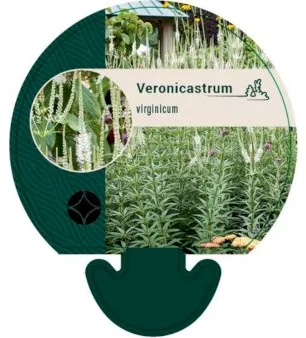
Culver’s Root, botanically known as Veronicastrum virginicum, is a perennial plant that forms tall, straight stems with whorled, narrow leaves. The plant grows to about 120 cm tall and requires no staking, despite its slender and upright growth habit.
It thrives best in a bright and sunny location where it develops its characteristic flower spikes in light blue-purple colours from July to September. The flowers are densely packed in long, pointed clusters that give a light and elegant expression in the border.
The plant is recommended to be planted with about three specimens per square metre to achieve a dense and harmonious appearance. After flowering, decorative seed heads form that can be used in bouquets and decorations while adding structure to the garden during autumn.
Culver’s Root is known for attracting butterflies, hoverflies and bees, making it a valuable choice for those who want to promote biodiversity in the garden.
- Tall and upright growth: Grows up to 120 cm without the need for staking.
- Flowering period: July to September with light blue-purple flowers.
- Placement: Thrives best in full sun in a bright location.
- Planting density: About 3 plants per square metre for a full appearance.
- Attracts insects: The flowers are attractive to bees, butterflies and hoverflies.
- Decorative seed heads: Add structure to the border and can be used in bouquets.
Pros and cons
- Long flowering period in mid-summer
- Requires minimal support despite its height
- Attracts many pollinating insects
- Decorative both during and after flowering
- Requires a sunny location for optimal growth
- May appear dominant in small borders due to its height
Pros and cons
Pros
- Long flowering period in mid-summer
- Requires minimal support despite its height
- Attracts many pollinating insects
- Decorative both during and after flowering
Cons
- Requires a sunny location for optimal growth
- May appear dominant in small borders due to its height
Pros
- Long flowering period in mid-summer
- Requires minimal support despite its height
- Attracts many pollinating insects
- Decorative both during and after flowering
Cons
- Requires a sunny location for optimal growth
- May appear dominant in small borders due to its height
Specifications
- Botanical name: Veronicastrum virginicum
- Swedish name: Culver’s Root
- Plant height: approx. 120 cm
- Flower colour: Light blue-purple
- Flowering period: July–September
- Placement: Bright, preferably sunny location
- Planting density: 3 plants per square metre
- Category: Culver’s Root
- Main category: Perennials
- Archetype: Plant
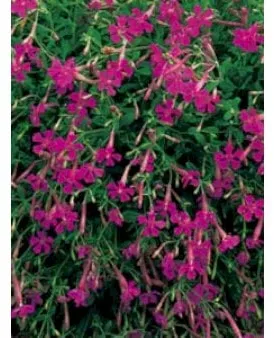
Autumn Catchfly, botanically known as Silene schafta 'Splendens', is a low, compact perennial that forms a dense ground cover. The plant grows to about 20 cm tall and has an even, moderately strong growth habit.
It thrives best in sun to partial shade and in ordinary, well-drained garden soil. Flowering occurs from August to September, when the plant is covered with dark pink flowers that add colour to the late summer garden.
Autumn Catchfly is particularly suitable for rock gardens, border plantings and as ground cover between larger plants. With about nine plants per square metre, a quick and dense cover is achieved that helps keep weeds away.
The leaves are green to dark green and lance-shaped, and the plant is fully hardy under Swedish conditions. It requires only moderate fertilisation and minimal maintenance, making it suitable for both experienced and new garden owners.
- Flowering: August to September with dark pink flowers.
- Growth habit: Low and ground-covering, about 20 cm tall.
- Placement: Sun to partial shade in ordinary garden soil.
- Use: Suitable for rock gardens and as ground cover.
- Hardiness: Fully winter hardy under Swedish conditions.
Pros and cons
- Low and dense growth that effectively covers the ground
- Long flowering period during late summer
- Thrives in both sun and partial shade
- Requires minimal care and maintenance
- Fully hardy and suitable for Swedish conditions
- May need well-drained soil to avoid winter moisture
- Flowering is concentrated in late summer
Pros and cons
Pros
- Low and dense growth that effectively covers the ground
- Long flowering period during late summer
- Thrives in both sun and partial shade
- Requires minimal care and maintenance
- Fully hardy and suitable for Swedish conditions
Cons
- May need well-drained soil to avoid winter moisture
- Flowering is concentrated in late summer
Pros
- Low and dense growth that effectively covers the ground
- Long flowering period during late summer
- Thrives in both sun and partial shade
- Requires minimal care and maintenance
- Fully hardy and suitable for Swedish conditions
Cons
- May need well-drained soil to avoid winter moisture
- Flowering is concentrated in late summer
Specifications
- Botanical name: Silene schafta 'Splendens'
- Common name: Autumn Catchfly
- Category: Perennials / Catchfly
- Height: approx. 20 cm
- Width: 20–40 cm
- Flower colour: Dark pink
- Leaf colour: Green to dark green
- Leaf shape: Lance-shaped
- Flowering period: August–September
- Placement: Sun to partial shade
- Growth habit: Ground-covering, moderately strong growth
- Use: Rock garden, ground cover, gardens and parks
- Number per m²: approx. 9
- Hardiness: Fully hardy
- Fertilisation level: Medium
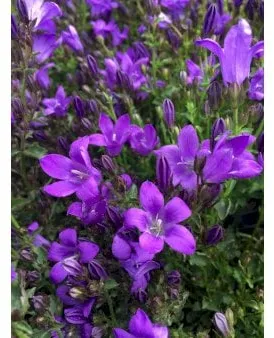
Creeping Bellflower 'Catharina' (Campanula port. 'Catharina') is a low, compact perennial that forms a dense green mat over the ground. It grows to about 15 cm high and is well suited as ground cover in borders, rock gardens, or along edges, where it can create a uniform and lush impression.
The plant thrives best in a light or slightly shaded location and prefers well-drained soil. It has a high planting density of 7–9 plants per square metre, which provides effective ground coverage and reduces weed growth.
Flowering occurs from June to July, often with a smaller second bloom in August and September. The many violet, bell-shaped flowers cover the plant in large quantities and add colour and life to the garden during the summer.
Creeping Bellflower 'Catharina' is suitable as ground cover in bright locations, where it contributes structure and colour during much of the growing season.
- Low-growing ground cover: Forms a dense mat that effectively covers the ground.
- Flowering: Violet bell-shaped flowers from June to July, often with a second bloom in late summer.
- Growing conditions: Thrives in light or partial shade in well-drained soil.
- Planting density: 7–9 plants per square metre for optimal coverage.
- Height: About 15 cm – ideal for the front of borders or rock gardens.
Pros and cons
- Dense and low growth that effectively covers the ground
- Long flowering period with the possibility of a second bloom
- Suitable for both sunny and lightly shaded areas
- Requires minimal maintenance once established
- Can be sensitive to standing water in heavy soil
- Needs several plants per square metre to achieve full coverage
Pros and cons
Pros
- Dense and low growth that effectively covers the ground
- Long flowering period with the possibility of a second bloom
- Suitable for both sunny and lightly shaded areas
- Requires minimal maintenance once established
Cons
- Can be sensitive to standing water in heavy soil
- Needs several plants per square metre to achieve full coverage
Pros
- Dense and low growth that effectively covers the ground
- Long flowering period with the possibility of a second bloom
- Suitable for both sunny and lightly shaded areas
- Requires minimal maintenance once established
Cons
- Can be sensitive to standing water in heavy soil
- Needs several plants per square metre to achieve full coverage
Specifications
- Botanical name: Campanula port. 'Catharina'
- Swedish name: Creeping Bellflower 'Catharina'
- Plant height: about 15 cm
- Planting density: 7–9 plants per square metre
- Flowering time: June–July, often second bloom in August–September
- Flower colour: Violet
- Growing conditions: Light or partial shade
- Category: Bellflower
- Main category: Perennials
- Archetype: Plant
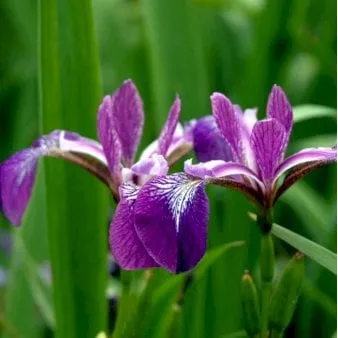
Iris versicolor is a perennial that naturally grows in moist areas and along waterways. It is known for its characteristic blue-violet flowers and its ability to form large, dense stands over time.
The plant thrives best in moist or wet soil and can even be planted in shallow water, where both roots and parts of the leaves stand below the water surface. This makes it suitable for use in garden ponds, rain beds, and swampy parts of the garden.
As a perennial plant, Iris versicolor returns year after year and can over time create a natural and lush expression in the garden. It is particularly appreciated for its robustness and its ability to adapt to different moisture levels.
- Species name: Iris versicolor
- Also known as: American blue flag or 'Blue Flag'
- Growing conditions: Thrives in moist soil and shallow water
- Growth habit: Forms large colonies over time
- Use: Suitable for garden ponds and moist borders
Pros and cons
- Tolerates both moist soil and shallow water
- Can form dense and decorative stands
- Suitable for natural and waterside plantings
- Requires moist soil to thrive optimally
- Not suitable for dry growing sites
Pros and cons
Pros
- Tolerates both moist soil and shallow water
- Can form dense and decorative stands
- Suitable for natural and waterside plantings
Cons
- Requires moist soil to thrive optimally
- Not suitable for dry growing sites
Pros
- Tolerates both moist soil and shallow water
- Can form dense and decorative stands
- Suitable for natural and waterside plantings
Cons
- Requires moist soil to thrive optimally
- Not suitable for dry growing sites
Specifications
- Botanical name: Iris versicolor
- Plant group: Perennials
- Category: Iris
- Origin: North America
- Growing conditions: Moist soil or shallow water
- Pot sizes: 0.8 litres and 1 litre
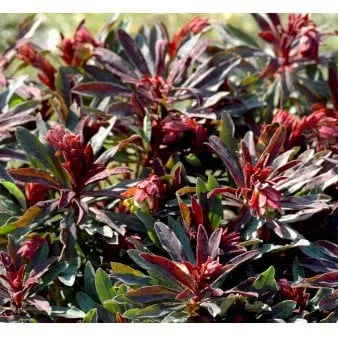
Spurge 'Purpurea' (Euphorbia amygdaloides 'Purpurea') is a low, upright-growing perennial characterised by its reddish foliage and evergreen nature under sheltered conditions. The plant grows to about 30–50 cm high and 20–30 cm wide, forming a dense, compact growth habit.
It thrives best in partial shade to shade and prefers well-drained soil. The foliage has a red-green hue that provides contrast in plantings, and from April to June the plant produces small green-yellow flowers in clusters that add life and structure to the garden.
Spurge 'Purpurea' is suitable for edging, pots, and as part of woodland beds. The recommended planting density is 5–6 plants per square metre to achieve a full planting. The plant sap is toxic and should be handled with care.
The plant is fully hardy and requires minimal maintenance. It can be used as an ornamental plant in gardens and parks, where it contributes colour and texture throughout the growing season.
- Reddish foliage: Adds colour and contrast in shady borders.
- Evergreen: Retains foliage during mild winters in sheltered environments.
- Spring flowering: Small green-yellow flowers from April to June.
- Suitable for partial shade and shade: Thrives where many other perennials do not.
- Toxic sap: Requires careful handling when pruning and planting.
Pros and cons
- Decorative red-leaved foliage with evergreen effect
- Tolerates partial shade and shade
- Long flowering period in spring
- Suitable for pots and edging
- Hardy and easy to care for
- The plant sap is toxic and can irritate skin and eyes
- Requires well-drained soil to avoid root problems
Pros and cons
Pros
- Decorative red-leaved foliage with evergreen effect
- Tolerates partial shade and shade
- Long flowering period in spring
- Suitable for pots and edging
- Hardy and easy to care for
Cons
- The plant sap is toxic and can irritate skin and eyes
- Requires well-drained soil to avoid root problems
Pros
- Decorative red-leaved foliage with evergreen effect
- Tolerates partial shade and shade
- Long flowering period in spring
- Suitable for pots and edging
- Hardy and easy to care for
Cons
- The plant sap is toxic and can irritate skin and eyes
- Requires well-drained soil to avoid root problems
Specifications
- Botanical name: Euphorbia amygdaloides 'Purpurea'
- Swedish name: Spurge 'Purpurea'
- Plant height: 30–50 cm
- Plant width: 20–30 cm
- Planting density: 5–6 plants per m²
- Flowering time: April–June
- Flower colour: Green-yellow
- Leaf colour: Red, reddish, red-green
- Leaf shape: Oblong
- Placement: Partial shade / shade
- Light conditions: Shade, partial shade
- Growth form: Upright
- Growth rate: Normal, medium-growing
- Hardiness: Fully hardy
- Use: Gardens, parks, pots
- Toxicity: The plant sap is toxic
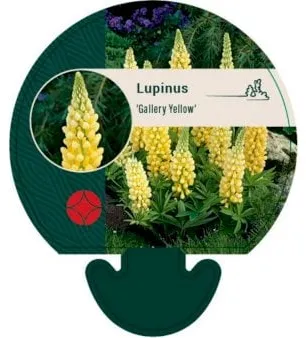
Lupin 'Gallery Yellow' is a perennial plant that forms upright flower spikes with bright yellow flowers during the summer months. The flowers are about 10–25 cm long and emit a light fragrance that attracts insects.
The plant usually grows 50–70 cm high and 20–40 cm wide. It has green, divided leaves and an upright growth habit, making it suitable for planting in borders, along paths, or as a background plant in perennial beds.
It thrives best in sun or partial shade and should be planted about 45 cm apart to ensure good air circulation. The soil should be well-drained, and the plant responds positively to moderate fertilisation. It is fully hardy and suitable for both gardens and parks.
As part of the 'Gallery' series, this lupin is known for its compact growth and rich flowering, making it a reliable choice in many types of plantings.
- Flowering: Yellow flower spikes of 10–25 cm from June to September.
- Growth habit: Upright and medium-growing with green, divided leaves.
- Placement: Thrives in sun or partial shade with about 45 cm plant spacing.
- Hardiness: Fully hardy and suitable for Swedish climate conditions.
- Use: Suitable for borders, parks and edging.
Pros and cons
- Long flowering period during the summer months
- Bright yellow colour that provides contrast in plantings
- Robust and fully hardy plant
- Suitable for both sun and partial shade
- Attracts pollinating insects
- Requires regular fertilisation for optimal growth
- May lose its floral splendour in overly moist or heavy soil
- Should be planted with spacing to avoid fungal diseases
Pros and cons
Pros
- Long flowering period during the summer months
- Bright yellow colour that provides contrast in plantings
- Robust and fully hardy plant
- Suitable for both sun and partial shade
- Attracts pollinating insects
Cons
- Requires regular fertilisation for optimal growth
- May lose its floral splendour in overly moist or heavy soil
- Should be planted with spacing to avoid fungal diseases
Pros
- Long flowering period during the summer months
- Bright yellow colour that provides contrast in plantings
- Robust and fully hardy plant
- Suitable for both sun and partial shade
- Attracts pollinating insects
Cons
- Requires regular fertilisation for optimal growth
- May lose its floral splendour in overly moist or heavy soil
- Should be planted with spacing to avoid fungal diseases
Specifications
- Botanical name: Lupinus 'Gallery Yellow'
- Plant height: 50–70 cm
- Plant width: 20–40 cm
- Flower colour: Yellow
- Flowering period: June–September
- Flower size: 10–25 cm
- Leaf colour: Green
- Leaf shape: Divided
- Growth habit: Upright
- Growth rate: Medium-growing
- Placement: Sun / partial shade
- Plant spacing: Approx. 45 cm
- Fertilisation level: Medium
- Hardiness: Fully hardy
- Use: Gardens and parks
- Suitable as cut flower: Yes
- Category: Perennials, Lupin
Læs også: