Make the Most of Your Vacation Home Project with the Right Grants


Make the Most of Your Vacation Home Project with the Right Grants
Dreaming of building a new vacation home, renovating your existing one, or making it more energy-efficient? Before you start, it’s worth exploring what kinds of grants, rebates, and incentives might help you save money. Many homeowners overlook the fact that there are numerous federal, state, and local programs designed to support home improvement and energy-efficiency projects. With the right information, you can stretch your budget further and increase the long-term value of your property. Here’s how to make the most of your vacation home project with the right grants.
Start with a Plan—and a Realistic Budget
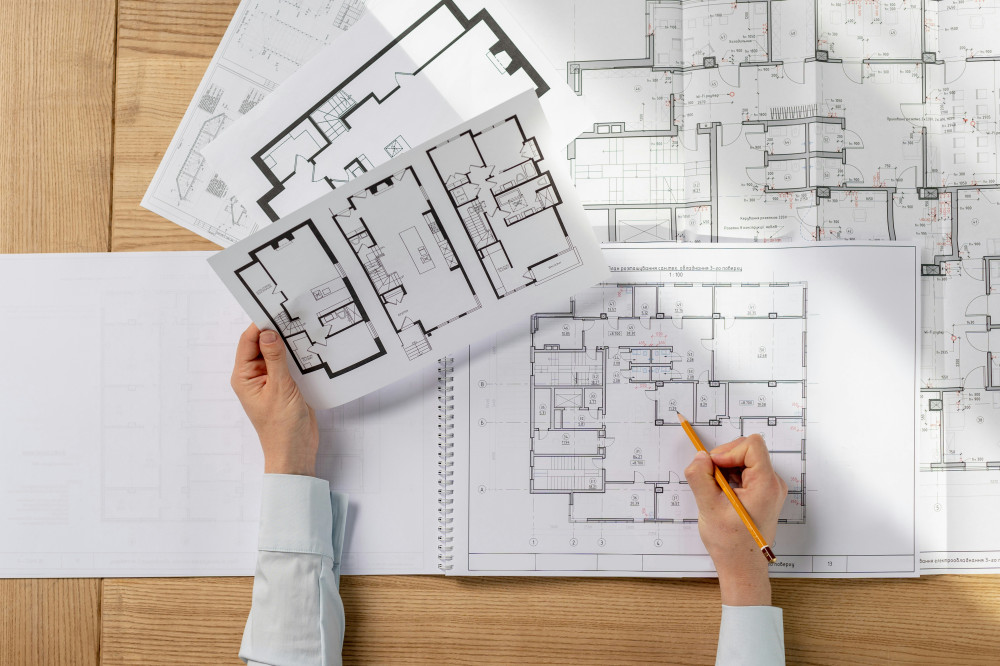
Before applying for any grant or rebate, you’ll need a clear plan for your project. Are you replacing the roof, upgrading insulation, installing a heat pump, or adding solar panels? The more specific your project description, the easier it will be to identify relevant funding opportunities.
Create a detailed budget that includes materials, labor, and a cushion for unexpected costs. Most grant and rebate programs require documentation such as itemized invoices, so keep all receipts and contracts. If your project involves energy upgrades, consider hiring a certified energy auditor to assess where improvements will have the biggest impact.
Læs også:



Energy-Efficiency Upgrades: Save Money and Qualify for Incentives
Energy-efficient improvements are among the most common projects eligible for financial support. Depending on your location and the type of property, you may qualify for federal tax credits, state rebates, or utility company incentives. Popular options include:
- Insulation upgrades – Adding or improving insulation in walls, attics, or floors can reduce heating and cooling costs.
- Energy-efficient windows and doors – Replacing old windows with ENERGY STAR®-rated models can significantly cut energy loss.
- Heat pumps and efficient HVAC systems – The federal government currently offers tax credits for qualifying heat pumps and air conditioners.
- Solar panels – The federal Clean Energy Credit allows homeowners to claim a percentage of installation costs for solar systems.
Check the Database of State Incentives for Renewables & Efficiency (DSIRE) to find programs available in your state. Many utilities also offer rebates for energy-saving upgrades, so it’s worth contacting your local provider.
Go Green for Extra Benefits
Incorporating sustainability into your vacation home project can open the door to additional funding. Some states and municipalities offer grants or low-interest loans for eco-friendly features such as rainwater collection systems, native landscaping, or green roofing materials.
You may also qualify for federal tax deductions or energy-efficient mortgage programs if your improvements meet certain environmental standards. Combining multiple green upgrades—like pairing solar panels with improved insulation—can maximize both your savings and your eligibility for incentives.
How to Apply for Grants and Rebates
- Research your options – Start with federal programs like those listed on EnergyStar.gov, then check state and local resources.
- Review eligibility requirements – Some programs apply only to primary residences, while others include vacation or secondary homes.
- Apply before starting work – Many grants require pre-approval, so don’t begin construction until your application is accepted.
- Submit documentation – Provide detailed project descriptions, contractor estimates, and proof of ownership.
- Complete the project and verify results – Keep records of all expenses and, if required, schedule an inspection or energy audit.
- Receive your funds or tax credit – Once approved, you’ll either receive a direct rebate or claim the credit when filing your taxes.
The process can seem complex, but many contractors and energy consultants are familiar with these programs and can help you navigate the paperwork.
Know the Rules for Vacation Homes
Vacation homes are subject to different rules than primary residences, especially when it comes to tax credits and energy incentives. Some federal programs, such as the Clean Energy Credit, apply to second homes, while others do not. Always confirm eligibility before applying.
If you rent out your vacation home part of the year, additional programs may apply under business or rental property categories. Check with a tax professional to ensure you’re taking advantage of all available benefits without violating any regulations.
Get Professional Advice
While online resources are a great starting point, professional guidance can help you make smarter decisions. A licensed contractor, energy auditor, or financial advisor can help you identify the most cost-effective improvements and ensure your project meets all program requirements.
Some banks and credit unions also offer green home improvement loans with favorable terms for energy-efficient projects. Combining these with grants or rebates can make your renovation more affordable.
A Vacation Home That Pays Off
A well-planned vacation home project is more than just a personal retreat—it’s an investment. Energy-efficient upgrades and sustainable materials can increase your property’s value, lower utility bills, and make it more appealing if you ever decide to rent or sell.
By taking advantage of the right grants and incentives, you can make your dream project more affordable while contributing to a cleaner, more sustainable future. It takes a bit of research and preparation, but the financial and environmental rewards are well worth the effort.
Læs også: