Plan installations so the work takes as little time as possible

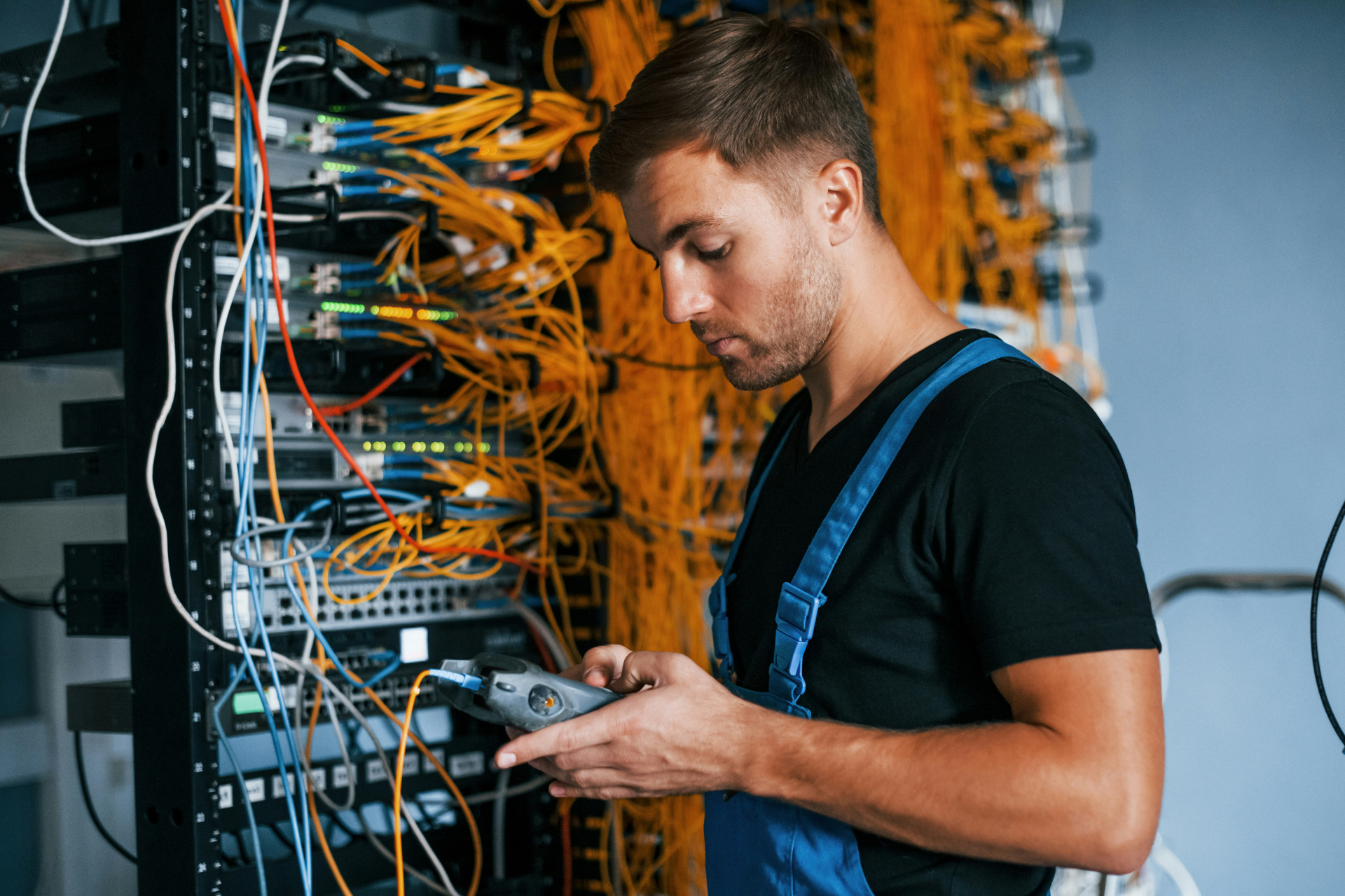
Plan installations so the work takes as little time as possible
When you’re planning new installations in your home—whether it’s electrical wiring, plumbing, HVAC, or smart home systems—good preparation can save you time, money, and stress. Many home improvement projects take longer than expected because materials aren’t ready, contractors have to wait for each other, or the work isn’t properly coordinated. With a solid plan, you can make sure the job runs smoothly and efficiently without compromising quality.
Start with a complete plan
The first step is to get a clear overview of the entire project. If you’re having multiple types of installations done, it’s important to think about how they connect. Electrical, plumbing, and HVAC systems often overlap, and coordinating them from the start can prevent costly delays.
Create a plan that outlines:
- What installations need to be done.
- The order in which they should be completed.
- Which contractors or trades are involved.
- When materials and equipment need to be on site.
A well-structured plan helps you avoid rework—like having to open up walls multiple times because different trades worked independently.
Coordinate your contractors
One of the biggest time-wasters in installation projects is downtime between trades. The electrician can’t start until the drywall is up, and the plumber might need access to the same area later. That’s why coordination is key.
If you’re managing the project yourself, create a detailed schedule and hold short check-in meetings to keep everyone aligned. For larger projects, it may be worth hiring a general contractor or project manager to handle coordination. It adds some cost, but it can save many hours of wasted time and prevent scheduling conflicts.
Make sure everything is ready before work begins
Delays often happen because materials or tools are missing. Make sure all necessary supplies—pipes, wires, outlets, fixtures, and fittings—are ordered and delivered before the work starts. Don’t overlook small items like screws, connectors, or sealants; it’s often the little things that cause the biggest holdups.
Also, ensure that the work area is ready. Clear out furniture and obstacles, and make sure there’s access to power, water, and Wi-Fi if needed. A clean, organized workspace helps contractors work faster and more safely.
Think ahead to avoid rework
When planning installations, consider your future needs. Are you thinking about adding solar panels, an EV charger, or a home office later? You can prepare wiring or conduit now while walls and floors are open. It takes only a little extra time now but can save hours and money down the road.
The same goes for smart home systems. If you’re considering smart thermostats, lighting controls, or sensors, plan for wiring and device placement early. It’s much easier to integrate these features during the initial installation than to retrofit them later.
Document everything
Good documentation is invaluable—for you and for anyone who works on your home in the future. Take photos of installations before they’re covered up, and keep copies of drawings, manuals, and receipts. This makes it easier to troubleshoot issues, expand systems, or perform maintenance later.
Many professional installers now provide digital documentation, including wiring diagrams and warranty information. Having everything organized in one place can save time if you ever need repairs or upgrades.
Choose the right solutions from the start
Time savings don’t just come from planning—they also depend on the products you choose. Some systems are designed for faster installation. For example, modular plumbing systems, pre-wired panels, and quick-connect fittings can significantly reduce labor time.
Talk with your installer about which products offer the best balance of quality, cost, and installation speed. The cheapest option isn’t always the most efficient—if it takes longer to install or requires more maintenance, it could end up costing more in the long run.
A good plan saves time and worry
Planning installations isn’t just about getting the job done quickly—it’s about getting it done right the first time. With a clear plan, good coordination, and proper preparation, you can minimize downtime, avoid mistakes, and ensure a result that lasts for years.
When everything is thought through from the start, the actual work becomes a much smoother process—and you’ll end up with a home where everything works exactly as it should.