New Energy Sources – A Shared Responsibility in Modern Homes

New Energy Sources – A Shared Responsibility in Modern Homes
As climate change and rising energy costs continue to shape public debate, the question of how we produce and use energy at home has become increasingly important. New energy sources such as solar, wind, and geothermal power are no longer futuristic ideas—they are part of everyday life in many American households. But the transition to clean energy requires both technological innovation and a shared effort among homeowners, communities, and policymakers.
From Consumers to Co‑Producers
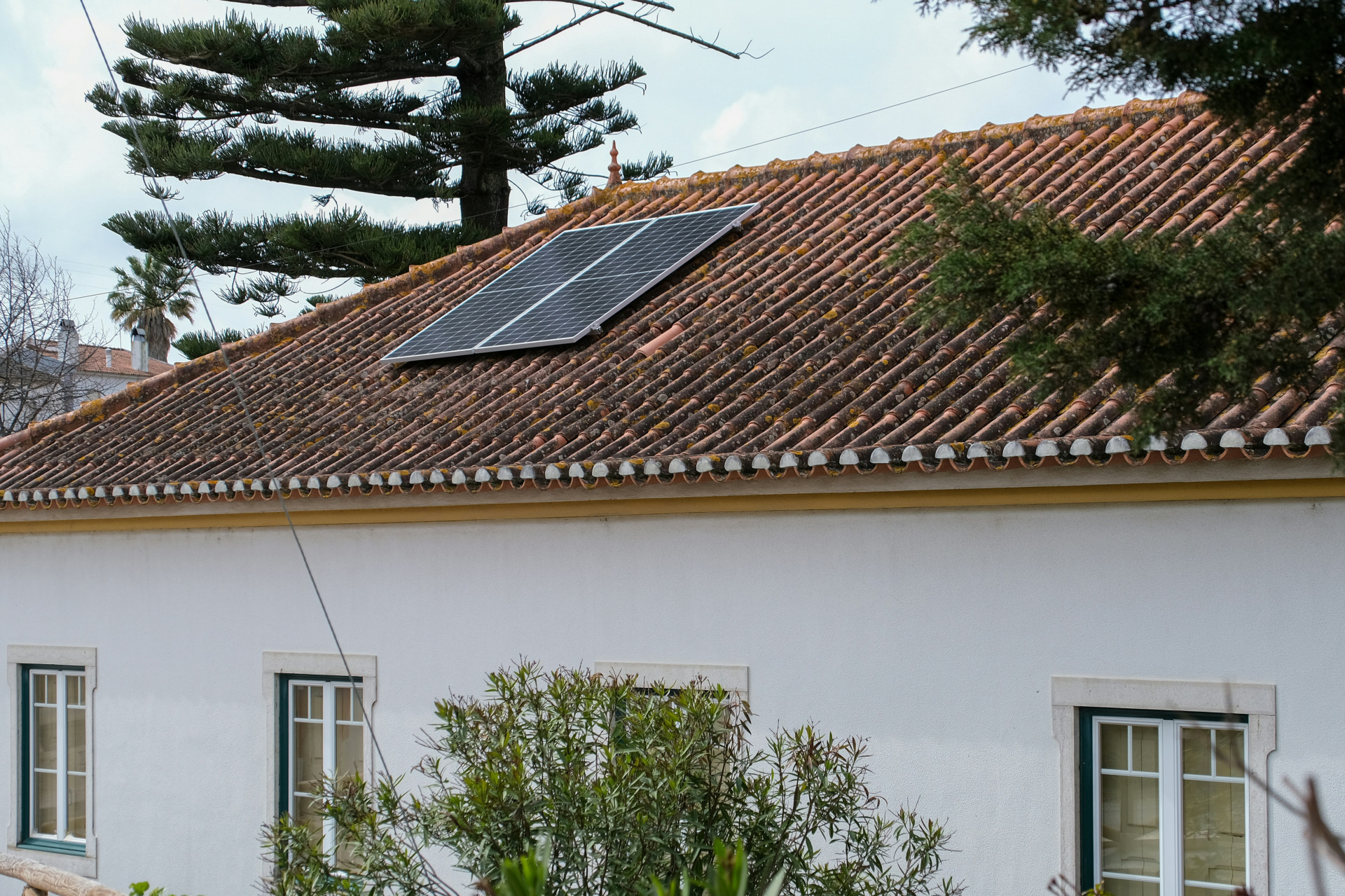
For decades, homeowners were passive energy consumers. Electricity came from the grid, heat from the furnace, and few gave much thought to where that energy originated. Today, the picture is changing. With rooftop solar panels, home battery systems, and smart thermostats, ordinary households can now produce, store, and even share their own energy.
This shift turns homeowners into active participants in the energy system. When the sun is shining, excess power can be sent back to the grid; when demand peaks, stored energy can be used at home. The result is a more flexible and sustainable system in which many small contributions add up to a significant impact.
Solar, Wind, and Geothermal – The Most Accessible Options
Across the United States, the most common renewable energy sources for homes are solar, wind, and geothermal power.
- Solar energy is the most accessible option for most homeowners. Solar panels can be installed on rooftops in both urban and rural areas, and the cost of installation has dropped dramatically over the past decade. Federal tax credits and state incentives make solar even more affordable.
- Small wind turbines can be a good fit for properties with open space and consistent wind, especially in rural or coastal regions. They require careful planning and local permits but can provide substantial energy savings.
- Geothermal systems use the stable temperature underground to heat and cool homes efficiently. Though installation costs are higher, the long‑term savings and environmental benefits are significant.
All of these technologies reduce dependence on fossil fuels and lower carbon emissions—but they also require planning, investment, and maintenance.
Energy Communities – Sharing Power with Neighbors
One of the most promising developments in the U.S. energy landscape is the rise of community energy projects, where multiple households share the benefits of renewable power. This could be a neighborhood solar array, a community wind project, or a shared battery storage system.
The advantage is clear: shared systems make renewable energy more affordable and accessible, especially for those who cannot install panels on their own roofs. They also strengthen local ties and create a sense of collective purpose. Many states now support community solar programs, and utilities are beginning to offer new ways for residents to participate.
Smart Homes and Intelligent Energy Management
Technology plays a central role in the clean energy transition. With smart home systems, homeowners can monitor and control their energy use in real time. Apps can show when electricity is cheapest, automatically adjust heating and cooling, or charge an electric vehicle when renewable energy is most abundant.
Intelligent energy management helps reduce waste and optimize consumption. It’s not only good for the planet—it’s good for the wallet. Many families find that investing in smart technology pays off quickly through lower utility bills and greater comfort.
A Shared Responsibility – and a Shared Benefit
While technology is essential, human behavior remains the key factor. The shift to clean energy in our homes isn’t just about installing new equipment—it’s about changing habits and thinking collectively. Small actions, like turning off unused lights, lowering the thermostat, or choosing energy‑efficient appliances, make a real difference when practiced widely.
Local governments, homeowner associations, and energy providers also play vital roles. They can support the transition through incentives, education, and community projects. In this way, the move toward new energy sources becomes a partnership between individuals and society.
The Home of the Future Is Green – and Connected
The home of the future is more than a place to live—it’s an active part of the energy network. It produces, stores, and shares power, working in harmony with others. This vision requires investment, innovation, and a willingness to take responsibility.
When homeowners, neighbors, and communities work together to embrace new energy sources, we don’t just lower our bills or reduce emissions. We build a more resilient, sustainable, and forward‑looking energy system—one that benefits us all.