Is It Worth Switching to New Light Sources? Here’s the Answer

Is It Worth Switching to New Light Sources? Here’s the Answer
Most of us rarely think about how much our lighting affects both our electricity bills and the environment. But as technology has advanced, far more energy-efficient alternatives have replaced old incandescent and halogen bulbs. The question is: Is it really worth switching—and how quickly will the investment pay off? Here’s the answer.
From Incandescent to LED – A Lighting Revolution
For decades, the incandescent bulb was the standard in American homes. It produced a warm, pleasant glow but was extremely inefficient—only about 10% of the energy it used became light, while the rest turned into heat. Halogen bulbs were a slight improvement, but still far from efficient.
Today, LED bulbs (Light Emitting Diodes) have become the new norm. They use up to 80–90% less electricity than incandescent bulbs and can last 10 to 20 times longer. That means you save energy and don’t have to replace bulbs nearly as often.
What Does It Cost—and What Do You Save?
An LED bulb typically costs between $2 and $8, depending on brightness and quality. That may seem pricey compared to a cheap incandescent bulb, but the difference quickly evens out.
Here’s an example: A 60-watt incandescent bulb that’s on for three hours a day uses about 66 kWh per year. A comparable LED bulb uses only about 10 kWh. With an average U.S. electricity rate of around 15 cents per kWh, that’s an annual savings of roughly $8 per bulb. Multiply that by the number of bulbs in your home, and the savings add up fast. In most cases, the LED pays for itself within a few months.
Light Quality and Ambiance – Is LED the Same as Before?
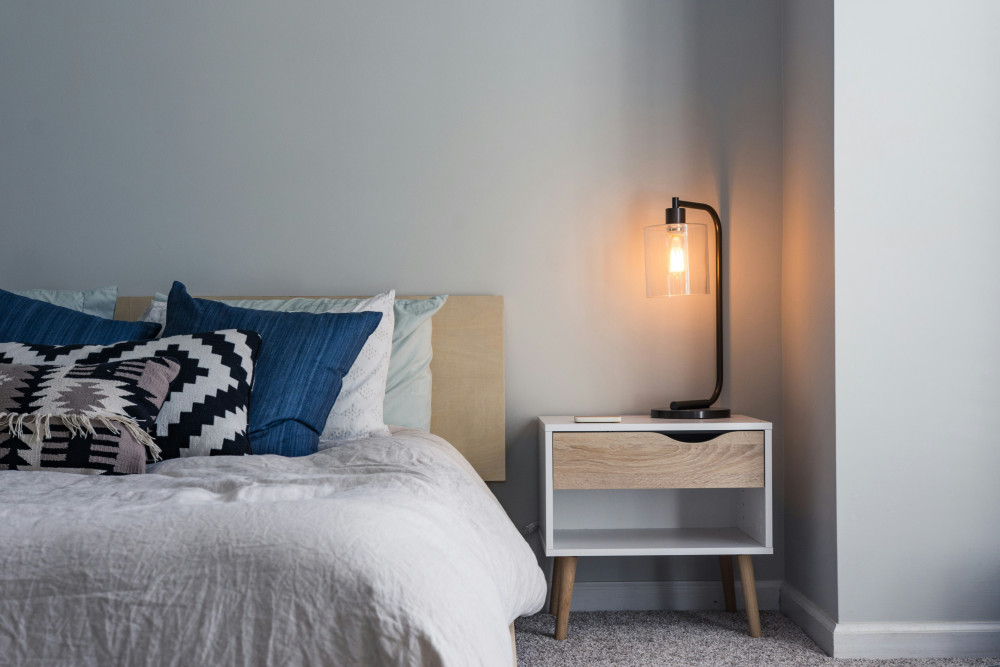
When LEDs first hit the market, many people found the light too harsh or cold. But that’s no longer the case. Modern LED bulbs come in a wide range of color temperatures—from warm white (around 2700 Kelvin) to cool daylight (5000 Kelvin). You can even find dimmable models and smart bulbs that change color or can be controlled via an app or voice assistant.
That means you can create exactly the atmosphere you want—cozy lighting in the living room or bright, clear light in the kitchen.
Environmental Benefits
Beyond the financial savings, there’s a clear environmental upside. Lower energy use means fewer carbon emissions, and the long lifespan of LEDs reduces waste. Unlike some older bulbs, LEDs contain no mercury and can often be recycled.
If you want to make your lighting even greener, consider pairing LEDs with motion sensors or timers so lights are only on when needed.
When Does It Make Sense to Switch?
If you still have incandescent or halogen bulbs in your home, the answer is simple: yes, it’s worth switching—both economically and environmentally. If you’re using compact fluorescent lamps (CFLs), you can wait until they burn out before replacing them with LEDs. CFLs are more efficient than incandescents, but LEDs still outperform them in both energy use and lifespan.
A good strategy is to start with the lights that are on the most—like those in the kitchen, living room, or hallway. That’s where you’ll notice the biggest difference on your electric bill.
The Future of Lighting Is Smart
The evolution doesn’t stop with LEDs. The latest smart lighting systems let you control brightness, color, and schedules through your smartphone or voice commands. You can automate lighting to match your daily routine, improving comfort while saving even more energy.
Conclusion: A Small Change with a Big Impact
Switching to LED lighting is one of the easiest and most effective ways to cut your energy use. You’ll save money, enjoy better light, and help the environment—all with minimal effort or expense.
So yes, it’s absolutely worth switching to new light sources. It’s a small change that makes a big difference—for your wallet and for the planet.