Balanced Furniture Mix – How to Create Harmonious Styles


Balanced Furniture Mix – How to Create Harmonious Styles
Blending different furniture styles can make your home feel personal, layered, and full of character – but it takes a thoughtful approach to make it work. Too many contrasts can feel chaotic, while too little variation can seem dull. The key lies in finding balance between modern and traditional, sleek and rustic, colorful and neutral. Here’s how to create a harmonious furniture mix that feels cohesive yet uniquely yours.
Start with a Foundation
Before mixing styles, define a foundation for your space. This could be a color palette, a material, or a mood you want to highlight. A neutral base – such as white or soft-toned walls, natural wood, or subtle textiles – provides calm and makes it easier to combine furniture from different eras.
Once your foundation is set, you can start adding contrast. A contemporary glass coffee table, for example, can pair beautifully with a vintage armchair if their colors and proportions complement each other.
Create Unity Through Repetition
A room filled with varied furniture can quickly feel cluttered if nothing ties it together. Repetition is a simple yet powerful way to create balance. Repeat colors, materials, or shapes throughout the space.
If you have a walnut dining table, echo that tone in picture frames, lamp bases, or decorative accents. This visual rhythm helps the room feel connected, even when the styles differ.
Play with Contrasts – Thoughtfully
Contrasts bring energy and personality to your décor. Think of the interplay between industrial and romantic, minimalist and bohemian, or mid-century and farmhouse. But to avoid visual chaos, choose your contrasts carefully.
A good rule of thumb is to let one element take the lead while others support it. If you have a bold retro sofa, keep the surrounding pieces more understated. This gives the eye a natural focal point and maintains a sense of calm.
Use Textiles and Lighting as Connectors
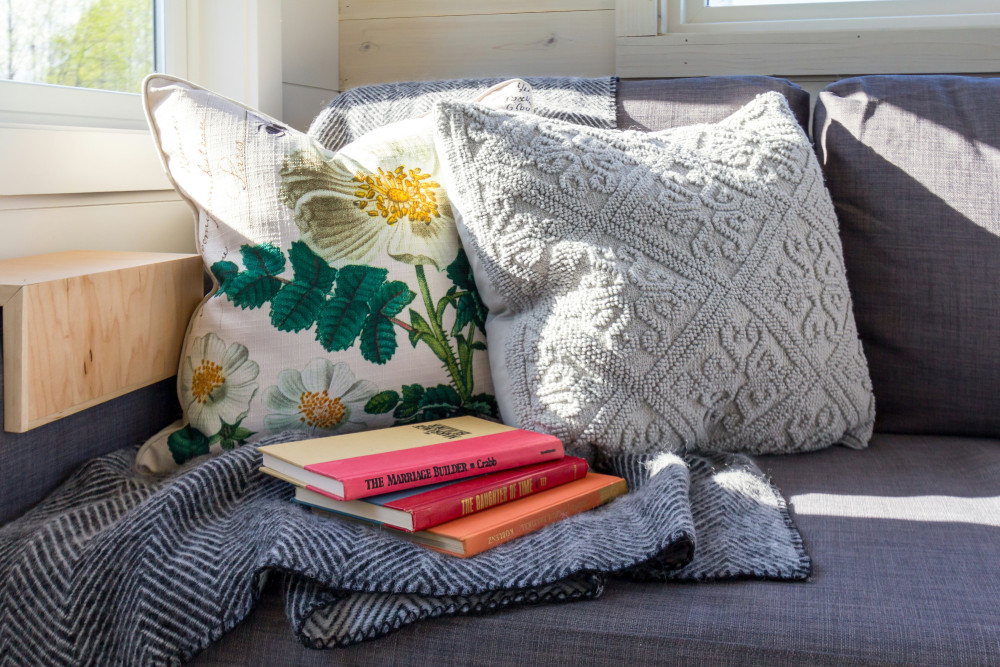
Rugs, pillows, curtains, and lighting can act as bridges between different styles. A large area rug can anchor a group of mismatched pieces, while a simple lamp can balance a rustic table and modern chairs.
Lighting, in particular, plays a crucial role. Warm, soft light can make sharp contrasts feel more inviting, while cooler light enhances a clean, modern look. Consider how your lighting choices affect the overall mood of the room.
Let Personality Shine Through
A harmonious home isn’t just about aesthetics – it’s about reflecting who you are. Personal items such as family heirlooms, travel finds, or artwork add soul and authenticity. It’s often the mix of personal and curated pieces that makes a home feel alive.
Don’t be afraid to let one piece stand out if it holds meaning for you. That unique item might be what gives your space its story and character.
Think in Wholes, Not Parts
When mixing furniture styles, step back and look at the room as a whole. Consider how colors, proportions, and materials interact. Ask yourself whether there’s balance between heavy and light, matte and glossy, warm and cool.
A helpful trick is to take photos of your space as you go. Seeing it through a lens can reveal where the composition feels off or where more cohesion is needed.
A Home That Evolves
A balanced furniture mix is rarely finished. It evolves over time as you discover new pieces, rearrange, and refine what works. That’s the beauty of mixing styles – it allows for growth and change.
When you dare to blend but keep balance in mind, you create a home that feels both harmonious and dynamic – a place where contrasts coexist peacefully and your personal style truly shines.