Automation That Makes Saving Energy Easier in Everyday Life

Automation That Makes Saving Energy Easier in Everyday Life
Saving energy is no longer just about remembering to turn off the lights or lower the thermostat. With modern technology, many of those small, everyday decisions can now be automated—making it easier and more efficient to reduce energy use. Home automation isn’t just for tech enthusiasts anymore; it’s becoming a practical solution for anyone who wants a more sustainable and convenient lifestyle.
Smart Systems That Think for You
The best energy savings often happen quietly—without you having to lift a finger. Smart thermostats, sensors, and control systems can automatically adjust to your habits and needs.
For example, a smart thermostat can detect when you’re home and lower the temperature when you’re away. Similarly, smart lighting can turn off when no one is in the room or adjust brightness based on natural daylight.
Over time, these systems learn how you use your home and optimize energy consumption accordingly. The result is lower energy bills—without sacrificing comfort.
Getting Started With Home Automation
If you’re ready to start automating energy savings at home, it’s smart to focus on the areas that use the most energy: heating and cooling, lighting, and appliances.
- Heating and Cooling: Replace old thermostats with smart models that can be controlled through an app or voice assistant. They can automatically adjust temperatures at night or when you’re not home.
- Lighting: Motion sensors and timers ensure lights are only on when needed. LED bulbs with dimming features also use less electricity and last longer.
- Appliances: Smart plugs can track how much power your devices use and completely shut them off when not in use—eliminating standby power that can quietly add up on your electric bill.
You don’t need to invest in a full “smart home” setup right away. Many devices can be added gradually and connected later as your system grows.
Data That Gives You Insight
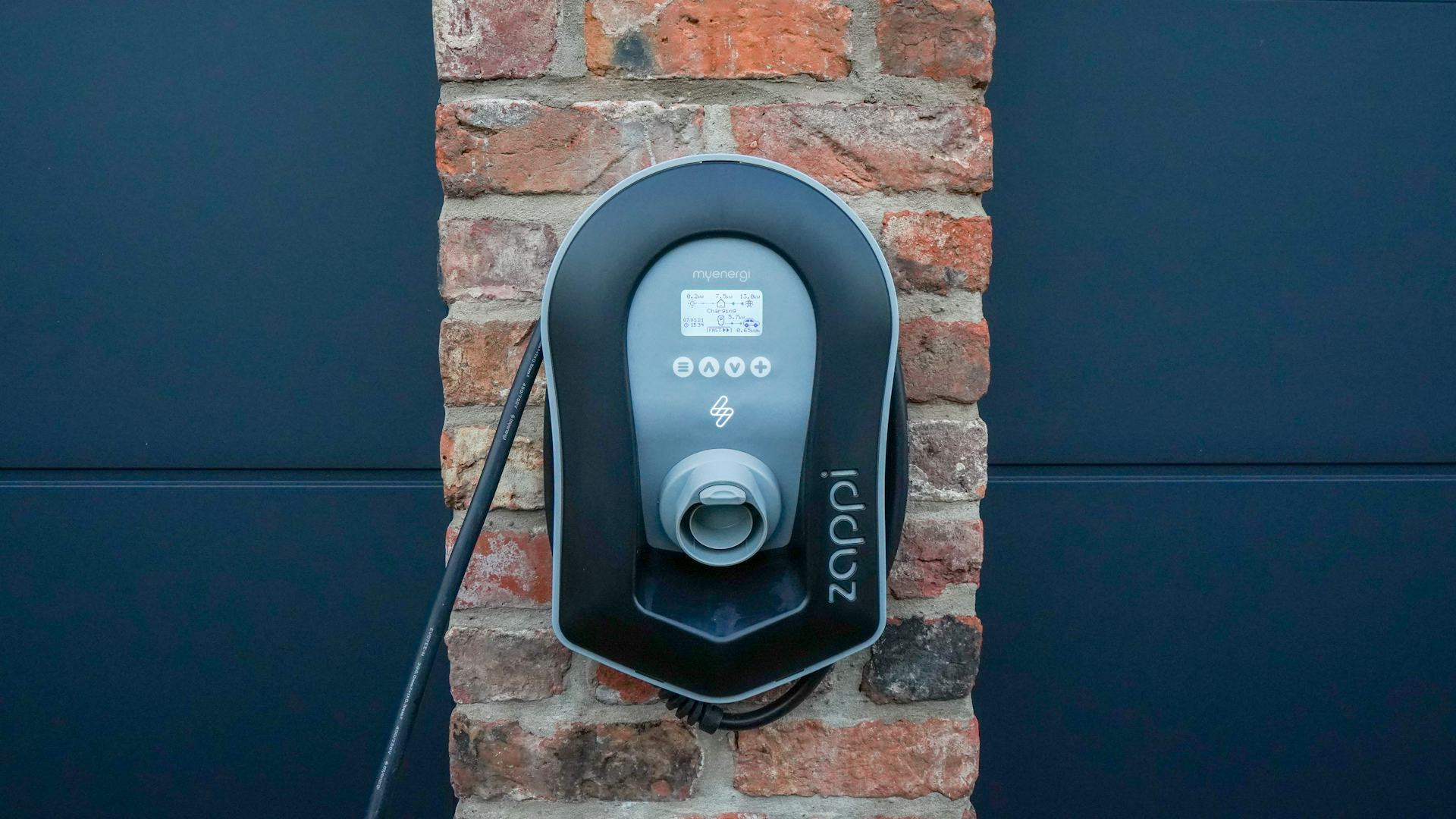
One of the biggest advantages of automation is the insight it provides. Many systems display real-time data—showing how much energy you’re using for heating, cooling, or specific appliances.
When you can see the numbers clearly, it becomes easier to understand where you can save the most. Some systems even offer personalized suggestions to help you reduce consumption further.
It’s not just about saving money—it’s also about becoming more aware of how your daily habits impact the environment.
Comfort and Sustainability Go Hand in Hand
A common misconception is that saving energy means giving up comfort. Automation proves the opposite: you can have a warm home when you wake up and a cool bedroom at night—without wasting energy.
These systems work quietly in the background, ensuring energy is used only when and where it’s needed. That means you can reduce your carbon footprint while enjoying a more comfortable home.
The Future of Self-Regulating Homes
Technology is advancing quickly, and the homes of the future will increasingly manage themselves. The combination of solar panels, battery storage, and intelligent control systems makes it possible to use electricity when it’s cheapest and most sustainable.
As these technologies become more affordable and accessible, automation will no longer be a luxury—it will be a natural part of modern energy management.
The goal isn’t to make everyday life more complicated, but to make it smarter, greener, and simpler.